
Livraison le jour même ou le lendemain

Qualité garantie

Débloquez vos offres de bienvenue: Livraison GRATUITE | Jusqu'à -80 % | 30 jours d'essai gratuits à JoyPlus
Téléchargez l'application
A good camping chair can be the difference between a great outdoor trip and a bad memory. Whether you're bivouacking, fishing, or just having a barbecue in the garden, comfort is a necessity, not a luxury. But the market is flooded with models making tempting promises, and it's easy to end up with a product that's unsuitable, uncomfortable, or gives up the ghost after just one season. To avoid these common pitfalls, here are the traps to watch out for.
The first trap is the race to be ultralight. A feather-light weight is often the number one marketing pitch, but it can hide a fragile frame or low-end materials that give out after just a few uses. The second pitfall is false versatility. A chair marketed as "perfect for everything" (hiking, the beach, the garden) is likely to be mediocre at all of them. Finally, be wary of materials that look tough but are poorly treated: a frame that rusts after the first downpour or fabric that tears under moderate tension are tell-tale signs of poor quality.
To make an informed decision and avoid buying blind, focus on a few key technical specifications. These are what make all the difference in terms of durability, comfort, and practicality for your future portable camping seat.
These two figures are inseparable. The chair's weight is obviously crucial if you're carrying it on your back, especially for a hiking chair. A model under one kilogram is a very serious contender. However, this light weight must be considered alongside the maximum static load capacity, which indicates the weight the chair can actually support without buckling.
The lifespan of your chair depends entirely on the quality of its components.
Don't be fooled by appearances. A folding camping chair should be judged by its dimensions when packed in its carry bag. A model designed to slip into a backpack must be ultra-compact (ideally less than 40?cm long), whereas an armchair transported in a car boot can afford to be bulkier. Also, consider the seat height when the chair is unfolded: a seat that's too low can quickly become a pain to get up from, especially for taller people or those with limited mobility.
To show how these criteria translate into real-world products, here are a few models we recommend, each suited to a specific type of user.
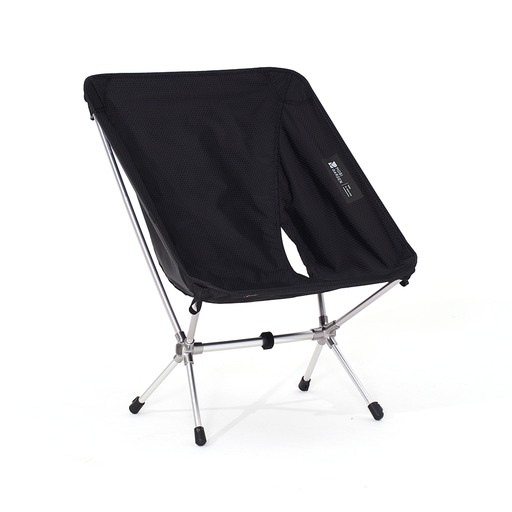
Why we chose it: Weighing in at just 765 g with packed dimensions of only 11 × 11 × 36 cm, it's tailor-made for those who count every gram in their backpack.
It avoids the fragility trap (often associated with feather-light models) thanks to its aerospace-grade aluminium alloy frame and ultra-stable triangulated structure, capable of supporting a static load of 140 kg.
Extreme portability without sacrificing durability. Its Oxford fabric offers impressive resistance to stretching and tearing.
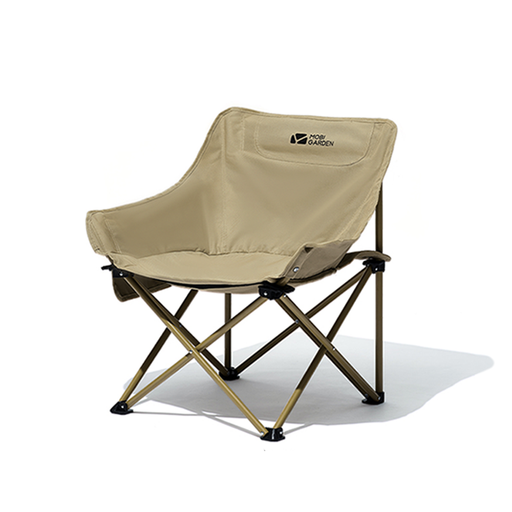
Why we chose it: This armchair goes all-in on comfort with its wide 64.5 cm seat and enveloping shape. Perfect for lounging at the campsite, while fishing, or during a picnic where transport is by car.
It doesn't pretend to be ultralight (2.35 kg) and owns it. Its focus is comfort and stability, with a thick carbon steel frame and padded Oxford fabric. It thus avoids the "jack-of-all-trades, master-of-none" trap.
Its X-frame structure unfolds in a flash. The sturdy frame is anti-corrosion treated, and the side storage pocket is a real bonus.
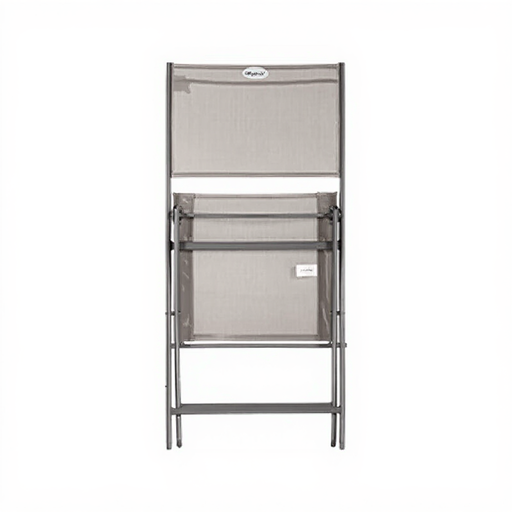
Why we chose it: This is the perfect backup seat for the balcony, patio, or a one-off event. Its classic design and simple folding mechanism make it an easy-to-store solution for occasional outdoor use.
It isn't marketed as a technical camping chair. It's an "honest" outdoor chair that focuses on durability for its intended use: an epoxy-treated steel frame and a Textilene seat that resists weather and wipes clean with a sponge.
Easy to maintain and store. Its epoxy-treated frame offers good protection against rust for moderate outdoor use.
We have curated a full range of products that meet our strict selection criteria and current safety standards.
It all depends on three factors: the quality of the materials, frequency of use, and maintenance. A well-designed model (quality treated steel or aluminium frame, thick Oxford fabric), if cleaned and stored in a dry place, can last for many years. Conversely, entry-level models often show signs of wear after the first or second season of heavy use.
It's very simple. After each trip, wipe down the frame and fabric with a damp cloth to remove dust, mud, or sand. Avoid harsh detergents. Most importantly: let the chair dry completely in the open air (but out of direct sunlight) before packing it away in its bag. Store it in a dry place to prevent mould and rust.
Stability doesn't just depend on weight. A well-designed ultralight camping chair uses smart frame geometry (like a triangulated structure) to distribute weight optimally and ensure excellent stability. However, the golden rule is to always set it up on flat, stable ground. On uneven or sloping terrain, even the sturdiest armchair can become wobbly.