
Livraison le jour même ou le lendemain

Qualité garantie

Débloquez vos offres de bienvenue: Livraison GRATUITE | Jusqu'à -80 % | 30 jours d'essai gratuits à JoyPlus
Téléchargez l'application
Whether you're an aspiring content creator, a passionate photographer, or simply looking to capture flawless family photos, a good tripod is an essential accessory. The problem? The market is saturated with models making tempting promises that, once unboxed, often lead to disappointment. Yet, choosing the right camera and smartphone tripod shouldn't be a headache. This guide is here to help you avoid the common pitfalls and focus on the criteria that truly matter to make the right choice.
The excitement of a new purchase can quickly turn to frustration if the product doesn't live up to expectations. Here are the most common mistakes (and how to avoid them).
To avoid these disappointments, simply focus on a few key characteristics. They are the true guarantee of your future tripod's performance and longevity.
The ideal tripod offers the right balance between its maximum extended height and its folded size. A travel tripod must be compact (often under 50?cm), whereas a studio model will prioritise height and robustness. Be sure to check the minimum and maximum height to ensure it meets your needs (low-angle shots, framing over a crowd, etc.).
The material is another key indicator of stability. An aluminum alloy offers an excellent strength-to-weight ratio for most amateur and semi-professional photographers. It's heavier than carbon fibre, but its price is also far more accessible.
This is the weight the tripod can safely support. Never overlook this information: it is crucial. To estimate your needs, add up the weight of your heaviest camera body and your largest lens. Always allow for a comfortable safety margin of at least 1.5 to 2?times this total weight. A tripod pushed to its limits will inevitably be less stable. While a smartphone weighs a few hundred grams, a DSLR with a telephoto lens can easily exceed 2?kg.
Most cameras use a standard 1/4-inch screw. The ideal setup is a quick-release plate system (Arca-Swiss or proprietary type), which allows you to attach and detach the camera in seconds. For smartphones, a quality smartphone tripod mount with sturdy jaws and a protective lining is simply indispensable.
There are two main types of tripod heads:
Rather than an endless list, we've selected a few perfectly targeted options for specific needs, based on our criteria for quality and relevance.
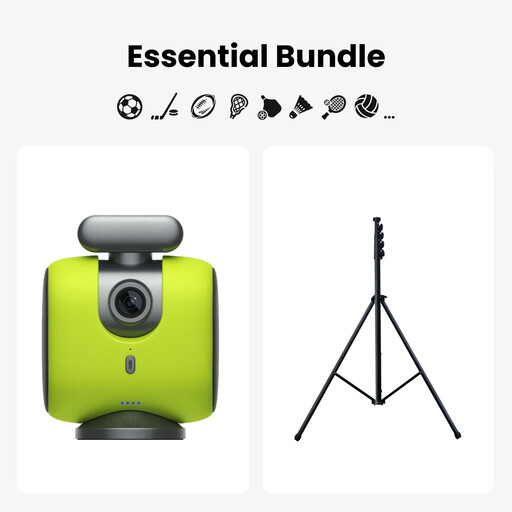
Why we chose it: To film a soccer or basketball game from the sidelines, you need height and stability. This bundle combines an extra-tall tripod (nearly 4 meters) with an AI-tracking camera, allowing you to capture the action automatically without having to stay behind the lens.
It bypasses the incompatibility trap by offering a complete system. The tripod is specifically designed to provide the height and stability needed for this type of filming, a far cry from flimsy, lightweight tripods.
Automatic AI tracking for team sports and live streaming. The 4-meter tripod ensures an optimal viewpoint over the field.
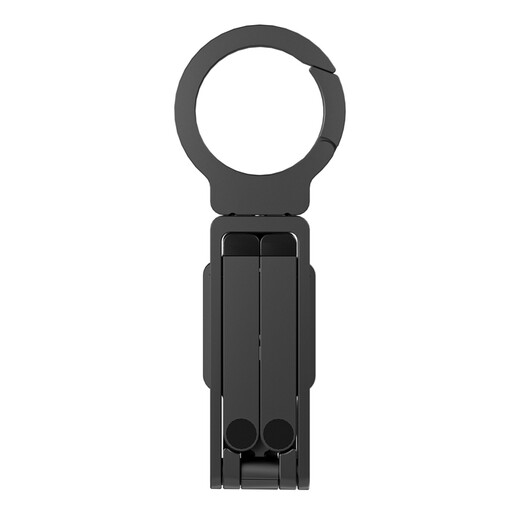
Why we chose it: For vlogging or creating content on a smartphone, speed and portability are king. This mini tripod uses a MagSafe-compatible magnetic mount for instant setup. Its foldable aluminum design makes it an excellent travel tripod that slips right into a pocket.
It solves the incompatibility trap for recent iPhone users with its MagSafe mount. Its aluminum construction is robust for its compact size, avoiding the flimsy plastic pitfall.
Ultra-fast magnetic attachment and a foldable aluminum design. It serves as both a tabletop tripod and a mini selfie stick.
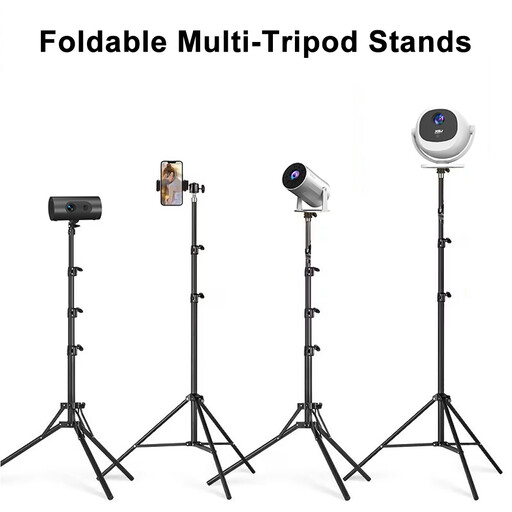
Why we chose it: Ideal for those who need a single tripod for multiple uses: home theatre with a projector, photography with a DSLR, or live streaming with a smartphone. Its wide adjustable height range (from 60 to 160 cm) and 360° head offer great flexibility.
Its aluminum alloy frame and triangular support structure give it good stability, avoiding the wobbly, lightweight tripod trap. It comes with the necessary adapters, which prevents compatibility issues.
Extreme versatility thanks to its adjustable height and compatibility with multiple devices (projector, camera, smartphone).
Explore our full selection of tripods that all meet our criteria for quality, stability, and durability.
The ball head is designed for speed: a single knob unlocks everything, allowing you to reframe freely. It's the go-to choice for fast-paced photography and vlogging. In contrast, the 3-way head has independent controls for each axis (horizontal, vertical, and lateral). While slower to operate, it offers much more precise control, which is ideal for video, macro photography, or architectural photography.
Yes, absolutely. For the vast majority of amateur and semi-professional photographers, a well-made aluminum alloy tripod is more than sufficient. Stability depends less on the material itself and more on the overall build quality: the diameter of the leg sections, the strength of the locking mechanisms, and the design of the centre column are just as important. Carbon fibre is certainly lighter and better at absorbing vibrations, but its cost is also significantly higher.
You just need a smartphone tripod mount. It's a simple clamp that holds your phone and has the standard 1/4-inch screw thread on its base. This allows you to screw it onto any tripod's plate, like the ULANZI ST-06S, which also offers cold shoe mounts for adding a microphone or a small LED light.