
Livraison le jour même ou le lendemain

Qualité garantie

Débloquez vos offres de bienvenue: Livraison GRATUITE | Jusqu'à -80 % | 30 jours d'essai gratuits à JoyPlus
Téléchargez l'application
The resurgence of analogue photography is no accident. The distinctive grain, the depth of colour, and the care taken with each shot offer an experience that digital struggles to replicate. But for beginners, the journey can seem intimidating. Choosing the right camera film is the first decisive step, and it's easy to fall into costly pitfalls that lead to ruined photos. As Joybuy's photography expert, my mission is to help you see clearly, cutting through the marketing jargon.
Before you grab the first box you see, watch out for these two common traps that can cost you dearly in time and missed shots.
To avoid these disappointments, you just need to understand a few basic concepts. Here are the three things to check before buying your analogue photography gear.
ISO Sensitivity: Your Ally in Light. ISO measures the film's sensitivity to light. It's simple: the lower the number (100, 200), the more light is needed to expose the image correctly.
Format: 35mm, the Near-Universal Standard. For the vast majority of second-hand or new analogue cameras, the required format is 35mm film (also called "135"). It's the most common format, the easiest to find, and the simplest to get developed. Unless you own a medium format camera (which uses 120 film), 35mm is the default choice.
Colour or Black & White: A Matter of Style. This choice depends entirely on the aesthetic you're aiming for.
To get you started, here is a selection designed for different needs, based on the criteria we've just covered.
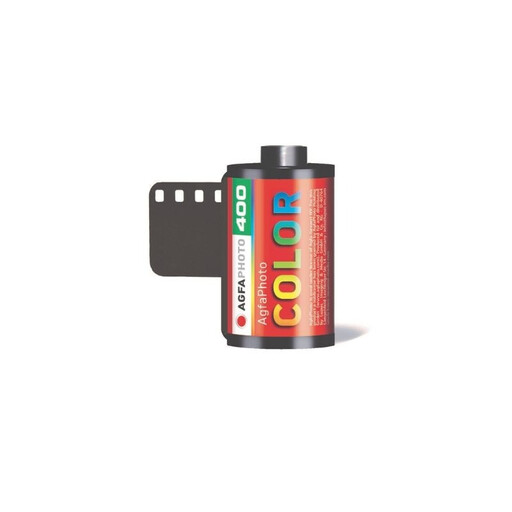
Why it's a great choice: Ideal for experimenting without breaking the bank. This film is perfect for capturing daily life, holidays, or outings with friends, delivering vibrant colour rendition and a subtle grain.
With its 400 ISO sensitivity, it forgives minor exposure mistakes in changing light conditions. No more getting stuck with a 100 ISO film that's unusable as soon as the sun disappears!
Unbeatable versatility on a budget. Compatible with all 35mm cameras and easy-to-find C-41 processing everywhere.
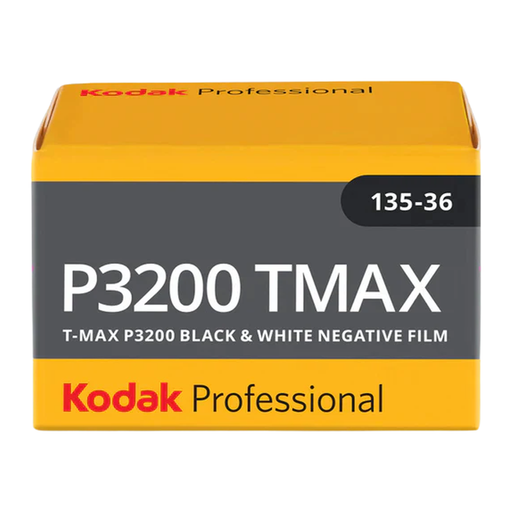
Why it's a great choice: For photographers seeking a classic, refined black and white look. Ideal for portraits, architecture, or landscapes where contrast and texture are paramount.
Unlike a colour film that's simply desaturated in post-processing, this film offers a true richness of grey tones and an authentic fine grain. This helps you avoid the disappointment of a "fake" digital black and white.
Remarkably fine grain for a 200 ISO sensitivity. It ensures exceptional sharpness and detail, with a wide tonal range for deep blacks and brilliant whites.
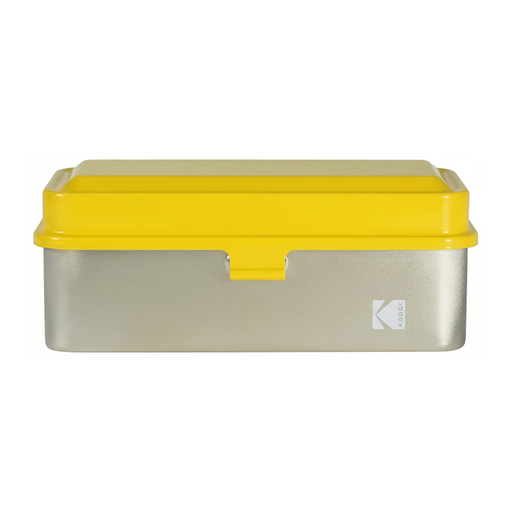
Why it's a great choice: For the on-the-go photographer or anyone who stocks multiple rolls. This accessory protects your precious film and ensures every roll is in perfect condition when it's time to shoot.
This film storage case is the direct answer to the poor storage trap. It protects your film from dust, moisture, and minor impacts, thereby preserving its quality.
Robust steel construction. Can hold up to 10 rolls of 35mm film. Its design, inspired by a vintage camera accessory, is as practical as it is stylish.
We have curated a complete range of products that meet our standards for quality and reliability.
1. What's the best way to store my camera film? For short-term storage (a few months), a cool, dry place away from direct sunlight is sufficient. For long-term storage (more than six months), the refrigerator is an excellent option. Be sure to place the film in an airtight bag to protect it from moisture and let it return to room temperature for a few hours before using it.
2. What is the best film for starting out in analogue photography? A 400 ISO colour film is an excellent starting point. Its versatility will allow you to shoot in many conditions without worrying too much about settings, which is perfect for getting familiar with your camera.
3. Do airport X-ray scanners damage film? Yes, the risk is very real. The scanners for checked luggage are very powerful and can "fog" (overexpose) your film. The scanners for carry-on luggage are less aggressive, but repeated passes can have a cumulative effect, especially on high-speed films (800 ISO and above). Our advice: always keep your film in your carry-on luggage and request a manual hand inspection at the security checkpoint. A dedicated storage case makes this process much easier.