Team snack organisers
If you’re serving runners, supporters or volunteers, count the portions you’ll need rather than relying on the pack’s total weight. St Michel, for example, offers a pack of 18 individual sachets and an assortment of 60 snacks.


For a team snack before or after a marathon, choose your cake format according to the number of people, how easy it is to hand out and the ingredients in each recipe. If you’re planning to eat during the race, don’t confuse a large sharing pack with individual race fuel: compare the nutritional information per serving and try the foods you’re considering during training.
If you’re serving runners, supporters or volunteers, count the portions you’ll need rather than relying on the pack’s total weight. St Michel, for example, offers a pack of 18 individual sachets and an assortment of 60 snacks.
If you’re thinking of eating during the race, distinguish between cakes for sharing and food you can carry and eat individually. Check the carbohydrates per serving and the other nutritional values for the product you choose.
If a group will be sharing several recipes, check the label on each one before handing them out. Ingredients and allergen information can vary within the same assortment.
Choose these: when serving several people before the start or after the finish.
Bear in mind: a large pack isn’t always easy to divide into separate portions.
Consider this: if you’re looking for something to take with you during exercise rather than a snack for a group.
Limitation: its format may not suit serving a group; try any change to your race fuel during training.
| Criteria | What to check | Who is this for? |
|---|---|---|
| Eating during the race | Carbohydrates and fibre per serving; a format you can carry and try during training. | If I plan to eat during the marathon, I want to keep my race fuel separate from the snack planned for the group. Around 45% of consumers would make this their priority. |
| Sharing portions | Net weight, number of units and whether there are individual sachets. | To serve the team without opening and dividing up each pack on the spot, I need to know how many portions it contains. This would be the priority for around 33% of consumers. |
| Ingredients | Ingredients and allergens in each recipe; nutritional values per 100 g to compare products. | When sharing snacks, I need to be able to identify exactly what each product contains. Around 22% of consumers would prioritise this check. |
This describes the pack size, not how the product fits into your race-day nutrition.
Save large packs for sharing if that’s what they’re intended for. For exercise, look separately at the serving size, nutritional information and how easy it is to carry, then try your choice during training.
Ingredients and allergens can vary from one recipe to another in an assortment. The French Directorate-General for Competition Policy, Consumer Affairs and Fraud Control reminds shoppers that allergenic ingredients must be highlighted on food labels.
Keep the packaging nearby and easy to read, and check the exact product if someone has a dietary restriction.
A high total weight doesn’t tell you how many portions are easy to hand out to participants.
If everyone needs to leave with an individual item, check how many sealed sachets there are. For a fixed snack table, plan how you’ll serve the pack while keeping its label accessible.
Formats worth considering when you need to divide snacks among participants.
A brand to consider for a snack to share, including the 300 g Mikado milk chocolate Family pack listed by Carrefour.
Own-brand products with recipes and formats you can compare individually.
A retailer to check for cakes and pastries available through your chosen Drive service.
A retailer to consider if you’re comparing own-brand products in store.
These products cover two different uses: biscuits and cakes to share around the race, and an energy bar to consider separately for individual race fuelling. Choose according to how you plan to use them, without treating their formats or recipes as interchangeable.
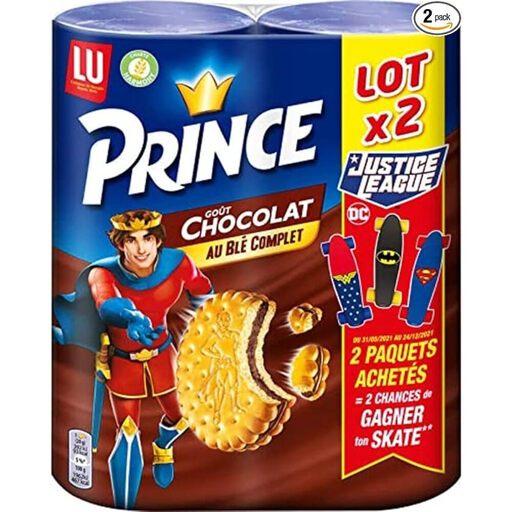 Image unavailable
For a group snack, this pack gives you two separate packets to bring along.
Check how many biscuits there are and whether they’re individually wrapped if you need to give everyone a portion.
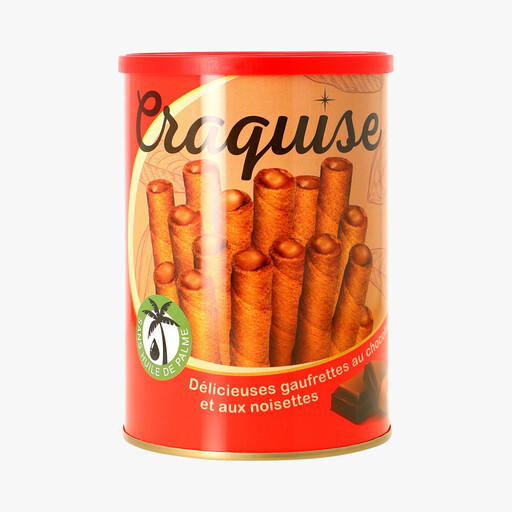 Image unavailable
This tin could be a good option for serving wafers from a sharing table.
If you’re planning individual portions, check how many pieces there are and how they’re packaged. Check the label for this recipe if you need to take allergens into account.
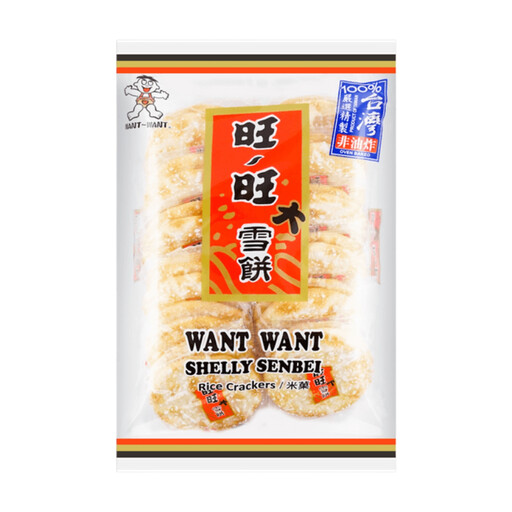 Image unavailable
The 12 sachets listed give you a clear number of items to plan for when handing them out.
The pack weighs 150 g in total, so bear this in mind if you’re catering for a large group. Check the weight of each item if portion size matters.
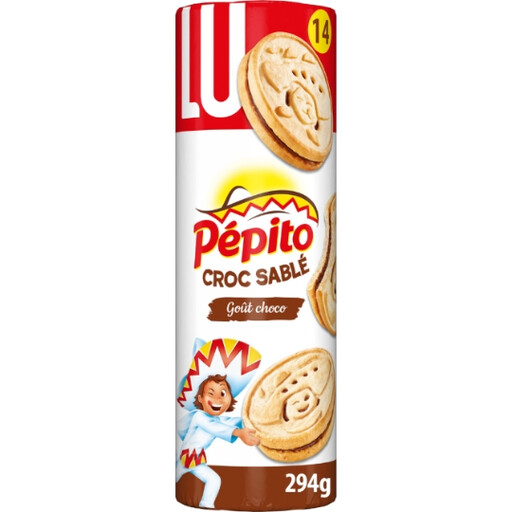 Image unavailable
This pack of filled biscuits could be a good choice for a group snack around the race.
If you need to prepare portions in advance, check how many biscuits there are and how they’re packaged. Read the ingredients for this product before sharing it with anyone who needs to avoid certain allergens.
 Image unavailable
This energy bar is worth considering for individual use during exercise, separate from cakes intended for a group snack.
Compare the nutritional information per bar, particularly the carbohydrates and fibre, and check the ingredients. If you plan to take it with you on a run, try it during training first.
No. A large pack is primarily about having enough to share. The Australian Institute of Sport describes sports bars as a convenient source of carbohydrates around exercise. However, you should still check the ingredients and serving size of the product you’re considering, and try it during training.
Compare their nutritional values per 100 g, then check the net weight and number of items if you’re organising a group snack. The French Directorate-General for Competition Policy, Consumer Affairs and Fraud Control says that showing nutritional information per 100 g makes it easier to compare products.
Yes, because ingredients can vary from one recipe to another. For pre-packed food, the French Directorate-General for Competition Policy, Consumer Affairs and Fraud Control reminds shoppers that allergenic ingredients must be highlighted. Keep the labels for the exact products accessible to anyone helping themselves.
Start with the number of people you need to serve and count the available units, rather than looking only at the total weight. For example, St Michel’s 18-sachet Tam Tam pack and 60-snack assortment give you two different unit counts. For the assortment, also check the ingredients in each recipe.