Groups travelling by car or train
If several people will be helping themselves during the journey, individually wrapped portions or inner bags make it easy to hand out cakes without having to slice one.


If you’re handing out cakes on a journey, choose individually wrapped portions if everyone will be eating at different times, or packs of individually wrapped bags if you want to open the pack gradually. A cake that needs slicing is better suited to a stop where you can serve it. Before buying, compare the number of pieces, net weight and actual packaging: ‘family size’ alone doesn’t tell you what to expect.
If several people will be helping themselves during the journey, individually wrapped portions or inner bags make it easy to hand out cakes without having to slice one.
The number of pieces and the net weight help you choose an amount that suits the group and length of the journey, rather than judging by the apparent size of the box.
Before sharing, check the ingredients and any ‘may contain’ information on the label of the product you’re buying. An assortment may include several different recipes.
Your choice of packaging mainly depends on when people will eat: on the move, a little at a time, or during a stop when you can serve a cake.
Choose these: when everyone needs to be able to take a cake in turn without opening the other portions.
Bear in mind: you’ll have more packaging to take away after your stop.
Choose these: if the group wants to open only part of its supply; the 520 g St Michel Galettes come in 16 bags of five.
Bear in mind: each bag contains several biscuits, unlike a portion wrapped individually.
Choose this: for a sit-down break, when you have a surface and something to serve it with.
Bear in mind: you’ll need to slice it on the spot, so it’s less convenient to hand out while travelling.
| Criteria | What to check before buying | Who is this for? |
|---|---|---|
| Serving portions | The number of individually wrapped pieces or inner bags, and the number of cakes in each bag. | If everyone eats at their own pace, I want to hand out portions without opening the whole pack; around 40% of consumers prioritise this type of packaging. |
| Quantity and variety | The number of pieces, the net weight and, for an assortment, the recipes included. | For a large group, I want enough cakes or several recipes to offer; quantity and variety come first for around 30% of consumers. |
| How much you’ll actually need | The net weight and the number of portions the group expects to eat, to avoid buying a pack that’s too large. | I’d rather choose a pack to suit the length of the journey than bring home a large surplus; around 20% of consumers prioritise getting the amount right. |
| Ingredients and storage | Allergens and possible traces, the date shown on the product and its storage instructions. | If someone in the group needs to avoid an ingredient, I check the exact product before sharing; these considerations are a priority for around 10% of consumers. |
A box might contain individually wrapped pieces, bags of several biscuits or a product that needs slicing. How you serve it depends on the packaging.
Check the number of pieces and look for clear information about individual wrappers or inner bags.
A cake’s name won’t tell you all its ingredients or whether any traces are listed.
Ask the group about any dietary requirements and read the label on the product you’re buying, including any ‘may contain’ statements.
A product you’ve spotted for your journey may not be available at your chosen shop or collection time.
Check availability when you order, and have another suitable format in mind for your group.
St Michel offers a family assortment of 60 goûters, as well as 520 g packs of butter Galettes divided into 16 bags of five.
LU offers biscuits; check the packaging of each product you’re considering for your journey.
Carrefour offers Savane Pocket cakes in packs of seven, with each cake weighing 27 g.
E.Leclerc lists, among other products, P’TIT DELI soft cocoa cakes in a 420 g pack of ten.
Auchan offers 500 g packs of speculoos biscuits, divided into two bags of 30 biscuits.
Lidl has offered a 255 g Sondey Family cookie mix assortment.
This selection includes biscuits and cakes in multi-portion packs, as well as an assortment to share during a break. Compare the packaging: a pack containing several pieces or bags doesn’t necessarily mean each cake is individually wrapped.
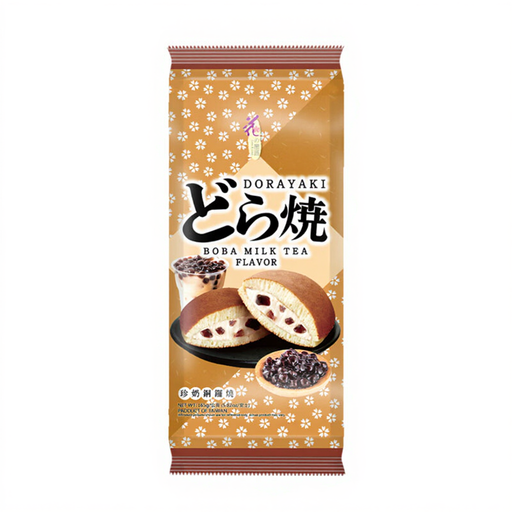 Image unavailable
The bags can be shared among travellers or opened as you go. The stated pack size is 12 × 165 g, with three cakes per bag; if everyone needs an individually wrapped cake, check the inner packaging.
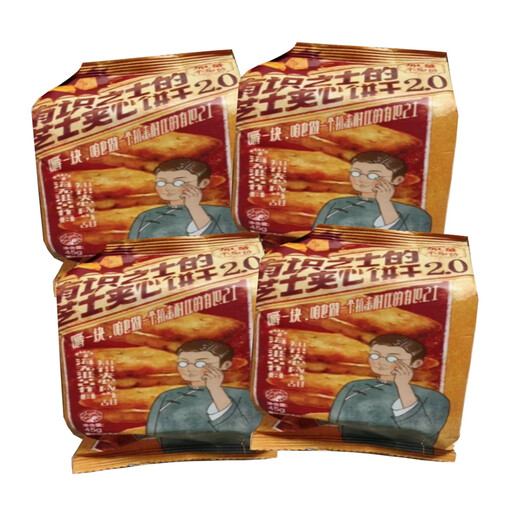 Image unavailable
Four 45 g bags make it easy to share the pack among several travellers. If you need one portion per person, check how many biscuits are in each bag.
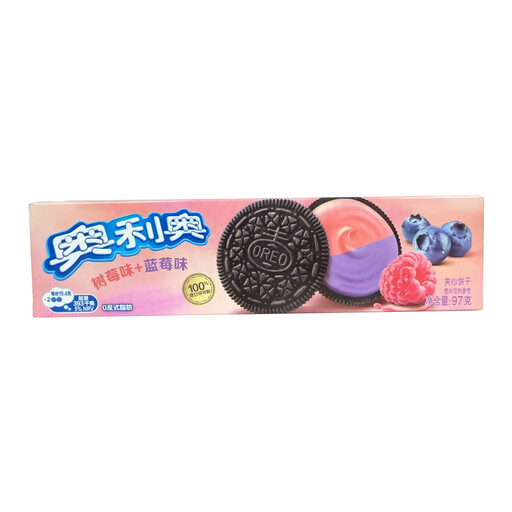 Image unavailable
The two bags are handy for sharing a small amount during the journey. The pack weighs 97 g, so if you’re travelling with a larger group, compare this with the number of portions you’ll need.
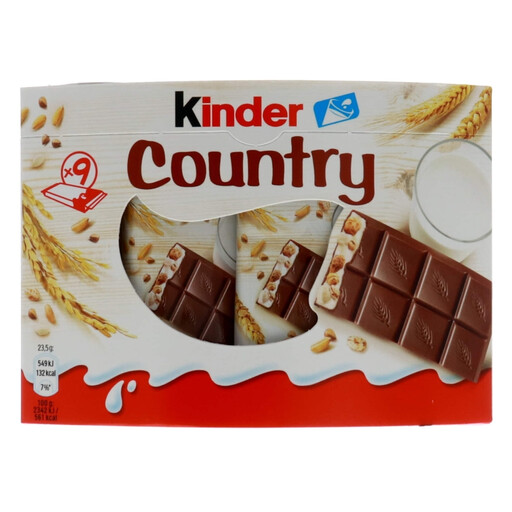 Image unavailable
The pack of nine bars makes it easy to plan how many pieces to share. It weighs 211,5 g; check the packaging if each bar needs to be handed out in its own wrapper.
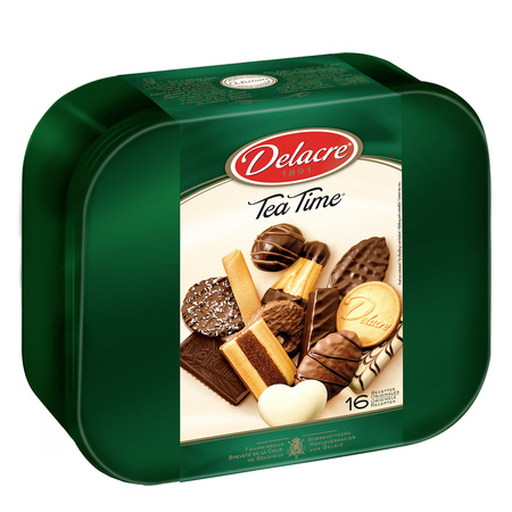 Image unavailable
This 500 g assortment could be a good choice for sharing during a break. Before choosing it for handing out on the move, check how many biscuits it contains and whether there are any inner bags.
Individually wrapped portions are a good choice if travellers will be eating at different times; multi-packs let you open your supply gradually. Save a cake that needs slicing for a break when you’ll have what you need to serve it.
Compare their net weight, number of pieces and how the bags are arranged before choosing. For example, St Michel offers an assortment of 60 goûters and 520 g Galettes divided into 16 bags of five: these two formats aren’t shared in the same way.
In France, allergenic ingredients in pre-packed foods must be highlighted in the ingredients list, according to the DGCCRF. Also check the label of the product you plan to share for any statements about possible traces.
No. According to the European Food Safety Authority, a best-before date relates to product quality, whereas a use-by date relates to safety. Check which date appears on the packaging and follow the storage instructions.
Not necessarily: check it’s available at your chosen shop or collection time before relying on it. When checked, Carrefour listed a family-size St Michel product as unavailable.