A team with staggered breaks
When colleagues don’t all take a break at the same time, ready-to-eat individual portions mean there’s no need to organise a shared cake-cutting. St Michel Petites Madeleines are a good example of this kind of treat.


For a break with no preparation, choose individual portions in packaging that suits the number of colleagues. A cake to slice is better for sharing with a small group, while fresh bakery treats require you to plan the portions, serving and storage. In every case, check the allergens for the product you choose.
When colleagues don’t all take a break at the same time, ready-to-eat individual portions mean there’s no need to organise a shared cake-cutting. St Michel Petites Madeleines are a good example of this kind of treat.
If a few colleagues can share a cake at work, a regional speciality or a larger cake can make the break feel different. Carrefour, for example, lists a 400 g Reflets de France kouign-amann in a baking tin; St Michel also presents its giant madeleines as a treat to share.
For a meeting with a confirmed headcount, the number of portions and serving arrangements matter more than ease of transport. Auchan Le Traiteur, for example, lists celebration cakes for 24 or 48 people. You’ll still need to confirm ordering and storage arrangements for the product you choose.
Start by thinking about when your colleagues will eat the cake and how you’ll serve it. Then check the quantity and the details for the specific recipe you’ve chosen: the word “luxury” alone doesn’t tell you its format or ingredients.
| What to consider | What to check | Who is it for? |
|---|---|---|
| Serving without slicing | The number of pieces and how they’re packaged, rather than the pack’s weight alone. | When breaks are short or staggered, I want to offer a portion without setting up a shared serving area. Around 40% of consumers might make this convenience their priority. |
| Cake to share | The size of the cake, how many portions you’ll need and what you’ll need to serve it. | For a small get-together, I’d rather bring a cake we can slice together, even if it takes a little organising. Sharing would be the priority for around 30% of consumers. |
| Planned meeting | The stated number of portions, allergens, serving date and storage instructions. | If I know how many people will be at a meeting, I need to make sure there’s enough dessert and take account of any dietary requirements colleagues have mentioned. Around 30% of consumers might prioritise this kind of planning. |
A claim highlighted on the packaging doesn’t tell you about every ingredient. The Reflets de France kouign-amann listed by Carrefour contains wheat and dairy ingredients, among other things; other allergens may also be listed for this product.
Before buying for a group, read the allergen information for the specific product and check whether any colleagues have known dietary restrictions.
A 500 g bag of madeleines or a 400 g cake doesn’t tell you on its own how many people it will serve. For a meeting, a clear indication of the number of portions makes it easier to plan quantities.
Count the people expected and check the number of pieces or portions before choosing a size.
A whole cake also means planning how to cut and serve it, as well as what to do with any leftovers.
A product listing you can view doesn’t guarantee that the cake you want will be available at the right location and on the date you need it.
For a made-to-order or fresh dessert, check local availability, the lead time for ordering and collection arrangements before you plan to serve it.
These examples give you an idea of the different formats available. Your choice will always depend on the specific product, its ingredients and how you plan to serve it.
Madeleines for an easy break or to share, depending on the format you choose.
Biscuits, including the Petit Écolier range, to consider for a coffee break.
An option for serving a regional speciality to a small group.
Cake formats to consider for a group dessert planned in advance.
These products are mainly mini tarts for a sweet break, plus a Daim cake to consider for sharing if you plan ahead. Check the number of pieces or portions against your team size, and check the allergens before serving your colleagues.
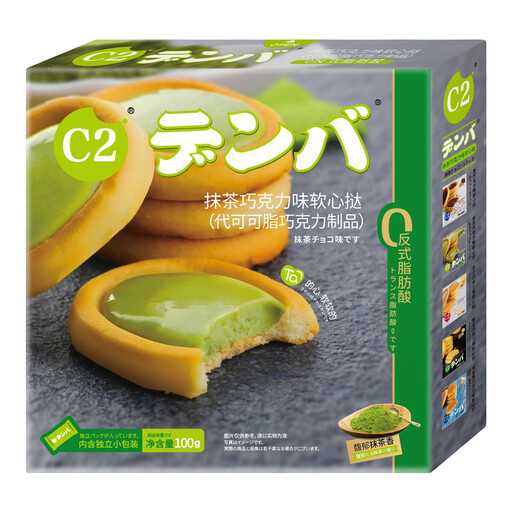 Image unavailable
For a break with a matcha and chocolate flavour, check how many tarts are in the 100 g box before working out how many you’ll need for the team.
Check the allergens and any colourings information on the packaging, especially if children might eat them.
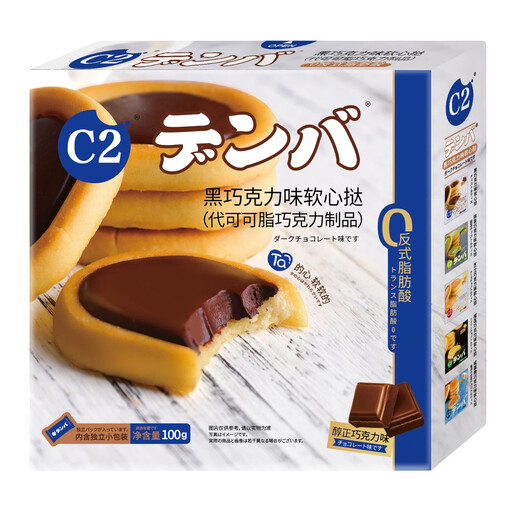 Image unavailable
For a chocolatey break without a whole cake to slice, check how many tarts are in the 100 g box and how they’re packaged. A box that’s easy to carry doesn’t necessarily mean each tart is individually wrapped.
Check the allergens for this product before serving it to a group.
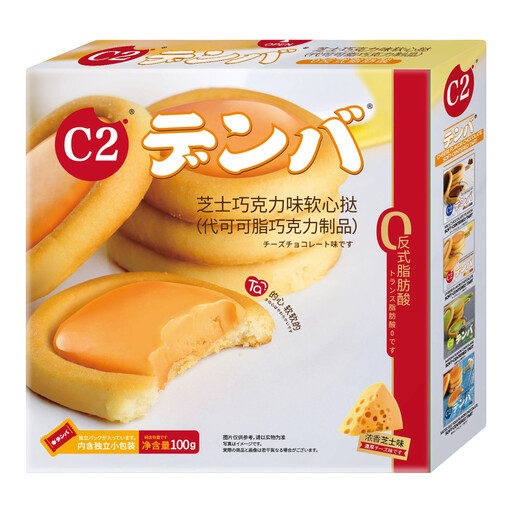 Image unavailable
If the cheese and chocolate combination suits your group, check how many pieces are in this 100 g box so you can plan how to share them.
Read the allergen and colourings information on the packaging, especially if children might eat them.
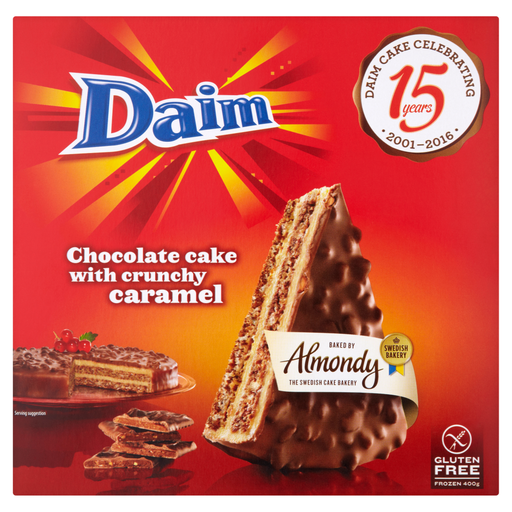 Image unavailable
If you’re planning to share it in advance, compare the number of portions you need with the 400 g size; weight alone won’t tell you how large the portions will be.
Before deciding when to serve it, check the defrosting and storage instructions, as well as the allergens.
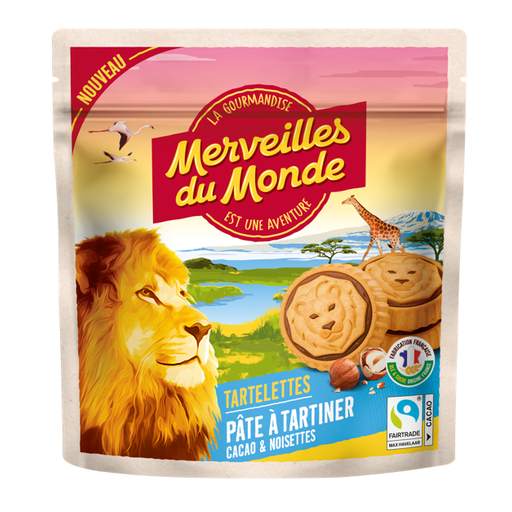 Image unavailable
For a small treat to share, check how many mini tarts are in the 180 g pack before portioning them out.
Check the ingredients list, allergens and storage instructions for the product you choose.
Read the ingredients and allergen information for the product you buy, then check the quantity and date shown so you can plan how to serve it. In France, the Ministry for the Economy states that allergenic ingredients must be highlighted on the label.
Yes. Check the label before serving a group and ask in advance whether anyone has dietary requirements. Don’t assume that two cakes from the same brand have the same ingredients.
It’s best suited to a meeting if you can confirm availability, the number of portions and storage instructions before serving. For an unplanned break or staggered schedules, easy-to-serve portions mean less preparation.
No. It describes the recipe, but doesn’t tell you how many colleagues it will serve or whether it meets their dietary requirements. Compare the format, ingredients, allergens and serving arrangements too.