What should you look for first?
Start with your guests’ needs around texture and ingredients. Then choose between ready-to-serve individual portions and a cake to share, taking preparation and storage into account.
| Criteria |
What to check |
Who is it for? |
| Texture |
Actual texture and whether it contains crunchy pieces; if someone has difficulty swallowing, follow the advice of the healthcare professional supporting them. |
When choosing for someone who prefers soft bites, I want to avoid textures they find difficult to chew; around 31% of consumers would put texture at the heart of their choice. |
| Afternoon tea format |
Number of portions, lead time for ordering and collection arrangements for the product you choose. |
When entertaining several guests, I mainly need portions that are easy to share out and an attractive presentation; the size of the group would be the main consideration for around 25% of consumers. |
| Ingredients and allergens |
Ingredient list, declared allergens and any ‘may contain’ warnings on each product’s label. |
If I need to avoid a particular ingredient, a description such as ‘premium’ doesn’t help me decide; around 19% of consumers would make label suitability their top criterion. |
| Nutritional information |
Sugars, fat and saturated fatty acids per 100 g, followed by the amount actually served. |
When comparing several cakes for an everyday afternoon tea, I want to understand what the portion served represents; around 25% of consumers would give nutritional information top priority. |
Brands and retailers to know
These brands and retailers offer examples of different afternoon tea formats; their inclusion here doesn’t mean that a particular product will suit every guest.
LU
LU offers a range of packaged biscuits to consider for an easy-to-organise afternoon tea.
- Individual packaging can be handy when everyone is choosing their own portion.
- Check the specific product you’re buying to assess its texture, allergens and nutritional information.
St Michel
St Michel offers small madeleines described as soft, as well as Roudor palets described as crunchy.
- The difference in texture helps you choose according to your guests’ preferences and comfort when chewing.
- Check the ingredients and nutritional information for each recipe; neither texture guarantees suitability for someone with dysphagia.
Carrefour
Carrefour Traiteur offers a made-to-order assortment of ten pastries for a group afternoon tea.
- Individual pastries let you offer a choice of recipes without having to cut a single cake.
- Check the ingredients for each pastry, as well as collection options and lead times at your chosen shop.
E.Leclerc
E.Leclerc stocks a range of chilled desserts, including individual portions of île flottante.
- Pre-portioned desserts save you from having to cut anything when serving.
- Texture, allergens and storage depend on the specific dessert, so check its product page or packaging.
Auchan
Auchan offers individual pastries, cakes to share and an organic almond and chocolate soft cake labelled gluten-free.
- The different formats make it easy to choose between individual portions and a cake for several people.
- The gluten-free cake mentioned contains almonds, eggs and butter, so check its ingredients against anything your guests need to avoid.
Lidl
Lidl describes its Pastel de Nata as combining custard with crisp puff pastry.
- This combination of textures may appeal to guests who enjoy pastries made with puff pastry.
- A crisp texture won’t suit everyone; also check the allergens and whether the product is available at your chosen shop.
Cakes to consider on Joybuy
These products offer several ways to serve afternoon tea: a cake to share, individually portioned treats and recipes that need preparing. Compare their textures and serving requirements before choosing for your guests.
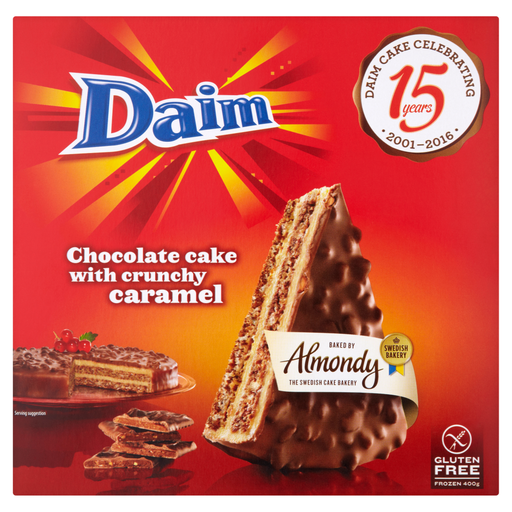 Image unavailable
Daim chocolate cake with crunchy caramel, 400 g
Worth considering for a shared afternoon tea if your guests enjoy crunchy pieces of caramel. Before serving, check that they’re comfortable with this texture, and check the allergens and defrosting and storage instructions on the packaging.
View on Joybuy
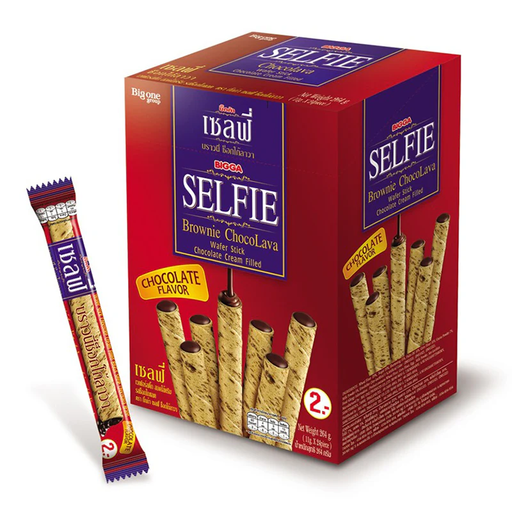 Image unavailable
BIGGA Selfie Brownie, 216 g
If individual portions are important for your afternoon tea, these brownies are described as soft and individually wrapped. Check the allergens and nutritional information on the packaging; ‘soft’ doesn’t mean they’re suitable for someone who has been prescribed a particular texture.
View on Joybuy
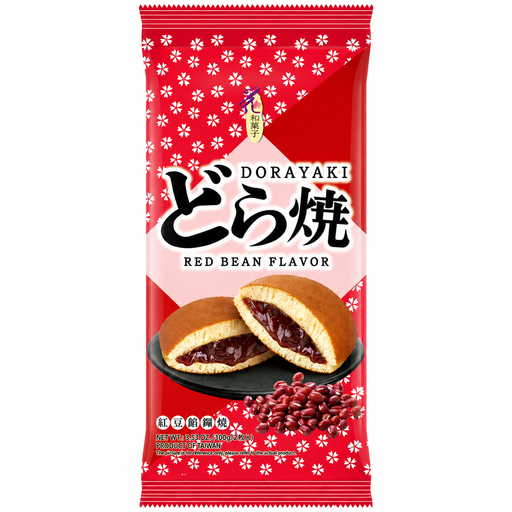 Image unavailable
LOVE & LOVE Dorayaki filled with red bean, 165 g, 3 pieces
The three pieces make it easy to serve these without cutting a cake. The pancakes are described as soft; still, check the ingredients and don’t take this description as guidance for someone who has difficulty swallowing.
View on Joybuy
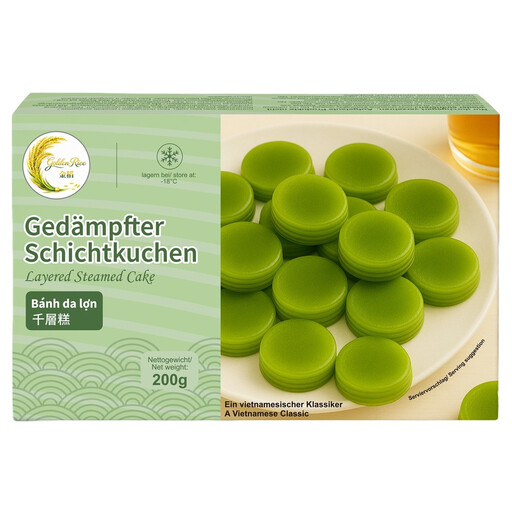 Image unavailable
Golden Rice frozen layered steamed cake, 200 g
Consider this if you can store a frozen product and prepare it by steaming before afternoon tea. Its texture is described as soft, but that doesn’t mean it’s suitable for someone with dysphagia; follow the preparation instructions and check the allergens.
View on Joybuy
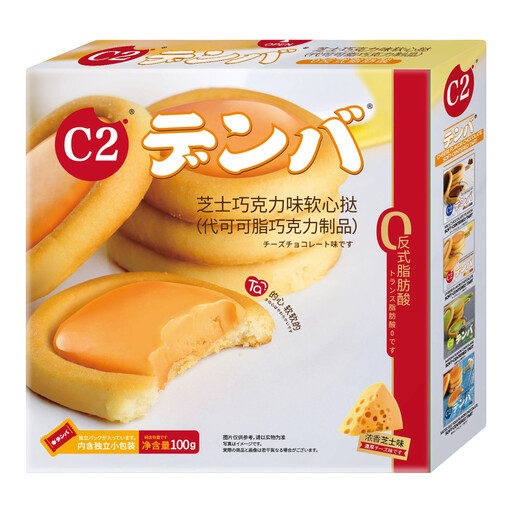 Image unavailable
C2 Cheese Chocolate Flavour Soft Heart tarts, 100 g
The centre is described as soft, but the biscuit base is crunchy, so consider both textures if a guest avoids crunchy bites. Also check the product’s ingredient list and allergens.
View on Joybuy
Frequently asked questions
Is a soft cake suitable for someone who has difficulty swallowing?
Not necessarily: ‘soft’ describes the product, but doesn’t guarantee that its texture is suitable for someone with a swallowing difficulty. If the person has been prescribed a particular texture or food is going down the wrong way, follow the advice of the healthcare professional supporting them.
What should you check on a packet of cakes before buying?
First, check the ingredients and allergens that matter to your guests, then look at the storage instructions and nutritional information if you’re comparing several products. France’s DGCCRF states that, under the rules applicable to the product, prepacked food labels include details such as the ingredient list, net quantity and a nutrition declaration.
Should you choose a gluten-free cake for all older people?
No, age alone isn’t a reason to choose gluten-free. France’s Assurance Maladie states that a strict gluten-free diet is necessary for people with coeliac disease. For the cake you choose, also check the other ingredients and allergens, particularly if a guest needs to avoid nuts, eggs or milk.
How should you plan to store pastries for a group afternoon tea?
Follow the date and storage instructions for the exact product, then plan collection and transport accordingly. For a catering order, confirm the instructions with the shop rather than applying the storage time given for a different cake to all pastries.
Can a cake replace professional care for malnutrition?
No, choosing a cake for its energy content is no substitute for professional care for malnutrition. If someone has lost weight unintentionally or is malnourished, seek medical or dietary advice about the right steps for them.


