People making a cake in stages
If you only use some of the biscuits at each stage, separate packs let you keep the rest sealed. Check how much each pack contains against your recipe.


Individually wrapped packs are useful if you’re making the cake in stages and want to keep the remaining portions sealed. However, choose your biscuits based on the role they’ll play in the recipe: for crumbs, check that they’re dry and have no filling; if you’re folding in pieces, consider any filling or coating. The packaging doesn’t replace checking the ingredients, allergens and nutritional information.
If you only use some of the biscuits at each stage, separate packs let you keep the rest sealed. Check how much each pack contains against your recipe.
Whether you want crumbs or pieces to fold into the mixture, choosing between plain, filled and coated biscuits matters just as much as the pack format. These types are among those featured in Carrefour France’s range.
If you’re making a cake to share, check the label of the product you’re buying before you choose. The ingredients list, highlighted allergens and nutritional information let you compare products without assuming that a brand always uses the same recipe.
First decide whether the biscuits need to be crumbled or kept in pieces, then check that the packaging and ingredients suit your recipe.
| What to consider | What to check | Who is it for? |
|---|---|---|
| Separate portions | Number of packs, quantity per pack and whether the product is explicitly described as individually wrapped. | If I’m baking on different occasions, I want to open only the amount I need. Around 33% of consumers would prioritise separate portions. |
| Texture in the cake | Type of biscuit and whether it has a filling or coating. | For a crumb base or pieces to fold in, I want a biscuit that suits the step I have in mind. Texture would be the main priority for around 42% of consumers. |
| Ingredients and labelling | Ingredients, highlighted allergens, sugars and fat per 100 g. | When I’m sharing a cake, I need to be able to check the ingredients in everything I use. Nearly 25% of consumers would put this check first. |
France’s Ministry of the Economy describes this levy as applying to sugary drinks, not chocolate biscuits.
To compare biscuits, check their ingredients lists and nutritional information instead.
In France, displaying the Nutri-Score is voluntary, as Santé publique France explains. Its absence doesn’t tell you anything about a biscuit’s nutritional quality.
Compare the nutritional values and ingredients of the products you’re interested in. Use the Nutri-Score as an additional guide if it’s shown.
A filling or coating changes the ingredients in your cake and can affect the texture you’re aiming for. For example, Carrefour France describes Milka Choco Pause as a filled biscuit.
If the recipe calls for crumbs from a plain biscuit, check the type before swapping ingredients. If you’re using pieces, consider how the filling will work in the mixture.
Check the ingredients and precautionary statements for the product you’re buying, not another recipe from the same brand.
Read the ingredients list, highlighted allergens and any ‘may contain’ statements on the packaging of the product you’re using.
For comparing portions, Carrefour France lists BelVita Chocolat LU biscuits in a box of 8 packs, weighing 400 g in total.
Among the products listed by Carrefour France are BN mini chocolate-flavoured biscuits in 5 packs of 35 g.
The Milka Choco Pause described by Carrefour France combines two crunchy biscuits with a milk chocolate centre.
The range featured by Carrefour France includes chocolate-flavoured filled biscuits, milk chocolate-coated biscuits and Petit Beurre-style biscuits with a chocolate bar under this brand.
These chocolate treats are worth considering if you’re preparing a recipe in stages or folding in pieces. Before buying, check whether each portion is individually wrapped and whether the texture is right for your recipe.
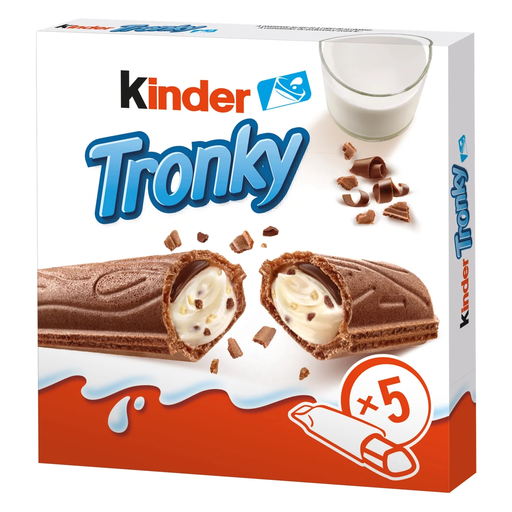 Image unavailable
Worth considering if you want to fold in pieces of chocolate wafer rather than crumbs from a plain biscuit.
The listed pack size is 90 g. Before using it in your cake, check the packaging and allergens, and consider whether the wafer is right for the texture you’re after.
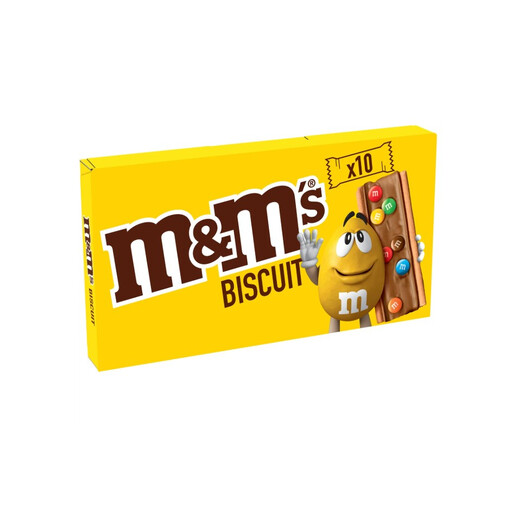 Image unavailable
Worth considering if your recipe calls for biscuits in pieces and you want to spread out how many you use from a multipack.
The title lists 10 pieces weighing 198 g. Check the packaging for individually wrapped portions, ingredients and allergens. The format name alone doesn’t tell you how the biscuits will behave when crumbled.
No. They’re mainly useful if you’re opening the biscuits in stages. If your recipe uses a large amount all at once, choose the right type and quantity of biscuit first. Also check whether the stated format really contains separate packs.
No. According to Santé publique France, displaying it is voluntary. The DGCCRF explains that labelling for relevant prepacked foods includes an ingredients list and a nutrition declaration, among other details. Use these to compare products, and the Nutri-Score as an extra guide if it’s shown.
Read the label on the exact product you’re using, including any allergens highlighted in the ingredients list and any statements about possible traces. Don’t assume the ingredients based on the brand, pack format or another biscuit in the range.
No. France’s Ministry of the Economy describes this levy as applying to sugary drinks. When choosing biscuits, check the ingredients and the sugars listed in the nutritional information instead.