Decorating a cake
If the outer layer will be on show, check whether the biscuits are described as chocolate-coated or as having a chocolate-flavoured coating. Neither description guarantees how they’ll look after being baked.


Choose your biscuit according to how you’ll use it in the cake. A chocolate outer layer matters if you want it to show, but it isn’t essential if you simply want to mix in or crumble a filled biscuit. Check whether the product is described as chocolate-coated or as having a ‘chocolate-flavoured coating’, then read the ingredients and allergen information on the pack you choose. The product name alone won’t tell you how the biscuit will look or feel after baking.
If the outer layer will be on show, check whether the biscuits are described as chocolate-coated or as having a chocolate-flavoured coating. Neither description guarantees how they’ll look after being baked.
If you want to crumble or mix a filled biscuit into a recipe without needing an outer layer, a chocolate-filled biscuit without a coating is another option. Prince wholegrain chocolate biscuits and BN chocolate-flavoured filled biscuits are examples of this distinction.
If ingredients or allergens determine your choice, read the information on the pack you’ll be using, as it varies by product. Where shown, the Nutri-Score provides additional nutritional information, but it doesn’t replace these checks.
First decide whether your recipe needs a visible outer layer or simply a filled biscuit to mix in. Then check the ingredients of your chosen variety and when you plan to add it to the cake.
| What to consider | What to check | Who it matters to |
|---|---|---|
| Outer layer | The exact description of the layer: chocolate, coating or chocolate-flavoured icing; and the corresponding ingredients. | If I’m decorating a cake, I want to know what the biscuit’s outer layer is before adding it. Around 38% of consumers prioritise this appearance. |
| Mixing in | The type of filling and how many biscuits the recipe needs. | If I’m crumbling the biscuits into the mixture, their coating isn’t my main concern. Around 25% of consumers prioritise how well they mix in over the outer finish. |
| Ingredients | The ingredients, allergens and ‘may contain’ information on the pack; nutritional information and the Nutri-Score, if shown on comparable products. | Before serving the cake, I need to know what’s in the biscuit I’ve chosen. Around 37% of consumers prioritise checking the ingredients and nutritional information. |
Auchan describes its milk chocolate Oreo Enrobed biscuits as having a ‘milk chocolate-flavoured coating’. This wording alone doesn’t confirm that the layer is the chocolate your recipe calls for.
Compare the product description and ingredients instead of relying on the picture on the pack.
The presence of an outer layer before use doesn’t tell you how it will feel or look after baking in cake batter.
If the baked result is important, check your recipe instructions or try a small amount first. If you’re adding the decoration after baking, follow the step specified in the recipe.
According to the French Public Health Agency, Nutri-Score is voluntary information that complements the mandatory nutrition declaration. It doesn’t replace the ingredients list or allergen information.
Compare this label only when it appears on the products you’re considering, and check the packaging of the biscuits you’ll use separately.
These brands offer examples of different biscuit styles. Whether a biscuit is coated depends on the specific product, not just the brand name.
The Enrobed varieties reviewed are cocoa biscuits with a vanilla filling and an outer layer described, depending on the variety, as either milk chocolate-flavoured icing or a white chocolate coating.
The range considered includes an uncoated Prince chocolate-filled biscuit and Prince varieties described as having a chocolate outer layer.
The 285 g pack of chocolate-flavoured filled biscuits is worth considering when the filling matters more than an outer layer.
Carrefour lists a 225 g box of Classic' chocolate-filled biscuits.
These products suit two different uses: Oreo biscuits with a milk chocolate outer layer, and filled biscuits to consider when mixing them into a recipe matters more than having a coating. Choose according to the step in your recipe, without assuming how they’ll turn out after baking.
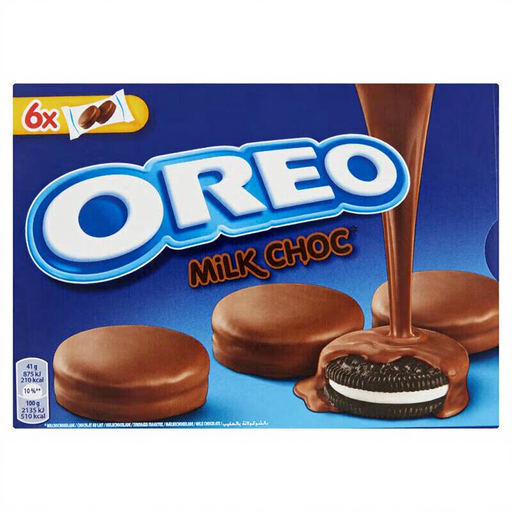 Image unavailable
Worth considering if an outer layer is part of the look you’re after. The biscuit is described as having a vanilla filling; check the pack for information about wheat, milk and soya. If you plan to bake it into the mixture, first test the result your recipe needs.
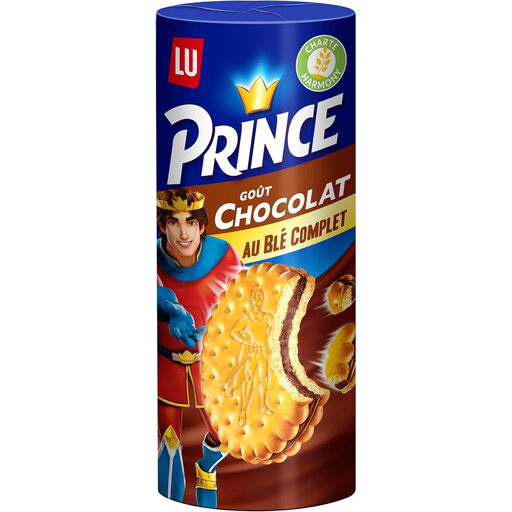 Image unavailable
A good option for recipes that don’t need a chocolate outer layer. The listed ingredients include 15% wholemeal wheat flour and 4% low-fat cocoa powder. Check the pack for allergens and information about possible egg traces; the result after baking will depend on how you use them in your recipe.
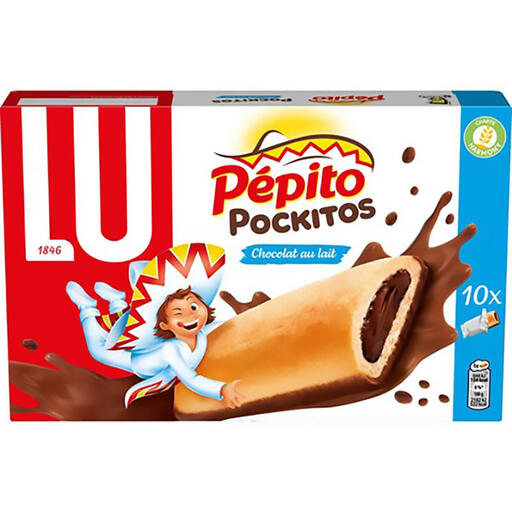 Image unavailable
An option to consider if you want to mix a chocolate-filled biscuit into your recipe without needing an outer coating. The title states 295 g, while the detailed description says 294 g, so check the net weight on the pack when working out how much you need. Also check the allergen information before making the cake.
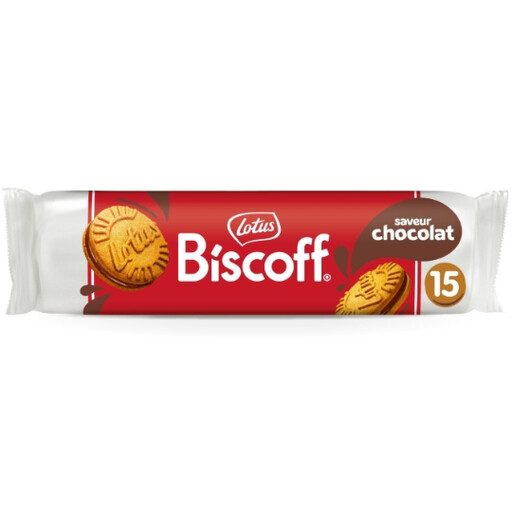 Image unavailable
Consider these for mixing a filled sandwich biscuit into a recipe rather than for a chocolate outer finish. The pack is listed as 150 g; check it for information about wheat, milk, soya and possible egg traces. Don’t assume the filling will determine how the biscuit looks after baking.
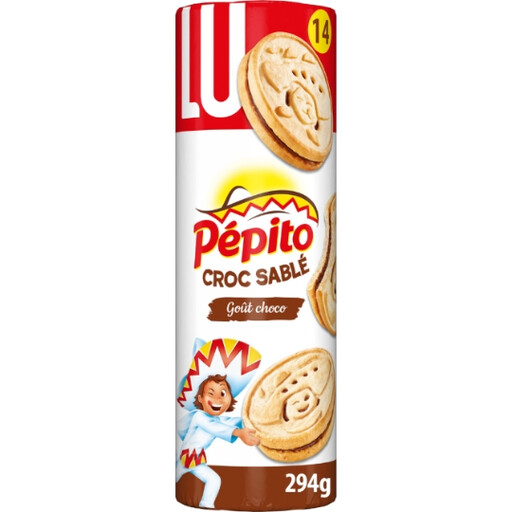 Image unavailable
For recipes where the filling matters more than an outer layer, this product is described as two biscuits with a chocolate-flavoured filling. Check the pack for information about wheat, milk, soya, egg and possible nut traces. If you’re baking the biscuits, first check what result your recipe calls for.
No. According to the French Public Health Agency, Nutri-Score is voluntary information that complements the mandatory nutrition declaration required under the INCO Regulation. Its absence doesn’t mean a biscuit is non-compliant. If it is shown, read the nutritional information and ingredients too.
You can’t tell from those words alone. Auchan describes its milk chocolate Oreo Enrobed biscuits as having milk chocolate-flavoured icing, while Joybuy describes LU Choco Prince as coated in a layer of milk chocolate. Read the product description and ingredients for the variety you buy, especially if your recipe specifically calls for chocolate.
Check the pack of the product you actually use. Carrefour’s listing for milk chocolate Oreo Enrobed mentions wheat, milk and soya, among other ingredients; Joybuy’s listing for BN chocolate-flavoured filled biscuits warns that they may contain nuts. Ingredients and trace warnings can vary between products.
Follow the instructions on the pack you choose. The listings reviewed for Oreo Enrobed and LU Choco Prince recommend keeping them away from heat and moisture, or storing them in a cool, dry place.