Anyone making a crunchy base
For a cheesecake, a no-bake tart or a biscuit layer, look for a crisp biscuit that can be crushed. A soft or filled cake won’t give you the same texture, and is better suited to a recipe that calls for it.


For a cake base or a layer of crushed biscuits that needs to stay crunchy, choose a crisp biscuit rather than a soft or filled cake. Individually wrapped portions are useful if you’re making the recipe in stages, but check that they’re included with the exact product you’re considering. Also compare the ingredients, allergens and nutritional values per 100 g. If it appears on the packaging, Nutri-Score can be a helpful extra guide.
For a cheesecake, a no-bake tart or a biscuit layer, look for a crisp biscuit that can be crushed. A soft or filled cake won’t give you the same texture, and is better suited to a recipe that calls for it.
If you only need a few biscuits each time you prepare something, individually wrapped portions let you open just what you need. Remember to follow the storage instructions on the pack.
If several people will be eating the cake, check the ingredients and allergens for each product. Nutritional values per 100 g make it easier to compare things like sugar and fat content.
Start with the texture your recipe calls for, then check the packaging, flavour and label of the specific product you plan to use.
| What to consider | What to check | Who this matters to |
|---|---|---|
| Base texture | If the recipe calls for a crushed biscuit base, look for biscuits described as crisp or crunchy. | For a cake base that needs to stay crunchy, I look for biscuits I can crush rather than a soft cake. Around 36% of consumers prioritise this texture. |
| Individually wrapped portions | Check that the specific product comes in individually wrapped portions and confirm how many there are. Follow its storage instructions. | If I’m making several small desserts on different days, I want to open only the portions I need. This is the main priority for around 29% of consumers. |
| How well it suits the recipe | Check whether the biscuit is plain, chocolate-flavoured or filled, and whether its texture is right for your recipe. | When a cake already has a distinct flavour, I don’t want an unexpected filling or flavouring to change it. Around 21% of consumers prioritise how well the biscuit suits the recipe. |
| Label | Compare nutritional values per 100 g and check the ingredients and any allergens listed. | Before serving my cake to other people, I need to check what’s in the biscuit I’ve used, including any allergens. Around 14% of consumers put checking the label first. |
The DGCCRF states that displaying the Nutri-Score is voluntary in France. Its absence alone isn’t enough to judge a product or determine whether it complies with regulations.
If it’s displayed, use it as an additional guide and also compare the ingredients and nutritional values per 100 g.
A soft texture or filling will change the result you’re looking for in a crunchy base, and may add a flavour you weren’t expecting.
For a crushed biscuit base, check that the product is the type of biscuit your recipe calls for. Save soft or filled products for recipes that work with their texture and flavour.
Packaging varies by product. A brand that sells individually wrapped biscuits may also offer other formats.
Check the product listing or packaging for details of the individually wrapped portions, how many there are and the total quantity.
Using biscuits in baking doesn’t mean you can skip checking their ingredients before serving the cake.
Read the allergens highlighted on the packaging of the exact product, especially if anyone with an allergy or intolerance will be eating the cake.
Worth considering for crisp biscuits or, depending on the recipe, soft cakes in individually wrapped portions.
Some products come in individually wrapped portions and may suit recipes that call for a soft texture rather than a crunchy base.
Worth looking at if your recipe calls for a filled biscuit with a distinctive flavour.
A supermarket own brand to explore when comparing different types and formats of biscuit.
These products include galettes and a Petit Beurre biscuit for recipes with a biscuit base, as well as filled or soft options for other textures. If individually wrapped portions are essential for your recipe, check the packaging of each product before buying.
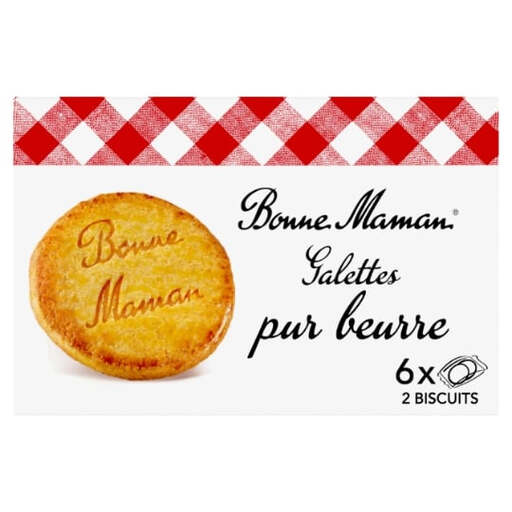 Image unavailable
Worth considering for a recipe that calls for crushed galettes and works well with a buttery flavour. Before relying on them for use over several occasions, check the packaging to see whether they come in individually wrapped portions.
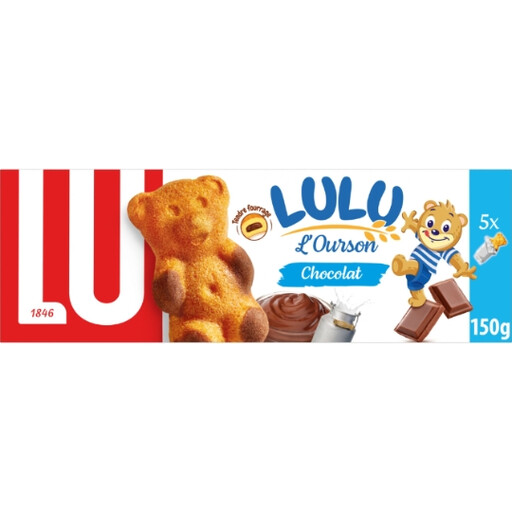 Image unavailable
Best suited to a recipe that calls for soft pieces and a chocolate filling, rather than a crisp biscuit base. Check the packaging for details of the format and allergens for this product.
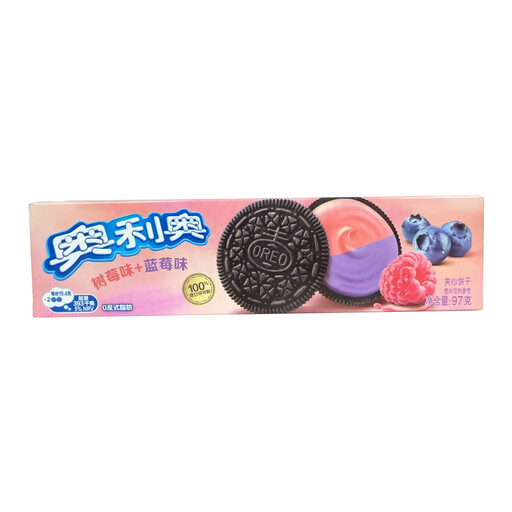 Image unavailable
Worth considering if your recipe works with the fruity flavour and filling of a sandwich biscuit. They’re not a neutral substitute for plain galettes. The product comes in two individually wrapped sachets, so check that the portion size suits the quantity you need.
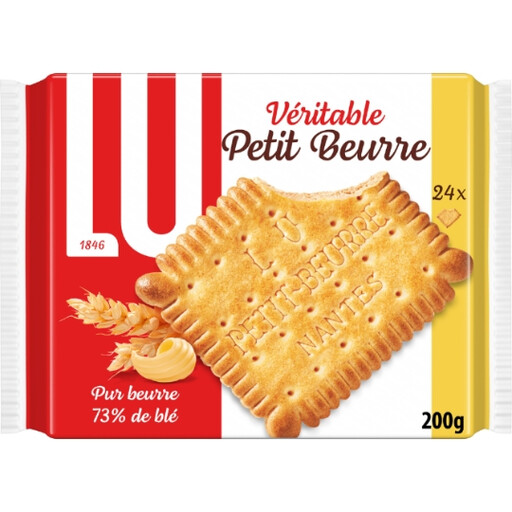 Image unavailable
Petit Beurre biscuits are worth considering for a recipe that calls for crushed biscuits and suits a buttery flavour. If you need individually wrapped portions, check that they’re included in this product’s pack.
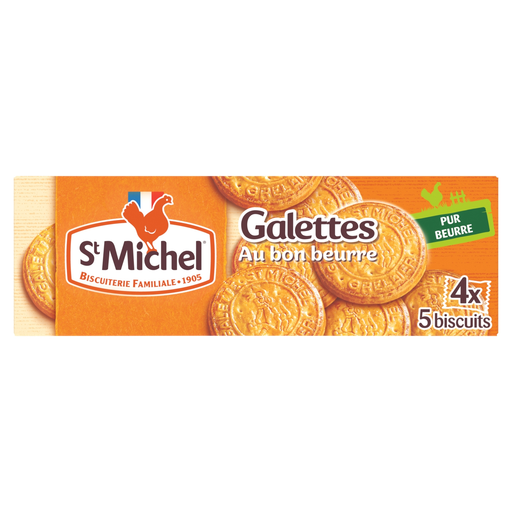 Image unavailable
These galettes may suit a recipe that calls for biscuits to be crushed, provided their buttery flavour works with the other ingredients. If individually wrapped portions are essential, check the packaging of this product.
No. The DGCCRF says that displaying Nutri-Score is voluntary in France. You can use it as a guide when it appears, but its absence doesn’t mean a product is non-compliant.
Check the product name, ingredients, highlighted allergens and net quantity, among other details. The DGCCRF says that a nutrition declaration is generally required for prepacked foods, subject to applicable exemptions. Values per 100 g make it easier to compare products.
Not on their own. They mainly allow you to open only the portions you need. Also follow the storage instructions for the product you choose. For its Petites Galettes, St Michel recommends storing them in a dry place, away from heat and light.
Not without changing the texture of the base. A soft cake won’t behave like a crisp biscuit you can crush. Choose one if your recipe calls for a soft layer, and bear in mind that any filling will affect the final flavour.