Managers looking for a caffeine-free drink
You need to check each recipe rather than rely on a label such as ‘evening’. The ingredients list is particularly useful for checking whether black, green or white tea is included.


If your canteen wants to serve a caffeine-free evening drink, rooibos or a herbal infusion could be a good choice, provided the full ingredients list contains no black, green or white tea. Then choose products with ingredients and brewing instructions that staff can easily check. Try a few flavours with diners before expanding the range, and don’t make a liquorice blend the only regular option.
You need to check each recipe rather than rely on a label such as ‘evening’. The ingredients list is particularly useful for checking whether black, green or white tea is included.
You’re looking for portions that are easy to prepare, with information about the ingredients kept alongside each product, even after the sachets have been taken out of their box.
You want to offer an alternative to plain rooibos without assuming that a fruity flavour or a ‘relaxing’ label means it’s caffeine-free. Liquorice blends also need special consideration if they’re consumed regularly, as the French Agency for Food, Environmental and Occupational Health & Safety (Anses) points out.
Start by checking the recipe of every drink you plan to offer as caffeine-free. Then consider how the ingredients and brewing instructions will be kept available at the serving station before deciding how many flavours to offer.
| Criterion | What to check | Consumers concerned |
|---|---|---|
| Caffeine-free | Read the full ingredients list and exclude recipes containing black, green or white tea from your caffeine-free range. | If the drink is served in the evening, I want to be sure it contains no tea leaves, even if its name suggests it’s a herbal infusion. Around 36% of consumers put this check first. |
| Service and product information | Compare the packaging and brewing instructions; keep the ingredients and allergen information with each product. | When several people prepare the drinks, I need a consistent method and a way to find the information for the sachet being served. Around 29% of consumers would prioritise ease of service. |
| Choice of flavours | Try a small number of flavour profiles before expanding the range, and check each recipe separately. | I want to offer a choice of flavours without leaving whole boxes unused if some prove unpopular. Around 21% of consumers would put a variety that people actually drink first. |
| Recipe-specific precautions | Look out for liquorice in particular, and keep the relevant ingredients and allergen information to hand. | If a drink is available regularly, I’d rather not have a recipe that needs special precautions as the only option. Around 14% of consumers would make this their top priority. |
These labels don’t necessarily describe the whole recipe. A blend containing black, green or white tea naturally contains caffeine.
For drinks marketed as caffeine-free, check the full ingredients list for every flavour.
Offering too many flavours can leave some products barely used.
Start with a rooibos option and a few herbal alternatives, then adjust the quantities based on feedback from your canteen.
A wider selection also means keeping track of more boxes and leftover sachets.
According to Anses, high and repeated consumption of liquorice can lead to hypokalaemia and high blood pressure.
Clearly identify recipes that contain liquorice and provide an alternative without it.
Without the packaging or an information sheet for the product being served, staff may find it difficult to check its ingredients. For food presented unpackaged in the circumstances set out in Articles R412-12 to R412-16 of the French Consumer Code, consumers must be informed of any relevant allergenic substances or products still present in the finished product.
Keep the label or a service sheet with each container, and update it whenever the product or recipe changes.
Twinings offers teas and herbal infusions, so the type of drink you choose matters just as much as the brand.
This own-label brand could be included when comparing products for canteen service.
E.Leclerc offers Tiséa herbal infusions, including a ‘gentle evening’ option in a box of 25 sachets.
Auchan’s range includes a Lipton Liquorice & Mint ‘Evening Flavours’ infusion in a box of 20 sachets.
These products illustrate a few ways to build your range: herbal infusions, rooibos sachets, liquorice blends and an instant rooibos and milk drink. Check the packaging of the batch before serving each product you choose.
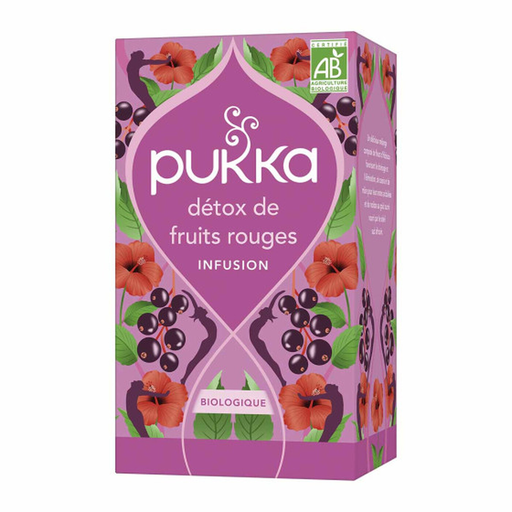 Image unavailable
A fruity option to consider among herbal infusions. Ask diners to try the flavour before placing regular orders, and check the ingredients and allergen information on the packaging being served. ‘Detox’ is part of the product name and is not a claim about its effects here.
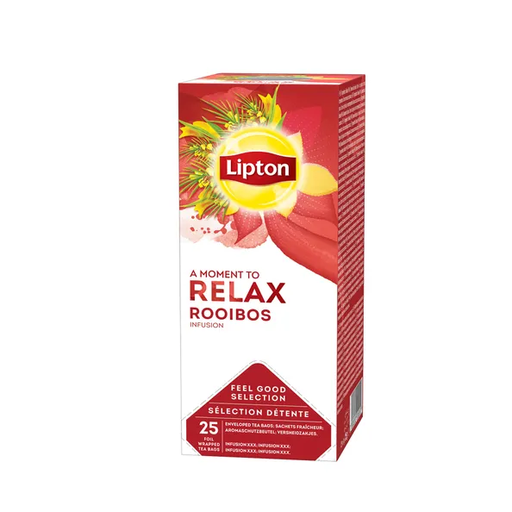 Image unavailable
Worth considering if you’d like a portioned rooibos option for service. The box contains 25 sachets. Check its ingredients and brewing instructions before deciding how staff should prepare it.
 Image unavailable
A blend to consider for adding variety, but not as the only drink available regularly: its recipe contains liquorice. Anses warns against high and repeated consumption of this ingredient. Keep an alternative without liquorice available and check the label on the batch being served.
 Image unavailable
This infusion adds another herbal blend to your range. ‘Digestion’ is its product name, not a claim of proven effectiveness here. It contains liquorice, so identify it clearly at the serving station and offer an alternative without liquorice, bearing in mind Anses’ warning about high and repeated consumption.
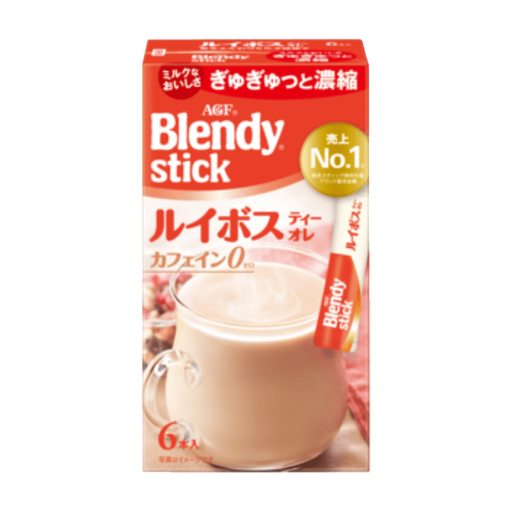 Image unavailable
This individually portioned product is an instant rooibos and milk drink, not a herbal tea bag infusion. It contains milk, soya, sugar and sweeteners. Take these ingredients into account in the information you provide at the serving station, and check the preparation instructions on the packaging.
No. If a drink is being offered as caffeine-free, check the recipe rather than relying on its name alone. E.Leclerc distinguishes herbal infusions from tea made from the tea plant, which naturally contains caffeine. In particular, check the ingredients for black, green or white tea.
When an infusion is prepared or presented unpackaged in the circumstances set out in Articles R412-12 to R412-16 of the French Consumer Code, consumers must be informed of any relevant allergenic substances or products still present in the finished product. Keep information that matches the recipe actually being served. Handing out a prepacked sachet with its original labelling is a different way of serving it.
For regular group service, it’s best to offer an option without liquorice as well. Anses states that high and repeated consumption of liquorice can lead to hypokalaemia and high blood pressure, so clearly identify recipes that contain it.
No, follow the instructions for each box. For example, the product information presented by Auchan gives a brewing time of 5 minutes at 90 °C for Kusmi Tea almond rooibos. Keep the instructions for the product actually being served to hand, rather than applying those settings to the whole range.