If you want to avoid caffeine at the weekend breakfast table, start with a herbal or fruit infusion, or rooibos, and check that the exact product is labelled ‘caffeine-free’ or ‘theine-free’. If you’d rather enjoy the taste of tea, consider decaffeinated tea and check its label. Either way, read the ingredients and preparation instructions, especially if the blend contains liquorice.
Who are these options for?
People avoiding caffeine
If you’re sensitive to caffeine or want to limit your intake, check that the product you choose is labelled ‘caffeine-free’ or ‘theine-free’. The French Agency for Food, Environmental and Occupational Health & Safety (ANSES) points out that caffeine can disrupt sleep.
Anyone who enjoys a hot drink at breakfast
Rooibos and herbal infusions let you keep the ritual of making a hot drink, while offering flavours that are different from tea. Compare the ingredients and preparation instructions for the blend you’re interested in.
Shoppers who pay attention to ingredients
If you often serve the same infusion, the ingredients list and any warnings deserve just as much attention as the flavour. ANSES particularly highlights the risks associated with high or repeated consumption of liquorice.
What should you look for?
Herbal infusion or rooibos
Choose this if: you’d rather have a blend explicitly labelled ‘caffeine-free’ or ‘theine-free’ than one that tastes like tea.
Bear in mind: flavours and ingredients vary between blends, and some contain liquorice.
Decaffeinated tea
Consider this if: you’re mainly looking for a drink that tastes like tea, while wanting to reduce your caffeine intake.
Check: tea naturally contains caffeine, as ANSES points out, so check the label on the exact product you’re considering.
To compare blends, first check what they say about caffeine, then look at the ingredients and how you plan to prepare the drink.
| What to consider | What to check | Who is it for? |
|---|
| Caffeine-free |
Check that the exact product is labelled ‘caffeine-free’ or ‘theine-free’, and read its ingredients list. |
I want a drink that won’t add to my caffeine intake, rather than relying on the word ‘wellness’ alone; around 40% of consumers are said to make this their top priority. |
| Flavour and a hot drink |
Check the main plant ingredients, flavourings and instructions for brewing with hot water. |
At breakfast, what matters most to me is a hot drink I enjoy, even if it tastes different from tea; this ritual would come first for around 30% of consumers. |
| Preparation |
Check whether the product is prepared hot or cold, along with the recommended amount of water and brewing time. |
For brunch, I’d prefer to be able to make a cold drink in a jug or bottle; convenience and format would be the priority for around 20% of consumers. |
| Ingredients and warnings |
Check whether the blend contains liquorice and read any precautions on the packaging. |
Before serving a blend regularly, I want to know what it contains and take any warnings into account; around 10% of consumers would put this check first. |
Mistakes to avoid
-
Assuming ‘wellness’ means ‘caffeine-free’
A range name alone doesn’t tell you whether a product contains caffeine. According to ANSES, tea contains caffeine, and people’s sensitivity to its effects varies.
Check the caffeine information and ingredients on the exact product you’re buying.
-
Overlooking liquorice in a blend
An infusion labelled caffeine-free may still contain liquorice. ANSES highlights the risks, including high blood pressure, associated with high or repeated consumption.
Read the warning on the box. If you’re pregnant or breastfeeding, have high blood pressure or take medication, ask a healthcare professional for advice before drinking it regularly.
-
Taking a ‘detox’ claim as proven
A claim on the packaging doesn’t prove that the drink will provide a personal benefit. France’s Directorate-General for Competition Policy, Consumer Affairs and Fraud Control (DGCCRF) notes that nutrition and health claims are regulated.
Base your choice on the ingredients, caffeine information, flavour and preparation instructions, rather than a promised result.
Brands and retailers to know
Lipton
For a refreshing brunch drink, the Peach Raspberry product featured by Auchan France is a cold-brew infusion described as caffeine-free.
- The instructions for this product recommend brewing it for 5 minutes in 500 ml of cold water.
- It isn’t decaffeinated hot tea; check the ingredients and instructions for your chosen flavour.
Carrefour
Carrefour France’s product page for Pukka peppermint and liquorice infusion describes it as naturally caffeine-free.
- The product page lists the ingredients and includes a warning about liquorice.
- If you’re planning to drink it regularly, take particular care because it contains liquorice.
E.Leclerc
An E.Leclerc product page describes a Tisea infusion containing mint, verbena, chamomile, lemon balm and liquorice, among other ingredients.
- The product page lists the ingredients and includes a warning about liquorice.
- Check availability with your chosen store before making a special trip for this product.
Auchan
The Auchan France product pages we looked at include Ethiquable rooibos, which is described as theine-free, and a Clipper infusion described as naturally caffeine-free.
- These pages provide ingredients and preparation information for each blend.
- A wellness claim in a product description doesn’t prove a health benefit.
Infusions available on Joybuy
This selection includes herbal or fruit infusions to brew in a cup, as well as a cold infusion for brunch. If avoiding caffeine is important to you, check the label on the blend you choose.
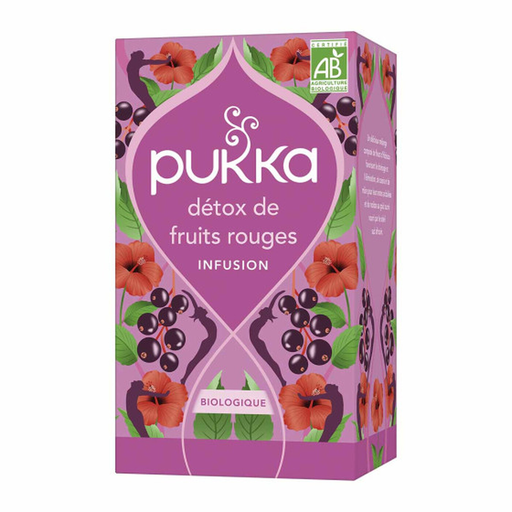 Image unavailable
Pukka Organic Red Fruits Detox Herbal Tea, 34 g
Worth considering if you’d like a fruit infusion to enjoy hot. Check the caffeine information and instructions on the box; ‘Detox’ doesn’t guarantee a health benefit.
View on Joybuy
 Image unavailable
Pukka Organic Digestion Herbal Tea, 40 g
An option to explore if you’d prefer a herbal blend at breakfast. This blend contains liquorice, so read the warning on the packaging before drinking it regularly. Its name doesn’t guarantee a digestive benefit.
View on Joybuy
 Image unavailable
Pukka Organic Gingers Herbal Tea, 36 g
Worth a look if you’re after ginger flavours rather than a drink that tastes like tea. The blend contains liquorice, so check the ingredients, caffeine information and instructions on the box.
View on Joybuy
 Image unavailable
DAMMANN FRÉRES Chamomile Tea Bags, 21 sachets, 42 g
A tea bag option to consider if you’d like to make a cup of chamomile. Check the ingredients, caffeine information, water temperature and brewing time on the box.
View on Joybuy
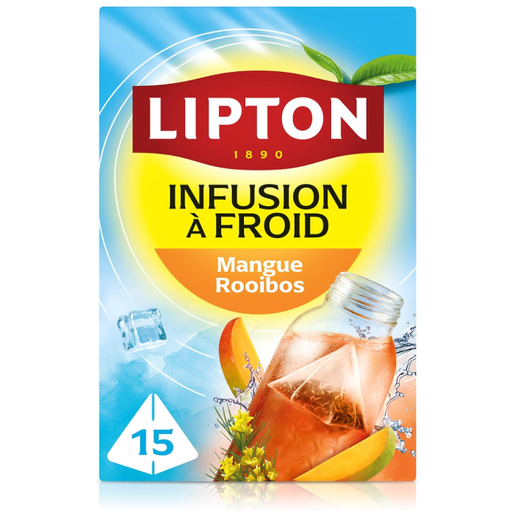 Image unavailable
Lipton Cold Infusion Rooibos Mango, 15 sachets
Worth considering for a cold brunch drink rather than a hot cup. Before brewing, check the caffeine information on the packaging and how much water to use.
View on Joybuy
Frequently asked questions
Is a ‘wellness’ infusion always caffeine-free?
No. Check the label and ingredients for the exact product: the range name isn’t enough. ANSES points out that tea is a source of caffeine.
Rooibos, herbal tea or decaffeinated tea: what should you choose for breakfast?
If avoiding caffeine is your priority, look for rooibos or herbal tea labelled ‘theine-free’ or ‘caffeine-free’. If you mainly want the taste of tea, consider decaffeinated tea and check the information on its packaging.
Should you avoid all infusions containing liquorice?
Not necessarily, as it depends on the individual and how often you drink it. ANSES warns that high or repeated intake of liquorice can lead to high blood pressure, among other effects. If you have a medical condition or take medication, ask a healthcare professional for advice.
Do ‘detox’ or ‘digestion’ claims guarantee an effect?
No. These words don’t guarantee an individual result. DGCCRF points out that nutrition and health claims are regulated; when choosing an infusion, look first at its ingredients and preparation instructions.
Can you prepare all caffeine-free tea bags in the same way?
No. Instructions vary by blend: a cold infusion won’t necessarily be prepared in the same way as rooibos served hot. Check the amount of water, its temperature and the brewing time on your box.


