For a warming evening drink with the atmosphere of a Christmas market, start with a product that is explicitly labelled caffeine-free. Then choose between plain rooibos and a flavoured blend, depending on the taste and ingredients you’re looking for. A liquorice and mint infusion offers a different flavour, but liquorice should be consumed with care, particularly in large amounts or regularly.
Who is this choice for?
People checking that a drink is caffeine-free
For an evening cuppa, look for a caffeine-free claim on the specific blend you’ve chosen. The product pages for the Kusmi Tea, ETHIQUABLE and Jardin BiO étic rooibos mentioned here describe them as caffeine-free; this doesn’t apply to all their other blends.
Fans of festive flavours
You might prefer a hint of almond or vanilla to plain rooibos. Kusmi Tea’s Rooibos Amande contains natural almond and bitter almond flavourings; check the ingredients for the pack you plan to buy.
People who pay close attention to ingredients
Check the ingredients before settling on a flavour, especially if you plan to drink it often or want to avoid liquorice. Anses warns against consuming large amounts of liquorice regularly.
What should you look for?
For an evening drink at the Christmas market, first check that the specific blend is labelled caffeine-free. You can then compare the flavour and any ingredient-related precautions.
Plain rooibos
Choose this if: you’re looking for a short ingredient list. The product pages for ETHIQUABLE rooibos and L’Origine du Goût plain rooibos list rooibos as the only ingredient.
Bear in mind: this option doesn’t have the added flavours found in almond or vanilla blends.
Flavoured rooibos
Choose this if: a flavour such as almond is important to you. Kusmi Tea describes its Rooibos Amande as caffeine-free.
Bear in mind: according to the Auchan product page, the blend is 98% rooibos and also contains natural almond and bitter almond flavourings.
Liquorice and mint infusion
Consider this if: you’re after these flavours rather than rooibos. Carrefour’s product page for Lipton Grand Sud lists 71% liquorice and 23% mint.
Take care: Anses advises against treating liquorice as an everyday drink, particularly in large amounts or when consumed regularly. Also check whether the specific product is labelled caffeine-free.
| What to consider |
What to check |
Who is this for? |
| Caffeine-free |
The ‘caffeine-free’ claim and full ingredients list for the specific product and pack you’ve chosen. |
If I want an evening drink, I’d rather check what’s in it than rely on the word ‘infusion’. Around 42% of consumers would put this check at the top of their list. |
| Flavour and serving |
The advertised flavour, the number of tea bags or net weight, and the product’s brewing instructions. |
For an easy-to-serve festive cuppa, I’d check that the flavour and pack size suit me. This would be the priority for around 33% of consumers. |
| Ingredients and precautions |
Whether it contains liquorice, what else is in it, and any warnings on the packaging. |
If I plan to drink it regularly or need to avoid certain ingredients, the recipe matters more than the product name. Around 25% of consumers would make these precautions their main concern. |
Pitfalls to avoid
-
Assuming ‘wellbeing’ means ‘caffeine-free’
A range name or an evening-themed description doesn’t tell you the ingredients in every blend.
Look for a ‘caffeine-free’ claim, then read the ingredients list for the specific product.
-
Choosing liquorice for regular drinking without checking the warnings
According to Anses, consuming large amounts of liquorice regularly can pose health risks, including high blood pressure and hypokalaemia. Carrefour’s product page for Lipton Grand Sud lists 71% liquorice.
Check the product warnings. If you have a health condition or are taking medication and have concerns, ask a healthcare professional for advice.
-
Mistaking a wellbeing claim for a therapeutic effect
DGCCRF points out that only authorised nutrition and health claims may be used, and only under the relevant conditions.
Choose an infusion for its ingredients and flavour, without taking suggestive wording as a promise of treatment.
Brands to know when comparing blends
Kusmi Tea
Its Rooibos Amande is a flavoured option for an evening cuppa.
- Kusmi Tea describes this product as caffeine-free; the Auchan product page lists 98% rooibos and natural almond and bitter almond flavourings.
- If you need to avoid certain ingredients, check the label on the pack you’re buying rather than relying on the flavour name alone.
Lipton
Grand Sud liquorice and mint has a different flavour profile from rooibos.
- Its Carrefour product page lists 71% liquorice and 23% mint.
- The liquorice content is worth paying particular attention to if you plan to drink it regularly, in line with Anses’s warning.
Carrefour Classic'
Rooibos Vanille is another rooibos flavour to consider.
- Carrefour lists this product as 20 tea bags, weighing 40 g in total.
- Check the product page and packaging for the ingredients and any guidance specific to the product you choose.
L’Origine du Goût, chez E.Leclerc
Its plain rooibos is a useful comparison if you’re looking for a blend with just one ingredient.
- E.Leclerc’s product page for the 90 g pack lists rooibos as the sole ingredient.
- If you need the product to be explicitly labelled caffeine-free, check for this claim on the one you choose.
Auchan
Its product pages let you compare several rooibos blends, including Kusmi Tea and ETHIQUABLE.
- The ETHIQUABLE product page describes a blend made from 100% organic, Fairtrade rooibos, in a pack of 20 tea bags weighing 40 g.
- Don’t assume that ingredients or claims on one product page apply to another brand or blend.
Joybuy products to consider
These two infusions offer citrus flavours to compare for an evening drink. Before serving them hot, check the caffeine information and preparation instructions on each pack.
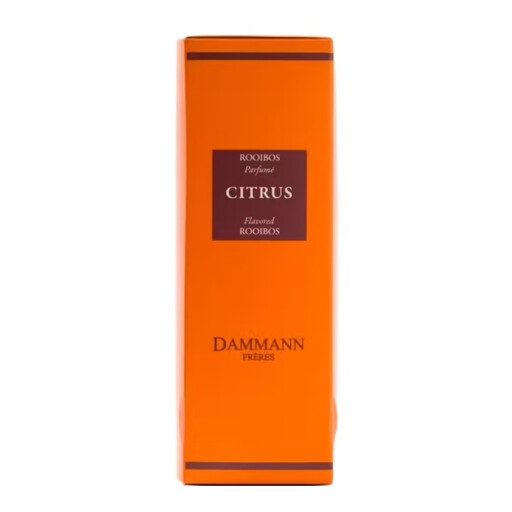 Image unavailable
DAMMANN FRERES Citrus Rooibos, 24 tea bags, 48 g
Worth considering if you’re looking for rooibos with citrus notes. The description says it’s made with rooibos, bergamot peel, flavourings and petals, among other ingredients, and describes it as caffeine-free. Check this claim on the pack, along with the instructions for brewing with hot water. If you avoid citrus, check the ingredients list and any relevant precautions too.
View on Joybuy
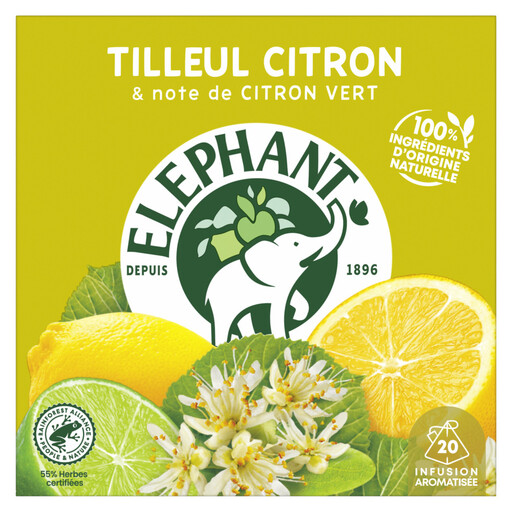 Image unavailable
Elephant, lime and lemon linden infusion, 20 tea bags, 28 g
Worth a look if you prefer a linden and citrus infusion to rooibos: the ingredients include 30% linden, lemongrass, lemon peel and lime peel. The pack contains 20 pyramid tea bags. The description says it’s caffeine-free, but the title and detailed instructions refer to a cold-brew infusion; check the caffeine-free claim and preparation instructions on the packaging before making it hot.
View on Joybuy
Frequently asked questions
Is a ‘wellbeing’ infusion always caffeine-free?
No. This wording doesn’t replace a claim about the specific blend. The Kusmi Tea, ETHIQUABLE and Jardin BiO étic rooibos mentioned here are described as caffeine-free on their respective product pages; always check the claim and ingredients for the product you choose.
Should all rooibos be brewed in the same way?
No, follow the instructions for each product. Kusmi Tea recommends brewing its Rooibos Amande at 90 °C for 5 minutes, while the ETHIQUABLE product page recommends 95 °C for 5 to 6 minutes for its plain rooibos.
Is a liquorice infusion suitable for drinking every evening?
Liquorice shouldn’t be treated as an everyday drink: Anses recommends moderate, occasional consumption and warns of risks if it’s consumed in large amounts or regularly. It specifically highlights pregnancy, breastfeeding, certain health conditions and possible interactions with medicines. For advice tailored to your circumstances, speak to a healthcare professional.
Does a ‘relaxing’ or ‘detox’ claim prove a health benefit?
No, these words alone don’t prove a therapeutic effect. DGCCRF points out that nutrition and health claims may only be used if they’re authorised and meet the relevant conditions. When choosing an infusion, it’s better to check the ingredients and any precautions for use.


