People who already have coffee with their afternoon snack
If you’d like a hot drink later without adding more caffeine, check the blend you choose. Anses says caffeine can delay falling asleep and reduce the length and quality of sleep.


After an afternoon coffee, choose a blend explicitly labelled caffeine-free if you’d like another drink later, particularly in the evening. Rooibos or a herbal infusion may be suitable, depending on the ingredients. However, labels such as ‘wellbeing’ and ‘relaxation’ are no substitute for checking the ingredients: a blend containing tea, maté or guarana won’t meet the same need.
If you’d like a hot drink later without adding more caffeine, check the blend you choose. Anses says caffeine can delay falling asleep and reduce the length and quality of sleep.
For a cup after a meal or in the evening, choose the plants and flavour profile you prefer. Don’t take claims such as ‘detox’, ‘digestion’ or ‘relaxation’ as proof of a medical effect.
If you shop at a supermarket, compare the blends, net weight and number of tea bags before choosing a pack size to suit how much you drink.
When choosing a drink to have after coffee, start with the ingredients. Then pick a flavour profile and pack size to suit when you’ll be drinking it.
| Criterion | What to check | Who is it for? |
|---|---|---|
| Caffeine-free | Look for an explicit ‘caffeine-free’ or ‘theine-free’ label and check the ingredients. If you want to avoid caffeine, rule out blends containing black, green or white tea, maté or guarana. | After my coffee, I want another cup in the evening without adding caffeine; around 42% of consumers rank being able to verify that it’s caffeine-free as their top priority. |
| Blend and wellbeing claims | Check the ingredients, their proportions where listed, and any warnings, rather than relying on the blend’s name alone. | For an after-dinner break, I’d rather choose a flavour I enjoy without assuming a ‘detox’ claim has a medical effect; around 33% of consumers prioritise checking the blend. |
| Pack size | Compare the number of tea bags and the net weight; distinguish tea bags for brewing from ready-to-drink beverages. | If I’m trying a new flavour, I don’t want to buy more tea bags than I’ll use; pack size comes first for around 25% of consumers. |
A blend marketed for the evening may contain tea. If you want to avoid adding caffeine after your afternoon snack, the product name alone isn’t enough.
Read the full ingredients list and look for an explicit caffeine-free or theine-free label on the product you’re considering.
These claims don’t prove a medical benefit. Anses also highlights the possibility of interactions and contraindications with plant-based food supplements; these are a separate category from an ordinary herbal infusion.
Choose a herbal infusion based on its ingredients and flavour. For a concentrated preparation or plant-based supplement, read the warnings and ask a healthcare professional for advice if needed.
Rooibos, a floral blend and a minty infusion all taste different, so some tea bags may end up going unused.
Start with a smaller pack in a flavour profile that appeals to you, then check the ingredients before choosing a larger box.
Worth a look if you’re after flavoured rooibos: Joybuy lists Kusmi Tea organic almond rooibos in a pack of 20 tea bags, weighing 40 g.
Auchan lists, among other products, a Lipton liquorice and mint infusion called ‘Grand Sud Saveurs du soir’.
Carrefour product listings include Kroon rooibos labelled caffeine- and theine-free, as well as a Clipper herbal infusion labelled naturally caffeine-free.
E.Leclerc’s Marque Repère range includes Tisea products such as ‘infusion douce soirée’, as well as chamomile and verbena blends.
Auchan lists Jardin BiO étic rooibos, which may suit you if you prefer a blend made with rooibos alone.
These products suit different needs after coffee: rooibos tea bags for a freshly brewed cup, cold infusions and a ready-to-drink floral beverage. First decide whether you’d prefer a hot drink, a cold infusion or something ready to drink.
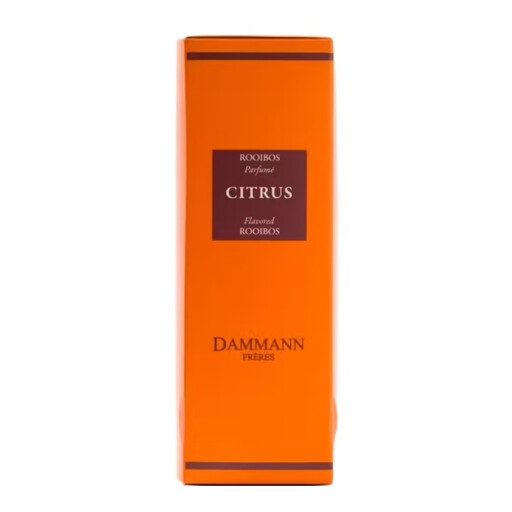 Image unavailable
For a freshly brewed cup after coffee, this rooibos infusion is described as caffeine-free.
The blend contains rooibos, bergamot peel, fruit flavourings and flower petals. Check the packaging for brewing instructions and the full ingredients list.
Image unavailable
This product is described as caffeine-free, making it an option for a rooibos infusion after your afternoon snack.
The listed ingredients include rooibos. Check the packaging for brewing instructions specific to this product.
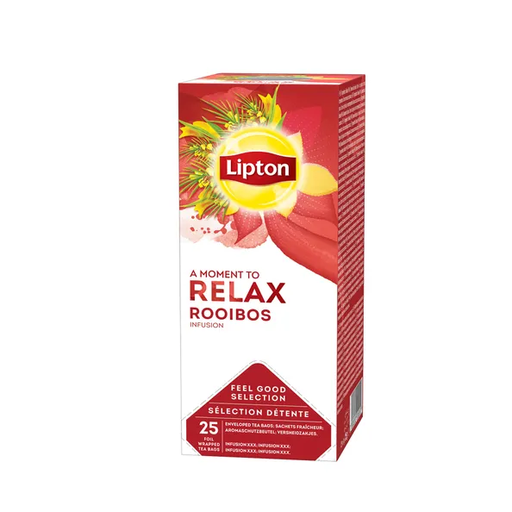 Image unavailable
If you’d prefer a cold drink after coffee, this mango rooibos infusion is described as caffeine-free.
The blend includes mango and lemongrass. Follow the packaging instructions for the amount of water and cold-brewing method.
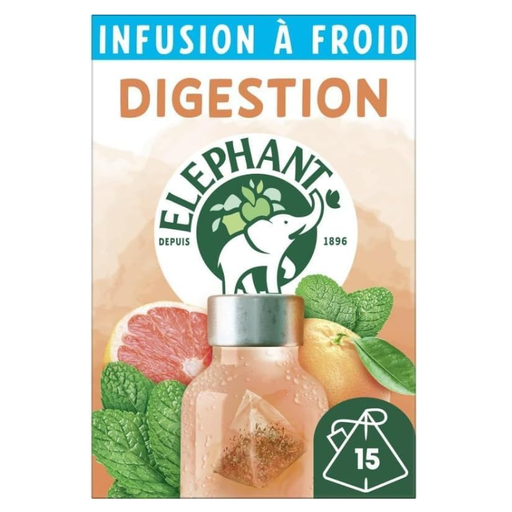 Image unavailable
This herbal and fruit infusion is described as caffeine-free and can be used to flavour cold water after your afternoon snack.
The blend includes mint, mulberry leaves, chicory and grapefruit. The instructions say to infuse for 5 minutes in 500 ml of cold water; ‘Digestion’ is part of the product name and doesn’t establish a medical effect.
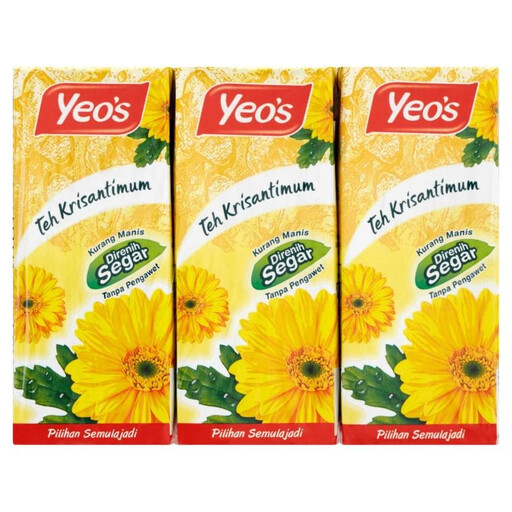 Image unavailable
If you’d rather have a ready-to-drink floral beverage than tea bags to brew, this chrysanthemum drink is described as naturally caffeine-free.
The listed ingredients include water, chrysanthemum flower extract and cane sugar. The nutritional information states that it contains 6 g of sugars per 100 ml; this isn’t a hot infusion that you prepare yourself.
No. The label alone doesn’t tell you what’s in the blend: one containing black, green or white tea will provide caffeine. If avoiding caffeine is your priority, read all the ingredients and look for an explicit label on the product you choose.
You could choose rooibos or a herbal infusion explicitly labelled caffeine-free, after checking the full blend. Anses notes that caffeine can delay falling asleep and reduce the length and quality of sleep.
No, follow the instructions for the product you choose. The Auchan listing for Jardin BiO étic rooibos recommends 200 ml of water at 95 °C and a 5-minute brew; these instructions don’t automatically apply to another product.
These claims aren’t enough to establish a medical benefit, so start by checking the ingredients of a herbal infusion. Plant-based food supplements are a separate category; Anses highlights possible interactions and contraindications for these products. Read their warnings and ask a healthcare professional for advice if needed.