Households avoiding caffeine in the evening
Looking for a mint drink that isn’t tea? Check the product name and ingredients: green mint tea still contains tea, even if it’s stocked alongside herbal infusions.


For a caffeine-free evening drink, choose an infusion labelled ‘caffeine-free’ or ‘theine-free’ rather than green mint tea: as Anses points out, tea naturally contains caffeine. When shopping for a large family, compare the number of tea bags and check the ingredients, especially for liquorice if the drink will be consumed regularly.
Looking for a mint drink that isn’t tea? Check the product name and ingredients: green mint tea still contains tea, even if it’s stocked alongside herbal infusions.
If several people regularly drink herbal infusions, the number of tea bags and availability at your chosen shop matter when planning your shopping.
Mint may be blended with liquorice, rooibos or hemp. Read the ingredients and check for any ‘may contain’ warnings before choosing a box for several people to share.
First, distinguish green tea from caffeine-free herbal infusions. Then choose a blend and pack size that suit your household.
| What to look for | What to check | Who it matters to |
|---|---|---|
| Caffeine-free | Look for ‘caffeine-free’ or ‘theine-free’ on the pack and check whether tea is listed in the ingredients. | If I want to avoid caffeine in my evening drink, a box simply labelled ‘mint’ isn’t enough. Around 36% of consumers would put this check first. |
| Family-size pack | Compare the number of tea bags in each box and check availability at your chosen shop or for your delivery option. | When several people regularly have a cup, I want to know how long a box is likely to last. Around 29% of consumers would make this a priority. |
| Minty blend | Read the list of herbs and check their percentages where these are shown on the pack. | If I’m mainly looking for mint, I prefer to distinguish a three-mint blend from one dominated by another herb. Around 21% of consumers would make the ingredients their main consideration. |
| Ingredient-related precautions | Look out in particular for liquorice, other herbs and any ‘may contain’ warnings on the pack. | When sharing a box at home, I need to take account of ingredients that call for particular care. Around 14% of consumers would put this need first. |
The word ‘mint’ doesn’t tell you whether a product contains tea. Lipton’s Thé Vert Deux Menthes contains green tea; Anses points out that tea naturally contains caffeine.
For a caffeine-free drink, check both the wording on the box and the ingredients list.
Carrefour states that its Classic’ Réglisse Menthe infusion contains 71.5% liquorice. Anses warns against high and repeated consumption of liquorice products, particularly for certain at-risk groups.
Check the proportion of liquorice and any warnings on the pack before making it a regular drink to share.
The products featured here don’t all come in the same size: a box of 20 tea bags will need replacing more often than a box of 25 if you drink them at the same rate.
Estimate how many cups your household expects to make and check that your chosen product is available.
A blend with this name may also contain other herbs. DIVIE’s Trois Menthes & Chanvre, for example, combines mint with hemp and rooibos.
Read the full ingredients list and check for any ‘may contain’ warnings that could matter to your household.
An option for households looking for a blend of several mints without tea.
A range to consider carefully, distinguishing mint on its own from blends that combine it with other herbs.
The brand offers both green mint tea and herbal infusions, so the blend’s name alone won’t tell you which is which.
A blend to consider if you’d prefer a rooibos and mint infusion rather than green tea.
A mint blend with other ingredients, for households that aren’t looking exclusively for a mint infusion.
These products let you compare hot infusions with a cold-brew option for mint drinks at home. Check the blend and preparation method for each one before you choose.
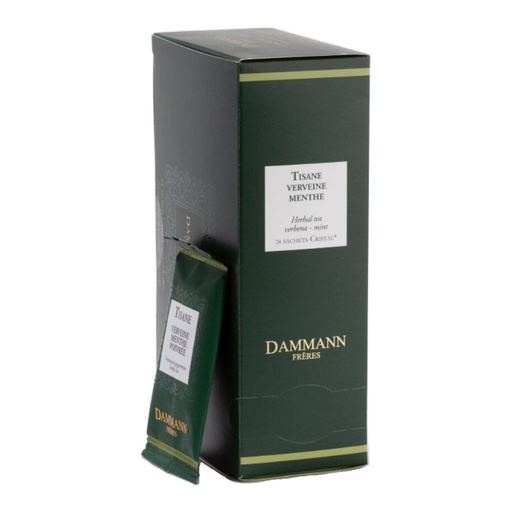 Image unavailable
If you’re looking for an infusion combining peppermint and verbena, check that you like the prominent role verbena plays in this blend.
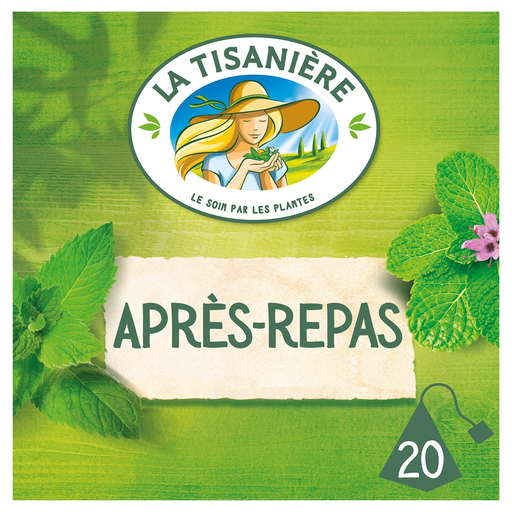 Image unavailable
If you’re considering this aniseed, mint and verbena infusion for your household, check the warnings on the pack: the blend also contains liquorice.
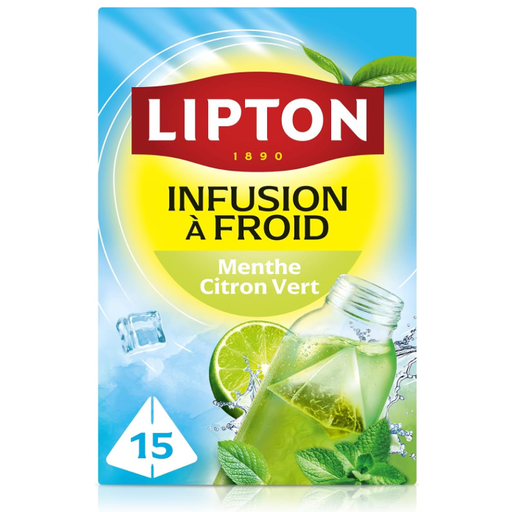 Image unavailable
This mint and lime preparation is designed for a cold drink, not a hot evening cup. Check that the preparation method and 15-bag box suit your household’s habits.
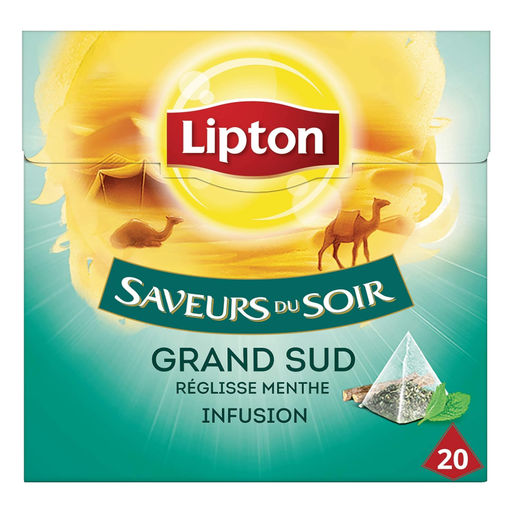 Image unavailable
If your household enjoys liquorice with mint, this box contains 20 tea bags. Check the warnings on the pack before drinking it regularly: Anses warns against high, regular intakes of liquorice.
No, not if avoiding caffeine is your priority: Anses points out that tea naturally contains caffeine. Lipton’s Thé Vert Deux Menthes, listed by Auchan, contains 60% green tea. Instead, look for an infusion explicitly labelled caffeine-free or theine-free, and check its ingredients.
Start by reading the product name and ingredients list to distinguish tea, mint and other herbs. Then check for any allergen or ‘may contain’ warnings relevant to your household, as well as the number of tea bags.
Not without checking who will drink it and how often. Anses says that high and repeated consumption of liquorice products can pose health risks, particularly for certain at-risk groups. Follow the warnings on the pack and seek professional advice if you have a specific medical condition.
Start with the number of cups your household expects to make and compare it with the number of tea bags per box. The products featured here include packs of 15, 20 and 24 tea bags; check that your chosen blend is available before stocking up.