If you’re serving friends a hot drink in the evening and they want to avoid caffeine, choose an infusion whose label confirms it is caffeine-free. If some guests prefer the taste of tea, decaffeinated tea may be a better fit, but it can still contain a small amount of caffeine: Carrefour’s listing for Lipton Thé du Soir decaffeinated tea states that it contains less than 0.1%. Either way, check the ingredients, particularly for liquorice.
Who are these drinks for?
Hosts avoiding caffeine in the evening
You’d like to offer a hot drink after coffee without serving caffeine. Check the label on your chosen infusion. If you opt for decaffeinated tea, check the stated residual caffeine content. The French Agency for Food, Environmental and Occupational Health & Safety (Anses) notes that caffeine can disrupt sleep.
Groups with different tastes
You’re looking for a range of flavours to share rather than just one recipe. Carrefour listings and the Twinings range feature infusions with different ingredients. Choose flavours by checking the ingredients, and don’t assume that all teas and infusions are caffeine-free.
Hosts mindful of liquorice
If any guests may need to take care with liquorice, check for it in the ingredients before serving. Anses warns of the risks associated with consuming large amounts of liquorice repeatedly, particularly for certain vulnerable groups.
What should you look for?
Caffeine-free infusion
Choose this if: your guests want to avoid caffeine and the packaging confirms that the recipe is caffeine-free.
Bear in mind: a herbal or fruit infusion won’t necessarily have the tea flavour some guests are looking for.
Decaffeinated tea
Choose this if: your guests care more about the taste of tea and are happy with the possibility of a small amount of caffeine remaining.
Bear in mind: ‘decaffeinated’ doesn’t mean ‘caffeine-free’; Carrefour’s listing for Lipton Thé du Soir decaffeinated tea states that it contains less than 0.1% caffeine.
| What to consider |
What to check |
Who is it for? |
| Caffeine-free |
The packaging and ingredients list; for decaffeinated tea, check the stated residual caffeine content. |
If I’m serving an evening drink to friends who want to avoid caffeine, this matters more than the flavour. Around 40% of consumers put being caffeine-free first. |
| Variety of flavours |
The herbs, fruit and flavourings in each recipe, rather than just its name. |
To cater for a group with different preferences, I want to be able to offer a range of flavours without making assumptions about the ingredients. Around 40% of consumers prioritise flavour variety. |
| Serving a group |
The number of tea bags and preparation instructions, particularly the water temperature. |
When several friends are choosing their own drink, I look for something that’s easy to prepare for the occasion. This is the top priority for around 20% of consumers. |
Mistakes to avoid
-
Confusing ‘decaffeinated’ with ‘caffeine-free’
Decaffeinated tea can still contain caffeine: Carrefour states that Lipton Thé du Soir decaffeinated tea contains less than 0.1%. This figure doesn’t apply to all decaffeinated teas.
If avoiding caffeine is essential, look for an explicit statement on the infusion you’re considering and check its ingredients.
-
Overlooking liquorice in an infusion
According to Anses, consuming large amounts of liquorice repeatedly can lead to hypokalaemia and high blood pressure. The agency highlights the need for particular care among pregnant or breastfeeding women, children and people with certain cardiovascular, kidney or liver conditions.
Read the ingredients and any warnings for the recipe. If you’re unsure whether any of your guests need to take precautions, have a liquorice-free infusion available too.
-
Taking a ‘sleep’ claim as a medical benefit
An infusion’s name or presentation doesn’t prove that it treats a medical condition. France’s Directorate-General for Competition Policy, Consumer Affairs and Fraud Control (DGCCRF) notes that health claims on food products are regulated.
Choose a drink for its taste and ingredients, and don’t present it as a treatment.
Brands and retailer to know
Lipton
Worth considering if some guests would rather keep the taste of tea than choose a herbal infusion.
- Carrefour’s listing for Lipton Thé du Soir decaffeinated tea states that it contains less than 0.1% caffeine and should be infused for 2 to 3 minutes in 200 ml of water at 100 °C.
- This information applies to this specific product; it doesn’t mean that other Lipton teas are decaffeinated.
Twinings
The Twinings France range includes black, green and flavoured teas, as well as several types of infusion. Choosing a flavour and choosing a caffeine-free drink require two separate checks.
- Joybuy’s listing for Twinings Honey Infusion includes ginger, lemongrass, spearmint and rosemary.
- This recipe also contains liquorice. Check the ingredients and caffeine information for each product you choose.
Carrefour
This retailer lets you browse listings for infusions and teas from different brands, making it easier to compare ingredients before friends come round for coffee.
- Its listings feature different recipes, including a verbena and citrus infusion and a decaffeinated tea.
- A product being listed as an infusion doesn’t confirm that it’s caffeine-free. Check its own product listing or packaging.
Infusions to consider for your guests
These products offer a range of flavours to enjoy with friends. If you want to serve a hot caffeine-free drink, check the packaging and preparation instructions: the Lipton Cold Infusion product below is designed to be brewed cold.
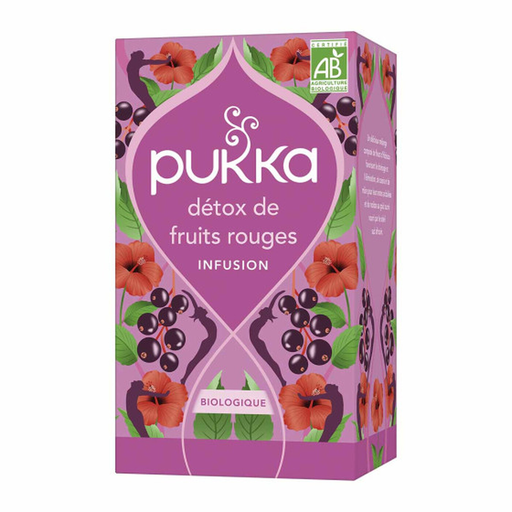 Image unavailable
Pukka Organic Red Fruits Detox herbal infusion, 34 g
Consider this if you’d like to offer a red berry flavour. Check the caffeine information on the packaging before serving it to guests who want to avoid caffeine. ‘Detox’ is part of the product name and isn’t a claim about its effects here.
View on Joybuy
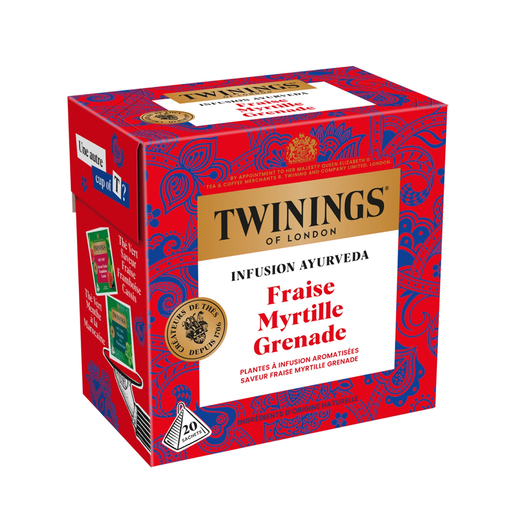 Image unavailable
Twinings Strawberry Blueberry Infusion x20
A flavour to consider if you’d like to offer the group a little variety. It contains liquorice, so check the precautions on the packaging, along with the caffeine information and preparation instructions before making it as a hot drink.
View on Joybuy
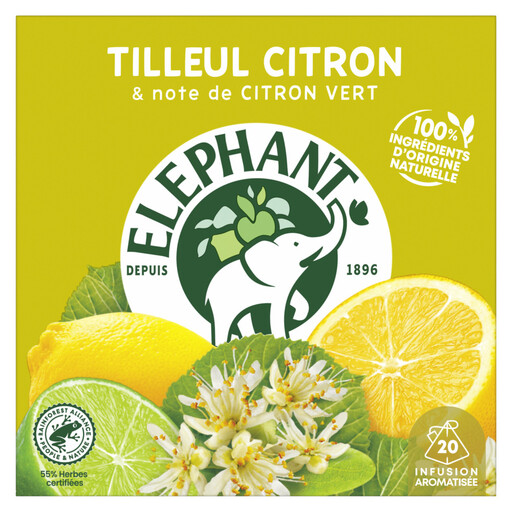 Image unavailable
Elephant Limeflower and Lemon Infusion x20, 28 g
Consider this if you’d like to add a limeflower and lemon option for your guests. Before serving it hot or relying on it to be caffeine-free, check the relevant information on the packaging.
View on Joybuy
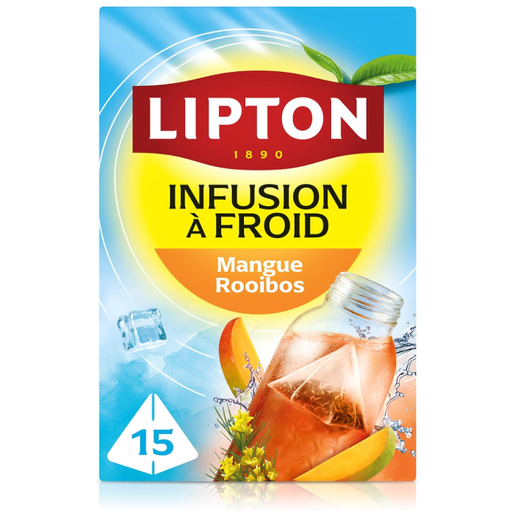 Image unavailable
Lipton Cold Infusion Rooibos Mango, 15 tea bags
This rooibos and mango infusion is suitable for your get-together only if you’re also offering a cold drink: the instructions specify cold brewing. If avoiding caffeine is essential for your guests, check the label.
View on Joybuy
Image unavailable
Twinings Honey Infusion 32 g
Consider this if you’d like to offer a recipe with notes of ginger and herbs. Joybuy’s listing includes 35% ginger, as well as lemongrass, spearmint, rosemary and liquorice. Check the precautions for liquorice, the caffeine information and the preparation instructions on the packaging.
View on Joybuy
Frequently asked questions
Are herbal infusions always caffeine-free?
Don’t rely on the word ‘infusion’ alone. Check the ingredients for your chosen recipe and look for an explicit statement that it’s caffeine-free. Carrefour’s listing for a Clipper infusion says ‘naturally caffeine-free’, while its listing for Lipton Thé du Soir decaffeinated tea states that it contains less than 0.1% caffeine.
What should I choose if my guests prefer the taste of tea?
Decaffeinated tea may suit them if they’re happy with the possibility of some caffeine remaining. Check the information for the specific product you choose rather than assuming it’s the same as an infusion explicitly labelled caffeine-free.
Why check whether an infusion contains liquorice?
Some guests may need to take care with liquorice. According to Anses, consuming large amounts repeatedly can lead to hypokalaemia and high blood pressure. The agency highlights particular sensitivity during pregnancy or breastfeeding, among children and in people with certain cardiovascular, kidney or liver conditions. Check the ingredients and have another recipe available if needed.
Can an infusion promoted for sleep replace a treatment?
No. An infusion shouldn’t be presented as a treatment for sleep problems. Choose it as a drink based on its taste and ingredients; DGCCRF notes that health claims on food products are regulated.


