Students looking to avoid caffeine
If you want a drink to go with lunch without choosing one that contains caffeine, start by checking the packaging and ingredients list. Anses notes that tea is one of the plants that naturally contains caffeine.


For lunch at uni, first choose an infusion whose packaging or product information explicitly states that it is caffeine-free. Then decide between pure verbena and blends based on your taste and their ingredients. A 100% verbena recipe is no substitute for that confirmation, and blends call for a careful check of the ingredients and warnings, particularly if they contain liquorice.
If you want a drink to go with lunch without choosing one that contains caffeine, start by checking the packaging and ingredients list. Anses notes that tea is one of the plants that naturally contains caffeine.
You’re adding a box of tea bags to your usual shop and want to compare pack sizes easily. The 100% verbena options from Carrefour and Auchan let you choose a single-ingredient recipe, but you should still check the caffeine information.
You might prefer notes of mint, citrus, ginger or fruit. In that case, read the full ingredients list: some recipes combine several plants and include specific warnings.
For a caffeine-free lunch break, first confirm this on the specific product, then choose the ingredients and pack size that suit your day.
| Criteria | What to check | Who it matters to |
|---|---|---|
| Caffeine-free | An explicit statement on the packaging or product information; check whether tea is listed among the ingredients. | Between lectures, I want to know whether my drink meets my preference for avoiding caffeine, rather than relying on the word “herbal tea” alone. Around 40% of consumers would put this confirmation at the top of their list of criteria. |
| Pack size for your shop | Number of tea bags, net weight and availability at your chosen shop. | If I’m adding a box to my usual shop, I want a pack size that suits the number of breaks I have planned. This would be a priority for around 30% of consumers. |
| Taste and ingredients | Plants and flavourings in the recipe; whether it contains liquorice and any related warnings. | After lunch, I prefer a fruity or minty flavour, while still knowing what’s in the blend. Around 30% of consumers would make their choice primarily based on taste and ingredients. |
These terms don’t give you the same information about the drink you’re choosing. Anses says tea naturally contains caffeine, so the name or appearance of a box alone doesn’t confirm that it’s caffeine-free.
Look for an explicit statement on the specific product and read its ingredients. For example, Carrefour’s product information for Clipper Verbena and Citrus says “naturally caffeine-free”.
A recipe may combine several plants. E.Leclerc displays a warning for people with high blood pressure on its Tisea after-meal infusion, which contains liquorice.
Read the ingredients and warnings for the product before choosing it. If you have a personal health question related to high blood pressure, ask a healthcare professional for advice.
The number of tea bags and the net weight vary from one product to another, so a box may not provide enough for the number of breaks you have planned.
Compare both details on the packaging when you’re planning your weekly shop.
Carrefour offers a verbena infusion in a box of 25 tea bags, each weighing 1.3 g, made from 100% verbena.
Auchan describes its organic verbena infusion as a box of 20 tea bags, with a net weight of 26 g.
E.Leclerc’s range includes a plain verbena infusion and an after-meal blend made with several plants.
Twinings France offers infusions with combinations such as mint, fig, lemon and ginger, or lemon balm, peach and orange blossom.
This selection includes infusions to prepare and a ready-to-drink option for a break at uni. Check the pack size, ingredients and caffeine information for each product; a ready-to-drink option isn’t chosen in the same way as a box of tea bags.
 Image unavailable
Worth considering if you’d like to prepare an infusion to go with lunch. This 40 g product contains liquorice, so read the ingredients and warnings before choosing it.
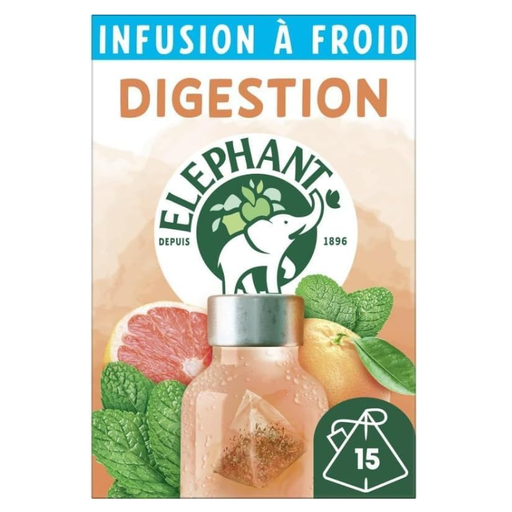 Image unavailable
Consider this if you’d rather prepare a cold infusion to take with you. The box contains 15 tea bags; check the preparation instructions for this product when planning your break.
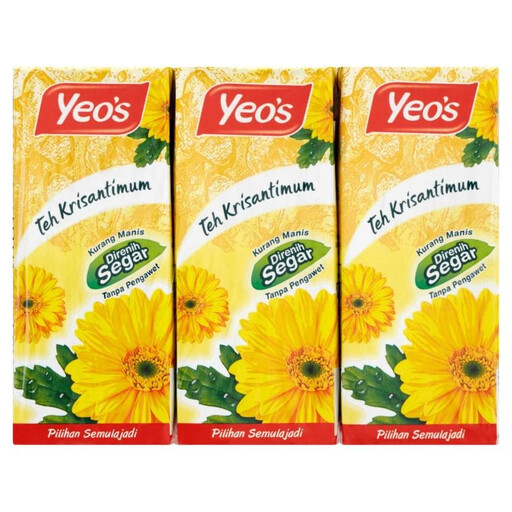 Image unavailable
Consider this if you’d like to take a ready-to-drink beverage with you rather than infuse a tea bag on the spot. The pack contains six 250 ml containers; compare its ingredients list and nutritional information with those of infusions you prepare yourself.
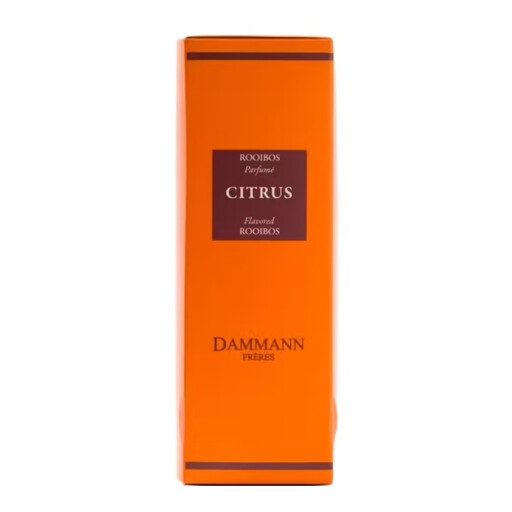 Image unavailable
Consider this if you’re looking for a citrus rooibos in tea bags for your lunch break. This variety contains 24 tea bags and weighs 48 g; check the ingredients list, warnings and preparation instructions on the packaging.
No. Check that the specific product you choose is explicitly labelled caffeine-free. Anses notes that tea naturally contains caffeine. For comparison, Carrefour’s Clipper Verbena and Citrus infusion is labelled “naturally caffeine-free”.
Read the ingredients list, net quantity, preparation instructions and any warnings. If avoiding caffeine is the reason for your choice, look for a statement confirming this too. DGCCRF says food labelling must be legible, written in at least French and not misleading.
Choose plain verbena if you prefer a short ingredients list; Carrefour Classic’ and Auchan Bio each offer a 100% verbena product. If you’d rather have a blend of flavours, read the full ingredients list and any warnings: the Tisea after-meal recipe offered by E.Leclerc contains liquorice, among other ingredients. Either way, check separately that it’s caffeine-free if this is essential to you.
Yes. Follow the instructions for the product you’ve chosen, and check its guidance if you plan to drink it cold. For its Digestion infusion, Twinings France recommends steeping it hot for five minutes in 250 ml of water at 100 °C. These instructions don’t apply to all infusions.