For a warming evening drink, choose an infusion whose specific variety is clearly labelled ‘caffeine-free’ or ‘naturally caffeine-free’, rather than relying on its flavour or name. If you’re shopping with diabetes in mind, check the ingredients and nutritional information too, and consider what you add to your cup. Some plants, including liquorice, may need particular attention depending on your circumstances; herbal tea is not a substitute for treatment.
Who are these criteria for?
Anyone looking to avoid caffeine in the evening
If you’re swapping a late-night tea or coffee for an infusion, check the label for the specific variety you’ve chosen. The French Agency for Food, Environmental and Occupational Health & Safety (Anses) says caffeine can delay falling asleep and reduce sleep duration or quality.
Anyone keeping an eye on sugar in their drinks
When shopping with diabetes in mind, the ingredients list and nutritional information can help you compare recipes. The French National Health Insurance Fund recommends checking food labels; remember to factor in anything you add to your cup, too.
Anyone who needs to watch out for certain plants
The ingredients matter just as much as the name of the herbal tea. According to its E.Leclerc product listing, a Tiséa infusion containing liquorice carries a warning for people with high blood pressure.
What should you check before choosing?
For an evening drink bought as part of a shop with diabetes in mind, start by checking the caffeine content and ingredients, then look at the nutritional information and choose a format that suits your shopping needs.
| Criterion |
What to check |
Who is it for? |
| Caffeine in the evening |
Look for a clear ‘caffeine-free’ or ‘naturally caffeine-free’ statement on the specific variety, and check its ingredients. |
If I drink an infusion before bed, I want to be able to confirm that it contains no caffeine. Around 38% of consumers make this their top check. |
| Sugars and additions |
Compare the ingredients, carbohydrates and sugars per 100 ml of prepared drink, where these values are shown on the label; remember to account for anything you add to your cup. |
For an everyday unsweetened drink, I look at the recipe as well as what I add to it. Keeping sugar in check is the top priority for around 23% of consumers. |
| Plants and precautions |
Read the full list of plants, particularly if you need to watch your liquorice intake or take medication. |
If certain ingredients may require caution in my situation, I want to spot them before I buy. The ingredients come first for around 23% of consumers. |
| Format and availability |
Check the number of tea bags, the net weight and availability at your chosen retailer. |
When planning my regular shop, I look for a convenient format that’s easy to find again. Around 16% of consumers put this first. |
Common pitfalls to avoid
-
Confusing herbal tea with decaffeinated tea
Tea naturally contains caffeine, and a drink’s name or flavour alone doesn’t confirm that it’s caffeine-free. Anses notes that caffeine can disrupt sleep.
If you’re drinking it in the evening, look for a caffeine statement on the exact product and check the ingredients again.
-
Assuming a fruity flavour means a sugar-free drink
The flavour tells you nothing about the sugars in the prepared infusion or anything added afterwards. The French National Health Insurance Fund advises checking ingredients and nutritional information when shopping with diabetes in mind.
Compare the carbohydrate and sugar values on the same basis, then take into account any sugar, honey or syrup you add to your cup.
-
Overlooking liquorice in a blend
The E.Leclerc listing for a Tiséa infusion containing liquorice advises people with high blood pressure to avoid excessive consumption.
Check the exact recipe. If this precaution applies to you and you’re unsure, ask a healthcare professional for advice.
-
Expecting herbal tea to affect diabetes
A ‘detox’ or ‘wellbeing’ claim doesn’t make an infusion a treatment. Diabetes UK says herbal remedies should not replace diabetes treatment.
Choose your drink based on its ingredients and your preferences, and don’t change your treatment because of a claim on the packaging.
Brands to consider, depending on the recipe
Lipton
The Infuse à froid Grenade Hibiscus variety is designed to be made with cold water, rather than as a traditional hot herbal tea.
- Auchan’s listing describes this variety, prepared with 500 ml of cold water, as ‘caffeine-free’.
- This claim and preparation method don’t automatically apply to other Lipton products.
Twinings
The range includes a Relaxation Mélisse, Pêche & Fleur d’Oranger infusion, with ingredients listed by Twinings France.
- Twinings France recommends preparing this recipe with 250 ml of water for 5 minutes.
- If avoiding caffeine is your main priority, confirm this on the packaging of the variety you choose.
Tiséa
Tiséa’s range includes an ‘after meals’ infusion, available from E.Leclerc in a box of 25 tea bags.
- For this variety, E.Leclerc states that the prepared drink contains 0.4 g of sugars per 100 ml.
- The recipe contains liquorice. Its product listing advises people with high blood pressure to avoid excessive consumption.
Clipper
Attrape Rêves infusion combines cinnamon, chamomile, lemon balm and rooibos, among other ingredients.
- Auchan’s listing describes this recipe as naturally caffeine-free and states that it contains 0 g of sugars per 100 ml.
- Check each Clipper recipe separately: ingredients and claims can vary.
Infusions to explore on Joybuy
This selection includes rooibos infusions in tea bags and two drinks designed to be made with cold water. If you’re specifically looking for a hot herbal tea for the evening, check the preparation method before choosing, and look for claims relating to the specific variety on its packaging.
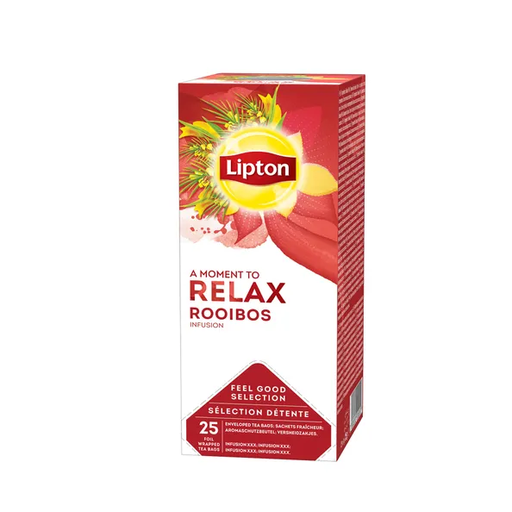 Image unavailable
Lipton Feel Good Selection Rooibos, 25 tea bags
This rooibos tea-bag format may suit you if you’re looking for an evening infusion. Check the caffeine statement, and compare the sugars listed for the prepared drink with the amount you actually drink.
View on Joybuy
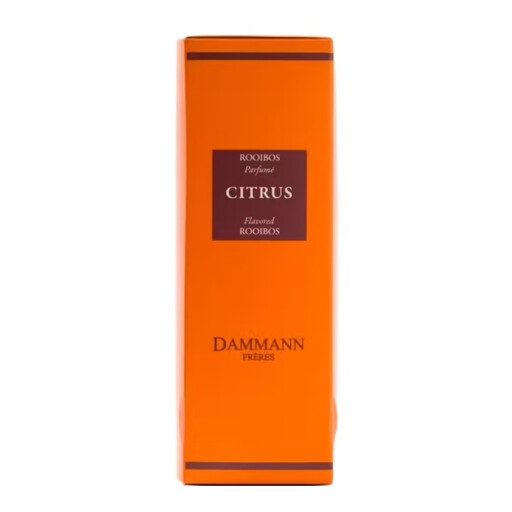 Image unavailable
DAMMANN FRERES Citrus Rooibos, 24 tea bags, 48 g
This citrus rooibos infusion is worth considering if you’d like to vary the flavours in your evening drink. Check the caffeine statement and ingredients; if you’re allergic to citrus, make sure the recipe is suitable for you.
View on Joybuy
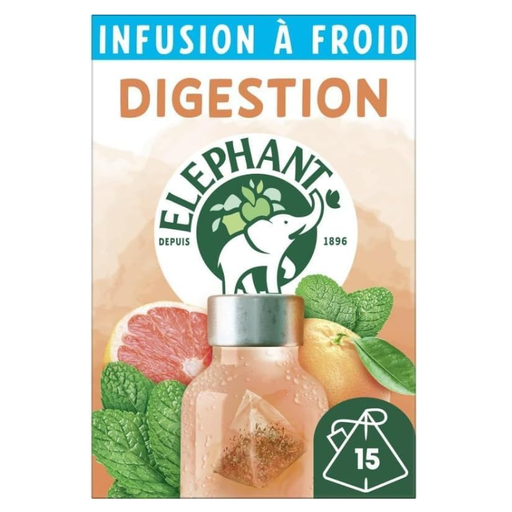 Image unavailable
ELEPHANT Cold Brew Digestion, 15 tea bags
This cold-brew variety is better suited to anyone looking for a refreshing evening drink than to those after a hot herbal tea. Check the packaging for the amount of water to use when preparing it.
View on Joybuy
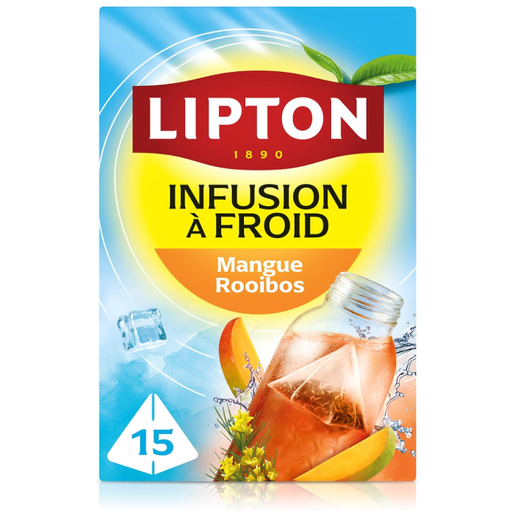 Image unavailable
Lipton Cold Infusion Rooibos Mango, 15 tea bags
This cold-brew rooibos is a good choice if you prefer flavoured water, rather than a hot drink. Check the caffeine and sugar statements for this variety, as well as the preparation instructions.
View on Joybuy
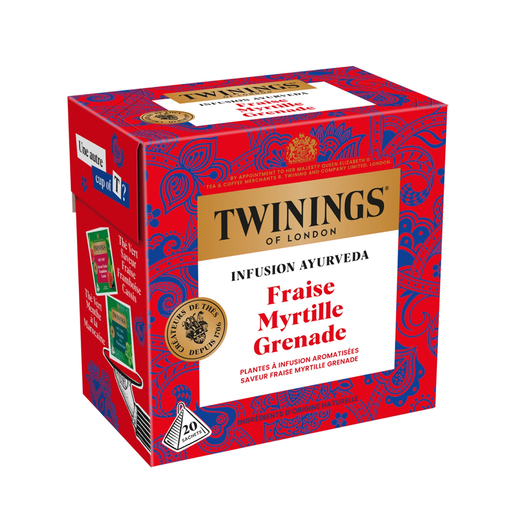 Image unavailable
TWININGS Strawberry Blueberry Infusion, 20 tea bags
This fruity tea-bag infusion is worth considering for an evening drink if the variety you choose is labelled caffeine-free. Check the ingredients too, particularly for liquorice if you need to take care with this ingredient, and read the nutritional information.
View on Joybuy
Frequently asked questions
Is herbal tea always caffeine-free?
Don’t assume this is true for a particular product: look for a clear statement on the packaging and check the ingredients. Tea naturally contains caffeine, which Anses says may affect sleep.
Can herbal tea lower blood glucose?
Don’t choose an herbal tea as a way to treat diabetes. Diabetes UK says herbal remedies don’t replace the treatment plan agreed with your healthcare team.
What should you look for on an infusion label when shopping with diabetes in mind?
Read the ingredients and, where provided, the carbohydrate and sugar values per 100 ml of prepared drink. The French National Health Insurance Fund recommends checking food labels; then consider how much you drink and what you add to your cup.
Should you avoid all herbal teas containing liquorice?
The precaution depends on the recipe and your circumstances, so start by checking the ingredients list. For a Tiséa infusion containing liquorice, E.Leclerc advises people with high blood pressure to avoid excessive consumption. If needed, ask for advice tailored to your circumstances.


