Older people who want to protect their sleep
If you want to avoid caffeine in your evening drink, look for an explicit label on the product you choose. Anses states that caffeine can delay falling asleep and reduce the length and quality of sleep.


For an evening drink for an older person, choose a product explicitly labelled “caffeine-free” or “theine-free”: the flavour of a tea does not tell you whether it is a caffeine-free infusion. Plain rooibos may be a good option if you want a short ingredient list. For a herbal or fruit blend, check the ingredients too, particularly for liquorice if you have high blood pressure or take medication.
If you want to avoid caffeine in your evening drink, look for an explicit label on the product you choose. Anses states that caffeine can delay falling asleep and reduce the length and quality of sleep.
An infusion you enjoy can add variety to the drinks you have throughout the day. Manger Bouger points out that thirst can become less noticeable with age, particularly after 75; always follow any personal advice to limit your fluid intake.
The ingredients matter just as much as the absence of caffeine. Anses highlights the risks of consuming large amounts of liquorice repeatedly, as well as interactions with certain medicines. If a blend contains liquorice, ask for advice before making it a regular drink.
When choosing an evening infusion, first check that the specific product is labelled “caffeine-free”, then consider whether its flavour and ingredients are right for the person who will drink it. Decaffeinated tea, plain rooibos and herbal blends shouldn’t be chosen by name alone: the product label is what matters.
| Criteria | What to check | Who is it for? |
|---|---|---|
| Caffeine-free | Look for “caffeine-free” or “theine-free” on the specific product and read its ingredients, even if it is flavoured tea or a rooibos blend. | If I have a cup in the evening, I want to avoid accidentally choosing a drink that contains caffeine. Around 42% of consumers rank being able to verify that it is caffeine-free as their main priority. |
| Flavour and ease of preparation | Choose a flavour you enjoy and a format that’s easy to prepare. For a cold infusion, follow the quantity of water specified for that recipe. | If I don’t often feel like drinking, a flavour I enjoy helps me make it part of my routine. For around 33% of consumers, enjoying a drink they can have regularly is the priority. |
| Ingredients | Read the full ingredients list, paying particular attention to liquorice. If you take medication or have a chronic condition, seek advice before using it regularly. | If my health or medication means I need to take precautions, I want to know what’s in every blend. For around 25% of consumers, ingredient suitability comes before all other criteria. |
A fruit or mint flavour doesn’t tell you how much caffeine the tea contains. According to Anses, caffeine can make it harder to fall asleep and affect sleep quality.
For an evening cup, check that the box or product listing explicitly says “caffeine-free” or “theine-free”.
A name that suggests sleep or digestion describes how a blend is positioned, not a treatment. It also doesn’t mean you can skip checking the herbs it contains.
Choose based on flavour and ingredients. If sleep problems or difficulty staying hydrated persist, seek medical advice rather than trying more blends.
Anses links high, repeated liquorice consumption with risks of hypokalaemia and high blood pressure, and also reports interactions with certain medicines.
Check the ingredients list. If you have high blood pressure, cardiovascular, kidney or liver disease, or take regular medication, ask a healthcare professional for advice before drinking liquorice infusions frequently.
Even if the ingredients meet your criteria, you may not enjoy the flavour, leaving you with unused tea bags.
Start with a pack that lets you try the recipe, and follow the preparation instructions on the packaging.
Lipton offers teas and infusions, including some products described as caffeine-free.
Twinings France offers herbal and fruit infusions in a range of flavours and for different occasions.
Carrefour France lists a Kroon rooibos infusion in a box of 20 tea bags.
Auchan France lists an Éthi'quable rooibos in a box of 20 tea bags, or 40 g.
E.Leclerc lists a Bio Village verbena and mint infusion, among others, in a box of 20 tea bags.
These products include a rooibos and herbal or fruit infusions to consider for an evening drink. Before choosing, compare each product’s caffeine information, ingredients and preparation instructions.
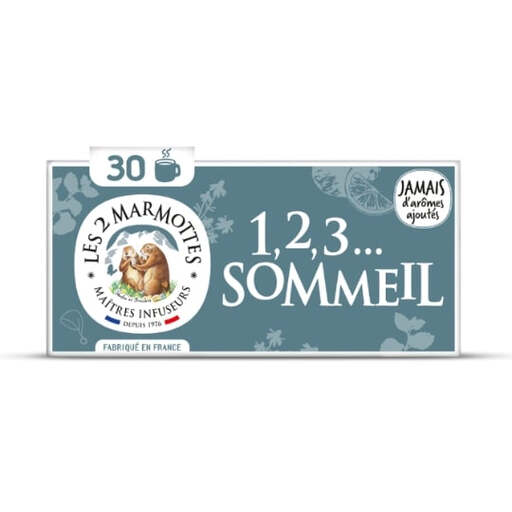 Image unavailable
A herbal infusion to consider if you’d like more variety in your evening drinks. The pack contains 30 tea bags; check the packaging for the ingredients, caffeine information and preparation instructions. The name “Sleep” doesn’t demonstrate an effect on sleep.
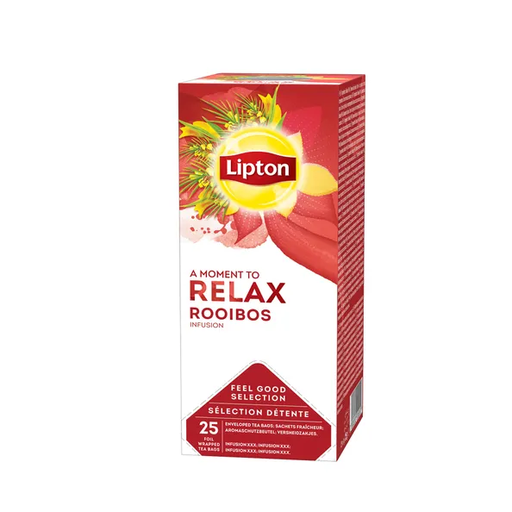 Image unavailable
This rooibos may suit you if you’re looking for an evening drink described as caffeine-free: the Joybuy France listing says so. The pack contains 25 tea bags; follow the preparation instructions on the packaging.
 Image unavailable
An option to consider if you prefer chamomile to a flavoured blend. The box contains 21 tea bags and weighs 42 g; check the packaging for the ingredients, caffeine information and preparation instructions.
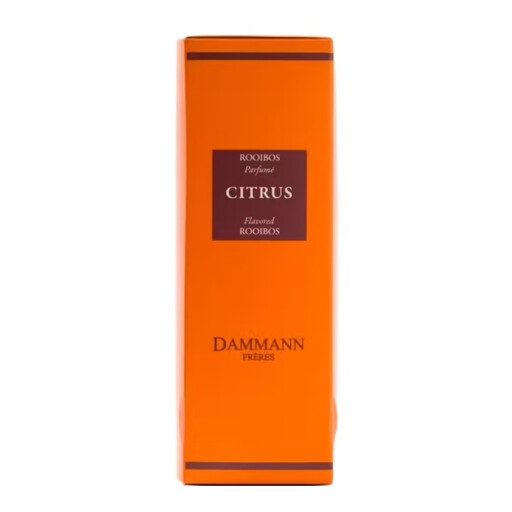 Image unavailable
This citrus rooibos is for anyone who prefers a fruity flavour to plain rooibos. The pack contains 24 tea bags and weighs 48 g; as it’s a blend, read the full ingredients list and preparation instructions.
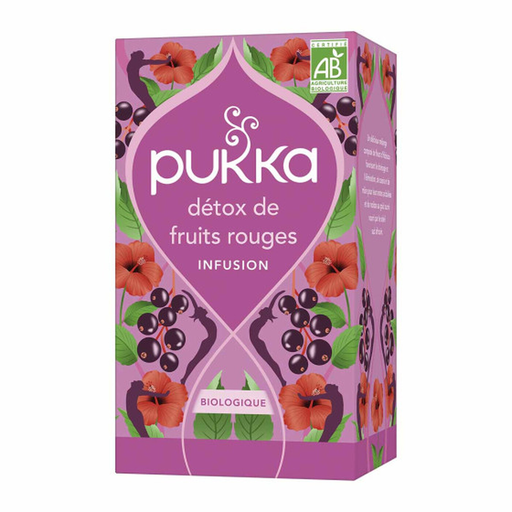 Image unavailable
This fruit infusion may appeal if you’re looking for a different flavour for your evening drinks. The listed pack size is 34 g; check the packaging for the ingredients and caffeine information. “Detox” is part of the product name and doesn’t demonstrate a health benefit.
Don’t assume this is true of every blend: check that the product you choose is explicitly labelled “caffeine-free” or “theine-free”. Carrefour France describes its Kroon rooibos as caffeine-free, while Auchan France says its Éthi'quable rooibos is theine-free.
Yes, an infusion can be one of the drinks you have throughout the day. Manger Bouger notes that thirst can become less noticeable after the age of 75. If a healthcare professional has advised you to limit your fluid intake, follow that personal advice.
Don’t make it a regular drink without first asking a healthcare professional for advice. Anses says that consuming large amounts of liquorice repeatedly can lead to high blood pressure and also describes interactions with certain medicines, so check the ingredients in every blend.
Check the caffeine information, the full ingredients list and the preparation instructions for the specific product. Pay particular attention to ingredients that require precautions in your circumstances, and follow the water quantity and steeping time shown on the packaging.