Anyone looking for a caffeine-free evening drink
You want to avoid tea leaves and choose a herbal infusion or rooibos after checking its ingredients and labelling.


For your first evening hot drink, start with a herbal infusion or rooibos whose ingredients and “caffeine-free” labelling meet your needs. If you’re specifically after the taste of tea, choose a product labelled “decaffeinated”, but don’t mistake this for a guarantee that it contains no caffeine at all. In any case, check the ingredients: a name such as “wellbeing” or “evening” doesn’t tell you what’s in the blend.
You want to avoid tea leaves and choose a herbal infusion or rooibos after checking its ingredients and labelling.
You want a box that’s easy to add to your usual shopping, in a format and pack size that suit how you’ll use it.
You want to identify every plant in a blend, particularly liquorice. Anses advises caution with high, repeated consumption of liquorice, and for certain groups of people and those taking some medicines.
Choose this if: you want a blend without tea leaves, perhaps made with just one plant, such as verbena.
Bear in mind: a herbal infusion won’t necessarily taste like tea; check the ingredients in every blend.
Choose this if: you’re looking for a drink that’s different from tea, either plain or blended with other ingredients. Carrefour lists one rooibos product as caffeine- and theine-free.
Bear in mind: a rooibos-based blend may contain other plants or flavourings; its name doesn’t tell you everything that’s in it.
Choose this if: you prefer the taste of tea to herbal tea or rooibos.
Bear in mind: the tea plant naturally contains caffeine, as the European Food Safety Authority points out. Check that the specific product is labelled “decaffeinated” and don’t treat this as the same as “caffeine-free”.
Once you’ve chosen the type of drink, the ingredients and pack size can help you narrow down the options for your first food shop.
| What to consider | What to check | Who is it for? |
|---|---|---|
| Caffeine | The product name, whether it says “caffeine-free” or “decaffeinated”, and the ingredients list. | If I want to avoid caffeine in the evening, I need to be able to tell the difference between an infusion without tea leaves and decaffeinated tea; around 36% of consumers prioritise this distinction. |
| Flavour | Whether it’s a single-plant infusion or a blend, and which ingredients give the drink its character. | To find an evening drink I’ll enjoy, I’d rather know whether I’m buying verbena, rooibos or a fruity blend; flavour would be the top priority for around 29% of consumers. |
| Pack size and availability | The number of tea bags, net weight and whether the product is available at your chosen shop or Drive service. | When I’m putting together my first food shop, I want to choose a useful pack size and find it at my collection point; around 21% of consumers would prioritise this. |
| Ingredients to avoid | The full list of plants, particularly liquorice in evening blends. | If I need to keep an eye on my liquorice intake, the ingredients matter more than the name of the infusion; this would be the main concern for around 14% of consumers. |
These drinks aren’t the same thing: tea comes from the tea plant, whose leaves naturally contain caffeine, according to the European Food Safety Authority. The word “infusion” on a box doesn’t tell you what the ingredients are.
Read the product name and ingredients. If you want tea, look for “decaffeinated” on the product you choose; if you want to avoid caffeine, look for a relevant claim and check the ingredients.
Herbal blends may contain liquorice. Anses highlights the risks associated with high, repeated consumption, particularly for certain groups and when taking some medicines.
Check the ingredients list for liquorice and consider your other sources of it. If you have a medical condition or take medication, ask a healthcare professional for advice before consuming it regularly.
A product name doesn’t confirm that it’s caffeine-free or that it will help you sleep. Two blends with similar names may contain different plants.
Choose according to what you need, then check the ingredients and brewing instructions on the box you select.
Kusmi Tea lists AquaSummer as an organic fruit infusion with no theine.
Auchan lists a Lipton “Evening Flavours” infusion with liquorice and mint.
Carrefour lists several rooibos products, including one described as caffeine- and theine-free and an Alter Eco rooibos made with rooibos.
The Bio Village range includes verbena and mint infusions, as well as evening blends; one recipe listed by E.Leclerc contains rooibos and liquorice.
Auchan says its Auchan Bio verbena infusion contains only organic verbena; the retailer also lists herbal blends.
This selection includes rooibos, fruity infusions and herbal blends for a hot drink without tea leaves. For your first order, decide whether you’d prefer a simple recipe or a blend, then check the label if avoiding caffeine or a particular ingredient is important to you.
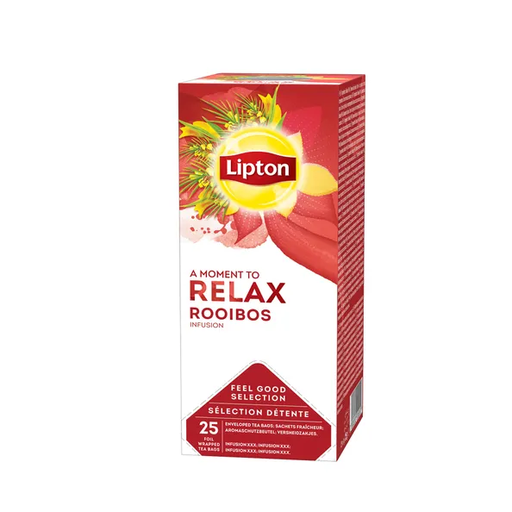 Image unavailable
A rooibos in tea bags to consider if you prefer this plant to a blend of several flavours.
The description says it’s caffeine-free; check this claim on the label you receive if you need to avoid caffeine completely.
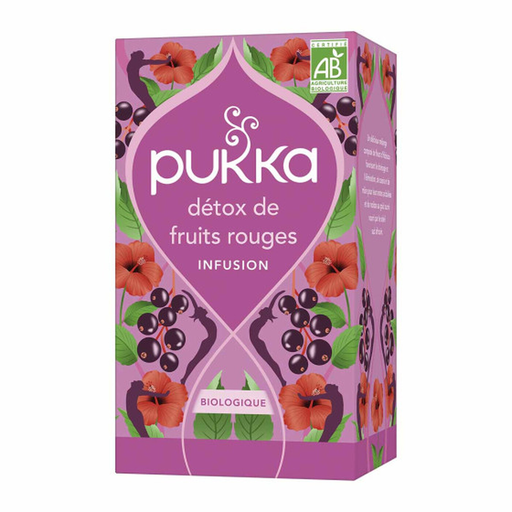 Image unavailable
This infusion combines rooibos, hibiscus and fruit for anyone who prefers a fruity blend.
The description says it’s caffeine-free. The word “Detox” in its product name doesn’t prove any health benefit; check the ingredients on the packaging.
 Image unavailable
This spiced infusion is a good choice if you’re after a ginger blend rather than a fruity one.
It contains liquorice: Anses advises caution with high, repeated consumption, and for certain groups of people and those taking some medicines. The product listing describes it as naturally caffeine-free; check the label if this is important to you.
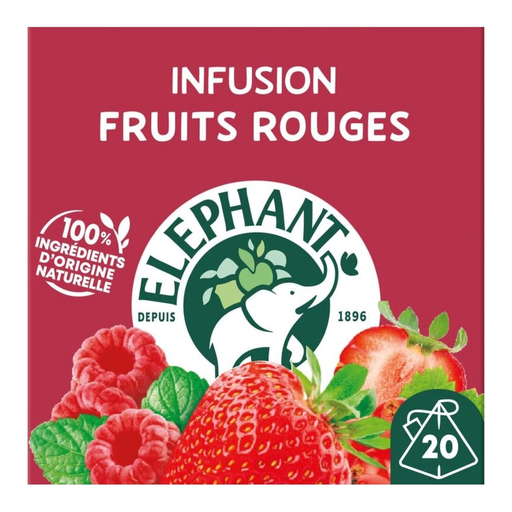 Image unavailable
This fruit and herbal infusion is for anyone looking for a raspberry and mint combination.
The pack contains 20 tea bags and weighs 40 g. The description says it’s caffeine-free; check the claim and ingredients on the packaging if you need to avoid caffeine completely.
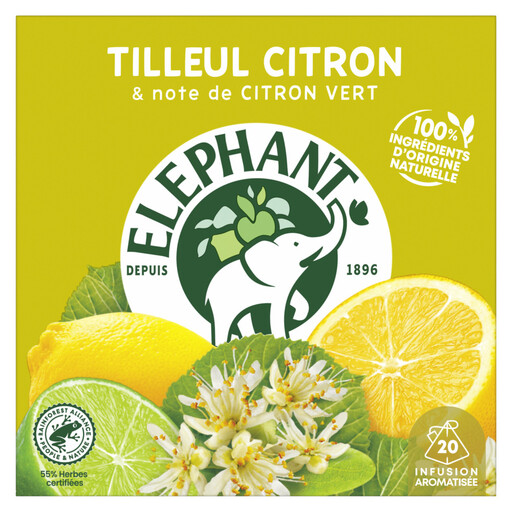 Image unavailable
This limeflower and citrus infusion offers another option for a drink without tea leaves.
The pack contains 20 tea bags and weighs 28 g. The description says it’s caffeine-free; check the box label if you need to avoid caffeine completely.
No: this name alone doesn’t tell you what’s in the drink. The tea plant naturally contains caffeine, according to the European Food Safety Authority, so check the product name, ingredients and any “caffeine-free” or “decaffeinated” claim on the product you choose.
Start by choosing according to the flavour you’re after and the ingredients you want to see on the box. Auchan lists an infusion containing only organic verbena, while Carrefour lists rooibos products, including one described as caffeine- and theine-free. Follow the preparation instructions for the product you choose.
No, but you should check for liquorice and consider how often you consume it. Anses highlights risks associated with high, repeated consumption, and advises particular caution for pregnant or breastfeeding women, children, people with certain cardiovascular, kidney or liver conditions, and those taking some medicines. If you’re unsure because of your circumstances or medication, ask a healthcare professional for advice.
Read the product name, ingredients list, declared allergens, net quantity and preparation instructions. For prepacked foods sold in France, the DGCCRF highlights, among other things, requirements for providing information and making labels legible; the product name is no substitute for the ingredients list.