Hosts who want to check it’s caffeine-free
You’re welcoming guests with different preferences and want a drink whose product details or packaging clearly says ‘caffeine-free’.


For a brunch where you’d like to offer a caffeine-free drink, start by looking for a product labelled ‘caffeine-free’, then check the ingredients. Plain rooibos with a single ingredient makes this easy; flavoured rooibos offers a different taste, while herbal tea intended to be served cold requires you to check both its ingredients and preparation instructions.
You’re welcoming guests with different preferences and want a drink whose product details or packaging clearly says ‘caffeine-free’.
You’d like to serve something with a hint of vanilla, fruit or flowers alongside brunch, rather than offering only plain rooibos. Remember to check the ingredients for each blend.
You read the full list of plants and flavourings, particularly if the drink will be served regularly or if the presence of liquorice is an important factor in your choice.
First, choose a product explicitly labelled caffeine-free. Then compare the blends by their ingredients, flavour and how you’d like to serve them.
Consider it: if you prefer a short ingredients list; the Ethiquable and Jardin BiO étic products described by Auchan list rooibos as the only ingredient and are labelled ‘caffeine-free’.
Bear in mind: its flavour is different from that of a fruity or floral blend.
Consider it: if you’re looking for a hint of vanilla, for example; Carrefour describes a vanilla rooibos labelled ‘caffeine-free’.
Bear in mind: you’ll need to read the full recipe, including the flavourings, and check that the product you’ve chosen is available.
Consider it: if you’d like the option of serving it hot or cold; Twinings gives instructions for both ways to serve its elderflower, raspberry and hibiscus blend.
Check: this blend contains liquorice and the product details consulted don’t explicitly state that it is caffeine-free. Don’t choose it for a strictly caffeine-free selection without checking the exact product.
| Criterion | What to check | Who is it for? |
|---|---|---|
| Caffeine-free | Look for a ‘caffeine-free’ label and check the ingredients. According to Anses, black, green and white tea leaves naturally contain caffeine. | If I’m planning to have another cup later in the day, I want to be able to check this rather than relying on the drink’s name alone. Around 36% of consumers would put this at the top of their list of criteria. |
| A flavour to share | The base of the blend and the ingredients or flavourings that give it its taste. | For a table of guests with varied tastes, I’m looking for a flavour I’ll enjoy serving with brunch. Taste would be the main criterion for around 29% of consumers. |
| Ingredients | Check whether it contains liquorice and read the full list of plants, especially if you plan to serve the same drink regularly. | When a blend contains several plants, I prefer to know exactly what’s in it before serving it often. This would be a priority for around 21% of consumers. |
| Serving hot or cold | The preparation instructions and, for cold drinks, any storage guidance for the product you’ve chosen. | If brunch goes on for a while, I’d like the option of preparing a drink that’s suitable to serve cold. Around 14% of consumers would make this flexibility their top criterion. |
A mint or fruity flavour doesn’t change the fact that a drink is made with tea leaves. According to Anses, black, green and white tea naturally contain caffeine.
For a caffeine-free selection, look for an explicit claim on the product and check its ingredients.
Words such as ‘digestion’, ‘detox’ or ‘relaxation’ in a product name don’t prove that it has a medical effect.
Choose based on the ingredients, flavour and directions for use, rather than on an effect suggested by the name.
Some flavoured blends contain liquorice. Anses warns of risks linked to high and repeated consumption, particularly for people who are sensitive to it.
Check the ingredients before serving a liquorice blend regularly; if you have a particular health concern, ask a healthcare professional for advice.
A product page may describe a blend even when it isn’t available through your chosen way of shopping.
Check availability before planning what to serve, and have another caffeine-free option that meets your criteria in reserve.
The brand offers herbal blends with plant-based and fruity ingredients, some of which include instructions for serving hot or cold.
The retailer lists, among other things, a vanilla rooibos product labelled ‘caffeine-free’.
The retailer’s product pages let you compare plain rooibos products labelled caffeine-free.
The retailer stocks a range of herbal teas and infusions, including blends made with plants or rooibos.
These options include herbal teas to prepare cold, rooibos tea bags and a ready-to-serve chrysanthemum drink. The latter isn’t an infusion; first decide how you’d like to serve your drink, then check the caffeine-free claim and the label of the product you choose.
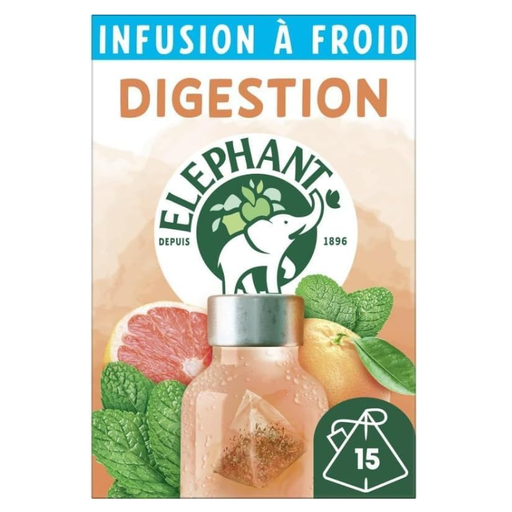 Image unavailable
A mint and grapefruit-flavoured cold infusion to serve at brunch. The product page says it’s caffeine-free; ‘Digestion’ is part of the product name and isn’t proof of an effect.
The preparation instructions are for a cold drink. If you’d also like to serve it hot, check the directions on the packaging.
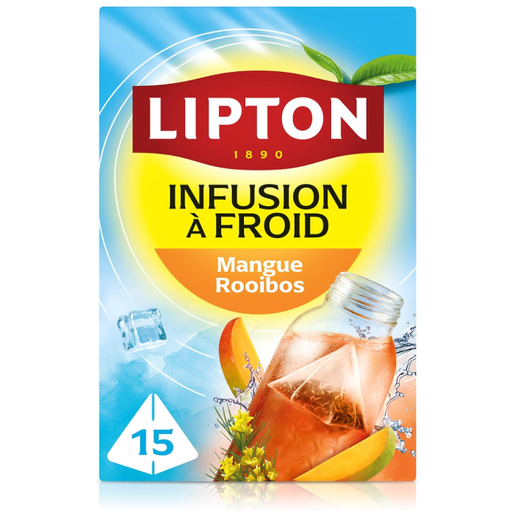 Image unavailable
A mango rooibos to prepare cold and share at brunch. The product page says it’s caffeine-free.
Check the amount of water on the packaging before preparing it: the product page gives conflicting instructions. If you’re considering serving it hot, check the product instructions too.
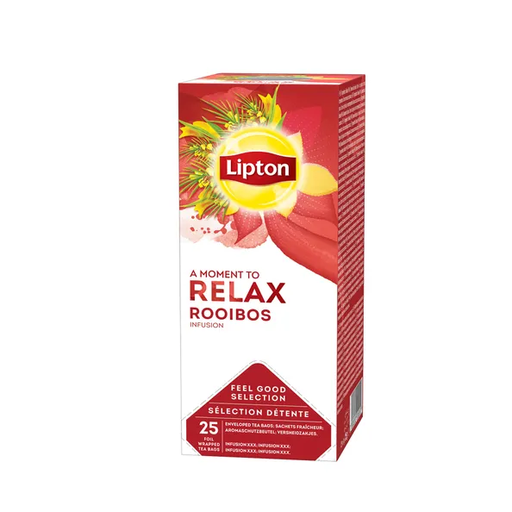 Image unavailable
For guests who would prefer rooibos to a fruity blend. The product page lists rooibos as an ingredient and says it’s caffeine-free.
Check the packaging for the recommended infusion time and temperature for this product.
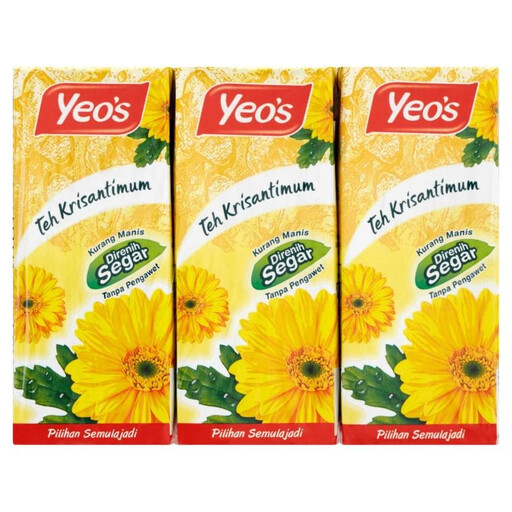 Image unavailable
A ready-to-serve floral drink, rather than tea bags to infuse. The product page describes it as caffeine-free and intended to be served cold.
It contains sugar: if that matters for your table, compare the sugar content per 100 ml and check the ingredients on the label of the product being sold.
No: the term ‘herbal tea’ alone isn’t enough if you need a strictly caffeine-free option. Look for a ‘caffeine-free’ label and check the ingredients; according to Anses, a blend containing black, green or white tea leaves naturally contains caffeine.
Plain rooibos with a single ingredient makes it easier to check the ingredients, though that doesn’t guarantee everyone at the table will like it. For a hint of vanilla, look for a flavoured rooibos whose exact product is also labelled ‘caffeine-free’.
Yes, if the product instructions allow it. Twinings recommends cooling its elderflower, raspberry and hibiscus blend after preparing it hot; if caffeine-free is essential for your brunch, check the ingredients and the caffeine-free claim separately.
Check for it in the ingredients list and consider how often you plan to serve the drink. Anses warns of the risks of high and repeated liquorice consumption, particularly for some sensitive groups; if you have an individual health concern, ask a healthcare professional for advice.