
Livraison le jour même ou le lendemain

Qualité garantie

Débloquez vos offres de bienvenue: Livraison GRATUITE | Jusqu'à -80 % | 30 jours d'essai gratuits à JoyPlus
Téléchargez l'application
A poorly chosen cabin bag can quickly turn into an unexpected expense. A suitcase marketed as "airline-compatible" may be a few centimetres over the permitted dimensions, while a very lightweight bag might lack structure or storage space. For short breaks, business trips and flights with low-cost airlines, three pitfalls crop up time and again.
The first concerns dimensions. Labels like "cabin", "small format" or "Ryanair-compatible" are no substitute for checking the measurements specified on your ticket. The second is empty weight: a bulky but heavy bag reduces how much you can actually pack. Finally, wheels, handles and stitching are often overlooked, yet they determine how comfortable your bag is to use in train stations, airport corridors and cobbled streets.
The permitted size depends on the fare you've chosen, the airline and sometimes the type of ticket. An under-seat bag is generally more compact than a suitcase stored in the overhead locker.
For a Ryanair flight, the sizes most commonly looked for include:
Compare these dimensions with the information on your booking. Also check whether wheels, handles and external pockets are included in the measurements. A soft bag can be compressed slightly, but this flexibility does not guarantee it will be accepted if it is overstuffed.
A lightweight cabin bag makes travelling easier and leaves more room for clothes, electronics or work documents. When comparing two models, don't just look at the stated capacity – weigh it against the empty weight.
For example, the rigid BURTON suitcases featured in this selection offer, depending on the size, a capacity of 23.4 L at 2.05 kg or 40 L at 2.65 kg. A 20 L soft bag can weigh less than 500 g, but it will provide different protection and a less stable structure.
For a weekend away, a 20 L travel bag may be enough if you travel light. For a trip of several days, a 40 L cabin suitcase offers more organised packing, provided its dimensions are accepted by the airline.
A rigid cabin suitcase made of ABS offers better protection against knocks and holds its shape under a seat or in an overhead locker. On the downside, it is less flexible and may show visible marks after repeated handling. ABS is a common material for luggage; however, its actual durability depends on the shell thickness, the zips and the quality of construction.
Oxford fabric or polyester bags are often lighter. They suit travellers who prioritise flexibility and carrying over the shoulder. Pay particular attention to the following:
The term "water-resistant" does not necessarily mean the bag is waterproof. For a model described as not water-resistant, plan some internal protection if you are carrying sensitive items.
The models below correspond to three different uses. The features listed are taken from the information available on each product page. Before you travel, always check the rules that apply to your ticket.
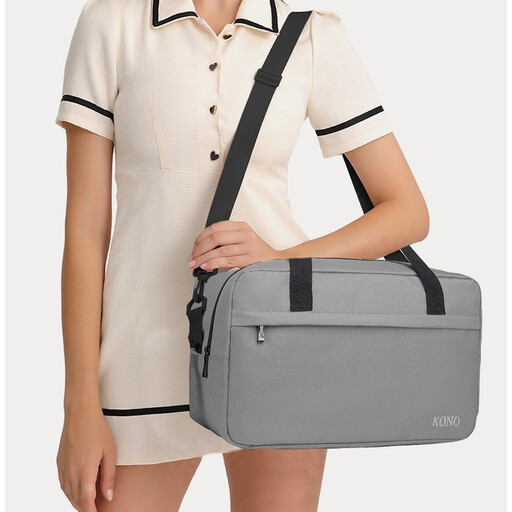
Why this choice suits this profile: With 14 L and a stated weight of 0.3 kg, this bag is ideal for short trips and helps keep the volume you carry to a minimum.
Its stated dimensions of 35 × 20 × 20 cm make it easy to compare against the limits on your ticket. However, you should still check the allowance that applies.
Oxford fabric described as water-resistant, adjustable strap, front pocket and rear trolley sleeve.
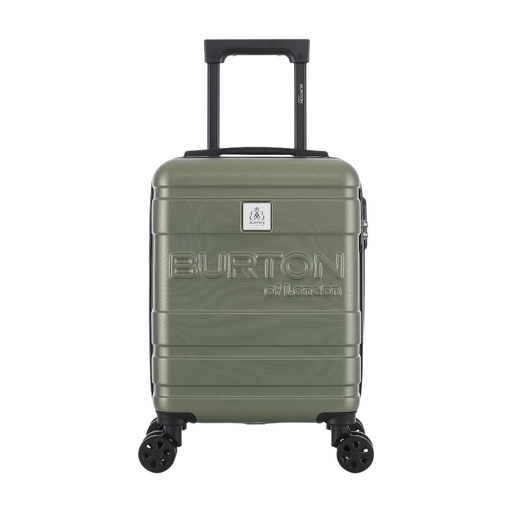
Why this choice suits this profile: This suitcase offers a structured shell, understated styling and manoeuvrability suited to regular travel.
The product page lists the dimensions, weight and capacity, rather than just relying on the "cabin" label.
Rigid ABS shell, four 360° swivel wheels and size S at 57.5 × 39.5 × 24 cm.
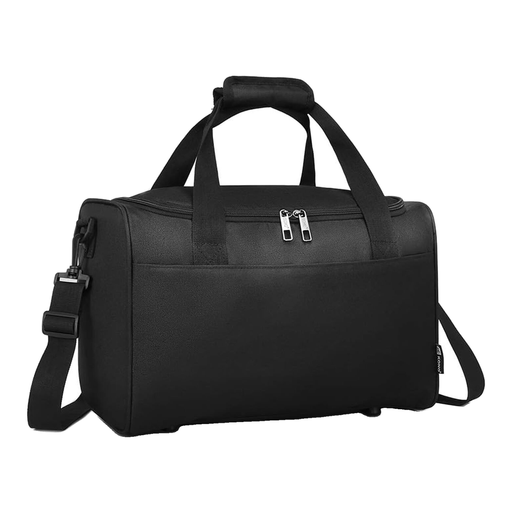
Why this choice suits this profile: Its size is designed for frequent travellers who want to keep their belongings close at hand during the flight and move around without a wheeled suitcase.
The measurements of 40 × 20 × 25 cm and the stated weight of 0.48 kg are listed separately from the 20 L capacity.
Main compartment, internal zip pocket, quick-access pocket, removable shoulder strap and trolley sleeve.
We've put together a comprehensive, real-time list of products that fully meet these strict selection criteria and European safety regulations.
Even a correctly sized model can become impractical if it is packed to the brim. Place heavy items near the bottom, use the pockets for documents and weigh your bag before you leave. For a four-wheel ABS suitcase, avoid sitting on it and don't place heavy objects on the shell. Clean it with a soft, slightly damp cloth – no solvents or abrasive products.
With a soft bag, don't force the zip shut so that it keeps its dimensions. If the manufacturer gives an approximate measurement, leave some margin and avoid filling it to the point where it becomes rigid. This precaution reduces the risk of having to pay an excess fee at the gate.
It all depends on the allowance stated on your booking. The 35 × 20 × 20 cm and 40 × 20 × 25 cm sizes are often sought after for an under-seat bag, but conditions can vary depending on your ticket. Check the dimensions published by Ryanair before each trip.
It generally offers better protection against pressure and holds its shape. A soft bag is often lighter, easier to stow and better suited to tight spaces. The choice therefore depends on the level of protection you need, the weight and your mode of transport.
How long it lasts depends on how often you travel, how full you pack it and how it is handled. To extend its life, avoid overloading it, clean the surfaces with suitable products and regularly check the wheels, zips and stitching.