
Livraison le jour même ou le lendemain

Qualité garantie

Débloquez vos offres de bienvenue: Livraison GRATUITE | Jusqu'à -80 % | 30 jours d'essai gratuits à JoyPlus
Téléchargez l'application
Buying Champagne online makes it easy to compare formats, styles and prices in just a few clicks. But an elegant label or a famous brand alone cannot tell you whether a cuvée will pair well with your meal, fit your budget or suit a particular event. To avoid disappointment, it is best to check a few essential details before placing your order.
The term Champagne refers to a protected designation of origin, produced in a defined geographical area and according to strict specifications. A Crémant or another sparkling wine may offer attractive bubbles and stylish presentation without being AOP Champagne. Check the designation shown on the product page, especially if the bottle is intended for a wedding, birthday or gift.
A prestigious cuvée can be an excellent choice for an elegant reception or an important gift. However, its price reflects the house, packaging and commercial positioning just as much as its flavour profile. For a meal with friends or family, the dosage, aromas and food pairings are often more important than the brand name alone.
The term brut refers to a dosage category, but not all brut Champagnes offer the same sensation on the palate. A non-dosé Champagne will generally be drier, allowing the base wine to express itself more fully. A classic brut, on the other hand, may seem rounder and smoother.
After delivery, keep the bottle away from light, heat and significant temperature fluctuations. Some product pages recommend storing it at around 10 to 12 °C. Above all, avoid leaving the bottle in direct sunlight or near a radiator for extended periods.
For an easy-drinking choice, brut Champagne remains a reliable option for an aperitif and many different dishes. Rosé Champagne adds a fruity touch and a colour that is particularly well suited to celebratory meals, red-fruit desserts or a toast served outdoors.
Non-dosé Champagne, sometimes described as “zero sugar” on certain product pages, is better suited to those who enjoy a dry, mineral expression. This term is not a medical or nutritional indication: it describes the wine-making dosage of the cuvée.
The three grape varieties traditionally used in Champagne are pinot noir, meunier and chardonnay. A high proportion of pinot noir can add structure and body, while chardonnay is often associated with freshness and citrus notes. Meunier frequently contributes a fruitier profile.
Also look at the tasting notes: white fruit, citrus, red fruit, toasted flavours, brioche or minerality. These descriptions help you choose a bottle to accompany fish, poultry, dessert or simply an aperitif.
The 75 cl Champagne bottle generally provides around six 12 cl tasting glasses, depending on how full they are poured. For a reception, always allow for a few extra bottles so you do not run out when it is time to serve.
The recommended serving temperature is often between 8 and 12 °C. Chill the bottle gradually and open it without shaking it. When it comes to glassware, lead-free crystal Champagne flutes that are dishwasher-safe make serving easier at a wedding or large dinner.
Alcoholic drinks are reserved for adults. Alcohol should be consumed in moderation and is not recommended during pregnancy. The products concerned generally contain sulphites: always check the label and product information before buying.
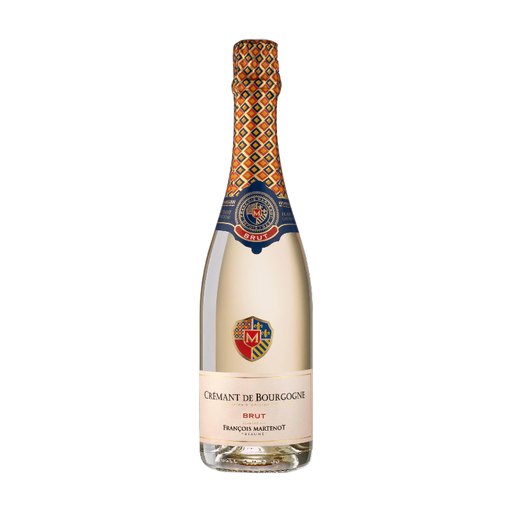
Why this choice suits this profile : This rosé Crémant de Bourgogne is a great way to discover a French sparkling wine in a 75 cl bottle, with notes of grapefruit, raspberry and redcurrant.
The product page clearly distinguishes Crémant from Champagne and details the allergens, storage conditions and product characteristics.
AOP Bourgogne, fruity rosé profile, approximately 12 % ABV and nutritional information provided per 100 ml.
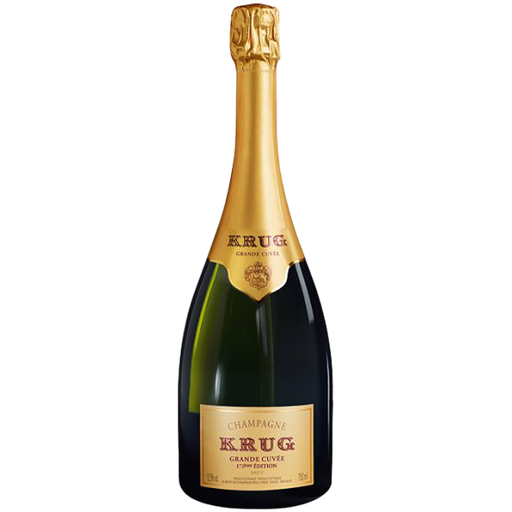
Why this choice suits this profile : This cuvée is ideal for a memorable gift or attentive tasting, with a blend of reserve wines from several vintages, according to the description provided.
The product page provides verifiable information about the blend rather than reducing the cuvée to a simple prestige claim.
Advertised notes of dried fruit, candied citrus, toasted almond and toasted bread, in a 75 cl bottle.
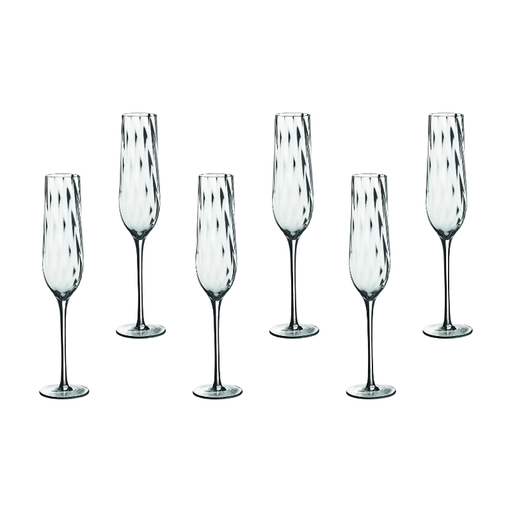
Why this choice suits this profile : This set of six 26 cl flutes is practical for weddings, receptions and meals with several guests.
The lead-free crystal, dishwasher compatibility and protective packaging meet the demands of regular use.
Six matching pieces, 26 cl capacity, stated height of 29 cm and easy cleaning.
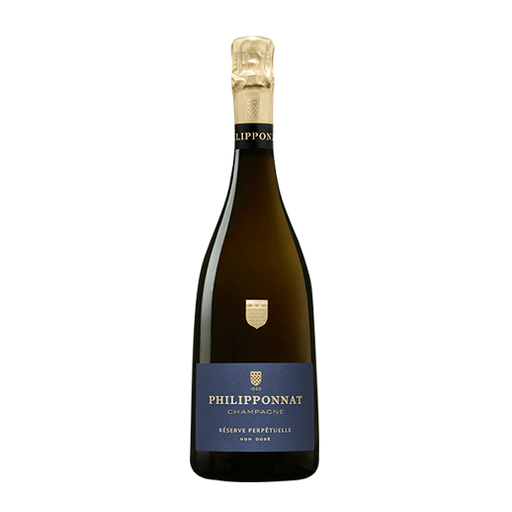
Why this choice suits this profile : The non-dosé designation and advertised notes of lemon, orange zest and minerality appeal to palates seeking a dry expression.
The dosage, grape varieties, alcohol content of 12.5 % ABV and net volume of 75 cl are clearly stated.
Perpetual reserve stated as dating back to 1946, a blend of three grape varieties and Champagne, France origin.
We have put together a complete, real-time selection of products that meet these exacting criteria and European safety regulations.
A 75 cl bottle will generally serve around six glasses of 10 to 12 cl. For a reception, allow for a few extra bottles if service is to last several hours or if Champagne will accompany the entire meal.
Keep it away from light, heat and excessive humidity. A stable temperature of around 10 to 12 °C is often recommended. However, always check the label and product page, particularly for rosé cuvées or bottles intended to be drunk quickly.
Brut is versatile, but it does not automatically pair with every dish. It generally works well with an aperitif, seafood, certain fish dishes and poultry. With a very sweet dessert, a fruitier style or another category of sparkling wine may be a more harmonious choice.