
Livraison le jour même ou le lendemain

Qualité garantie

Débloquez vos offres de bienvenue: Livraison GRATUITE | Jusqu'à -80 % | 30 jours d'essai gratuits à JoyPlus
Téléchargez l'application
Buying wine online makes it easy to compare appellations, grape varieties and formats. However, a well-presented product page does not always guarantee the right choice. Vague descriptions, varying vintages or limited storage information can turn a great deal into a disappointing bottle.
Here are the key points to check before ordering 75 cl French wines, whether you are looking for a Bordeaux red wine, a Burgundy red wine, a French white wine, a rosé wine or a sparkling wine.
An appellation such as Saint-Émilion Grand Cru, Margaux wine or Crémant de Bourgogne provides a geographical and regulatory framework. However, it is not enough to define the bottle’s exact style. The producer, blend, vintage and storage conditions also play a decisive role in the result in the glass.
To compare bottles more objectively, look at the region, grape variety, alcohol content, format and serving recommendations.
Some product pages mention ageing potential, but that does not mean the bottle must remain in the cellar for several years. For a dinner planned in the near future, it is better to choose an approachable wine that is ready to drink and easy to serve. Conversely, a structured wine may require more careful storage and a little patience before revealing its full potential.
Avoid buying in bulk if you do not have a cool, dark, dry place with a stable temperature.
The presence of sulphites must be clearly stated, in accordance with allergen labelling requirements. Also check the volume, alcohol content, serving temperature and any mandatory warnings. Alcoholic drinks are reserved for people aged 18 and over. They are not recommended during pregnancy and should be consumed responsibly.
For a Bordeaux red, blends based on Merlot, Cabernet Sauvignon or Cabernet Franc offer different profiles in terms of fruit, structure and tannins. A Bordeaux Supérieur or Castillon Côtes de Bordeaux will often suit a relaxed meal, while a Saint-Émilion Grand Cru or Margaux is better suited to an occasion where you want to take your time serving and tasting the wine.
In Burgundy, Pinot Noir produces reds ranging from soft and supple to more structured, depending on the appellation. Bourgogne Chardonnay generally showcases fruity and floral notes, sometimes accompanied by a buttery touch. For a fresh, versatile white, a Sauvignon blanc from Touraine or Bordeaux can be served with seafood, fish and pre-dinner drinks.
Alcohol content helps you anticipate the sensation on the palate and how the wine will pair with your meal, but it is not enough to judge a bottle’s quality. The selected products include reds of around 12 to 14 % vol., whites of around 13 % vol. and lighter sparkling wines.
Follow the temperatures indicated on the label or product page:
The 75 cl format corresponds to approximately six 12 cl glasses, depending on how it is served. It is a practical size for a dinner with several guests, a gift or gradually building a wine collection. Before ordering, check any use-by date, storage recommendations and the recommended timeframe for drinking after opening.
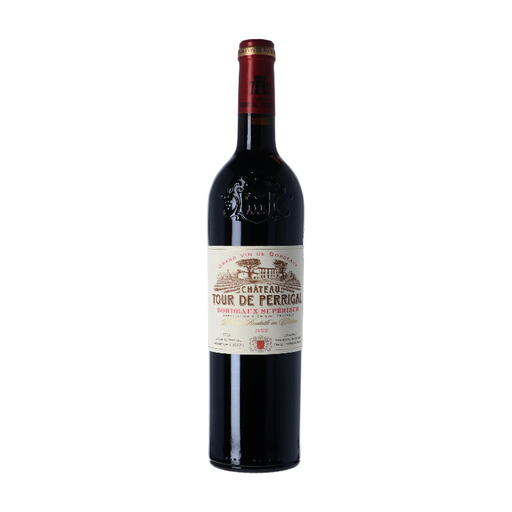
Why this choice suits this profile : its versatile Bordeaux style pairs just as well with home-cooked food as it does with red meat or a cheeseboard.
The product page states the appellation, the red grape varieties, the alcohol content of 13.5 % vol. and a serving temperature between 16 and 18 °C.
A 75 cl bottle with a fruity, spicy profile and tannins described as smooth.
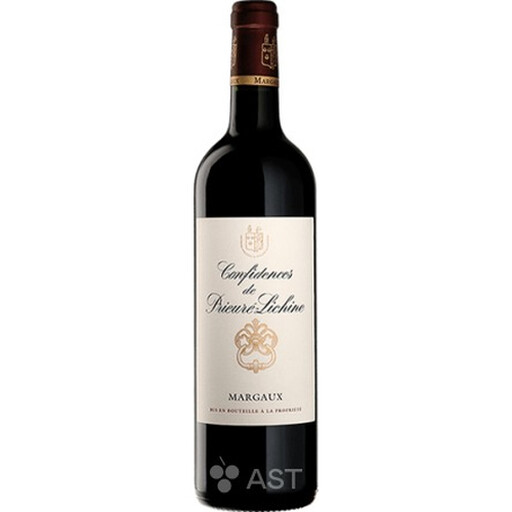
Why this choice suits this profile : this Margaux cuvée is ideal for enthusiasts of Bordeaux wines with fruity, floral and minty notes.
The blend of Merlot and Cabernet Sauvignon, the alcohol content of 13 % vol. and the serving temperature of 16 to 18 °C are clearly stated.
An AOC Margaux, smooth tannins and a 75 cl bottle.
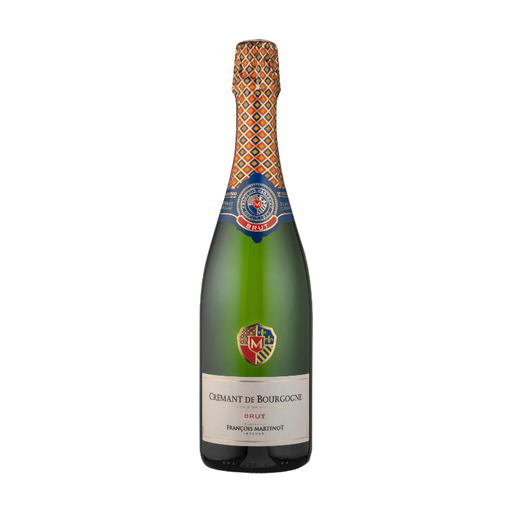
Why this choice suits this profile : its format is equally well suited to celebratory meals, pre-dinner drinks and buying in quantity when entertaining.
The product page clearly specifies the appellation, 75 cl format, presence of sulphites and storage conditions.
Fine bubbles, a lemony and floral profile, plus a vegetarian and vegan option stated on the product page.
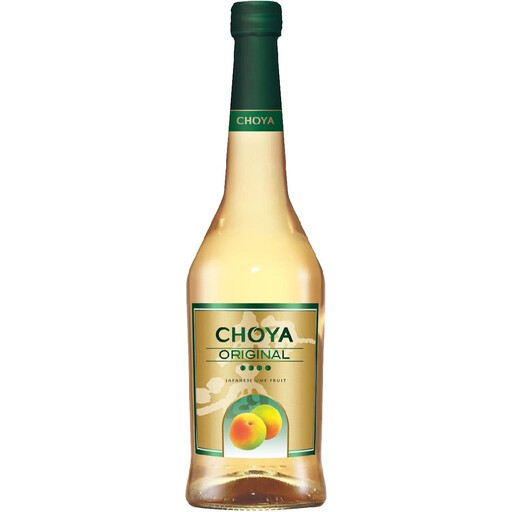
Why this choice suits this profile : this Japanese Choya plum wine is best enjoyed chilled, over ice or topped up with sparkling water.
The product page specifies the 10 % vol. alcohol content, 750 ml format and several ways to serve it.
A soft, zesty profile to serve with pre-dinner drinks or in a cocktail, with storage recommended in a cool, dry place.
We have put together a complete, real-time updated selection of products that meet these exacting criteria and European safety regulations.
Yes, provided you check the seller’s identity, product information, alcohol content, allergens, format and delivery conditions. On delivery, inspect the condition of the parcel, then store the bottles away from heat and light.
It depends on the appellation, producer, vintage and storage conditions. White and rosé wines intended to be enjoyed young are generally best drunk without delay. Some structured reds have ageing potential stated on their product page, but this information does not replace stable, suitable storage.
The price depends on the appellation, origin, producer, vintage and delivery costs. To compare offers, calculate the price per bottle and check whether a group order could reduce transport costs. Filtering results by colour, grape variety and occasion helps you avoid paying solely for the prestige of an appellation.