
Livraison le jour même ou le lendemain

Qualité garantie

Débloquez vos offres de bienvenue: Livraison GRATUITE | Jusqu'à -80 % | 30 jours d'essai gratuits à JoyPlus
Téléchargez l'application
Buying wine online allows you to compare appellations, regions, formats and prices in just a few clicks. However, a well-presented product page does not guarantee that the bottle will complement your meal or suit your preferences. To make a successful online wine purchase, it is best to look beyond the marketing claims and check a few specific details.
A château, a ‘reserve’ cuvée or luxurious presentation may catch your eye without telling you much about the wine’s actual style. An appellation defines a geographical area and production rules, but it does not replace checking the grape variety, vintage where stated, alcohol content or serving conditions.
A red wine is not necessarily full-bodied, just as a white wine is not necessarily sweet. A rosé wine, meanwhile, can be lively and lemony or, alternatively, more fruity and smooth. The description of the aromas, structure, acidity and tannins provides far more useful guidance than the colour on the label alone.
A standard bottle generally contains 75 cl, although some sweet wines are available in 37.5 cl bottles. This smaller format can be handy for dessert or a meal for two, while a standard bottle is more suitable for sharing over a meal. Once delivered, store the wine away from heat, damp and light, following the producer’s recommendations.
French wines are often chosen according to their appellation. Bordeaux produces blends dominated by merlot, cabernet sauvignon or cabernet franc. Provence is renowned for rosés made primarily from grenache, cinsault and syrah. In Burgundy, aligoté produces fresh, lively white wines.
For Italian wines, regional indications and grape varieties can also help you anticipate the bottle’s profile. A lambrusco from Emilia-Romagna, for example, differs from a Veneto prosecco in its colour, sparkle and balance.
The alcohol content shown on the label helps indicate the wine’s style, although it is not enough to predict how it will feel on the palate. A wine at 12.5 % vol. may come across as fresh and light, while a wine at 14 % vol. will often offer more body. For sweet wines, information about sugar levels and serving temperature is particularly useful.
Sparkling wines also feature terms such as Brut, Extra Dry or Doux, which do not all correspond to the same level of sweetness. Before choosing champagne or another sparkling wine, take the time to read the whole product description.
Temperature noticeably changes how a wine tastes. Full-bodied reds are generally served at around 16 to 18 °C, rosés between 6 and 10 °C depending on the cuvée, and fresh whites at around 10 to 12 °C. Sweet wines and sparkling wines are generally enjoyed at lower temperatures.
To find a good food and wine pairing, start with the main dish:
Also check for sulphites and declared allergens. Alcohol sales are restricted to adults. Consumption should remain moderate, and alcohol is not recommended during pregnancy.
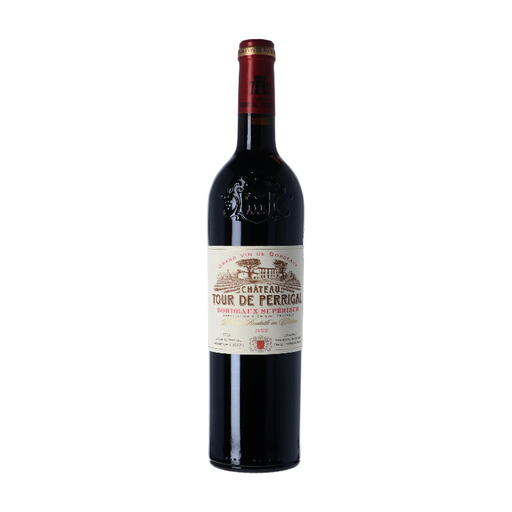
Why this choice suits this profile : With its 75 cl format and Bordeaux Supérieur profile, this bottle is a good introduction to wine and pairs well with a family meal or meat in a rich sauce.
The product page clearly states the appellation, the merlot, cabernet sauvignon and cabernet franc grape varieties, as well as the serving temperature of 16 to 18 °C.
Blackcurrant, plum and spice aromas, combined with soft tannins and an alcohol content of 13.5 % vol.
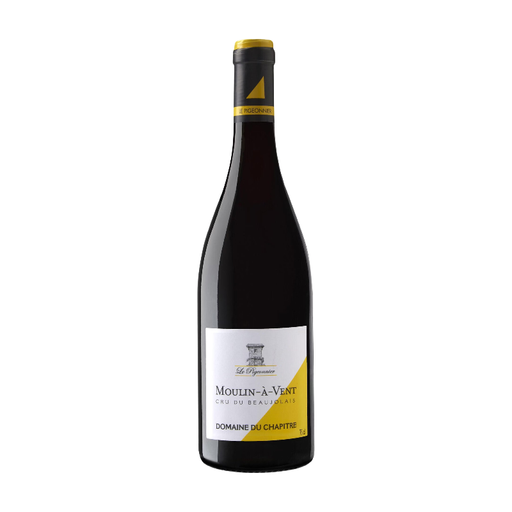
Why this choice suits this profile : This Beaujolais appellation offers a more structured wine, ideal for adding to your wine collection or pairing with a fine cut of meat.
The description details the colour, fruity and floral aromas, as well as the potential to develop spicy and oaky notes.
Fine tannins, a velvety texture and recommended pairings with red meat, game and cheese.
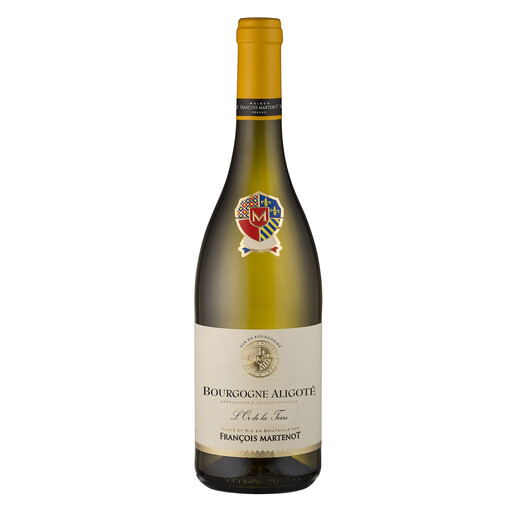
Why this choice suits this profile : Its fresh profile pairs easily with seafood, fish, starters and everyday meals.
The aligoté grape variety and serving temperature of 10 to 12 °C are clearly stated. This makes it easier to choose without relying solely on the name of the region.
A 13 % vol. Bourgogne Aligoté AOC with a lively profile, recommended with fish and lighter meats.
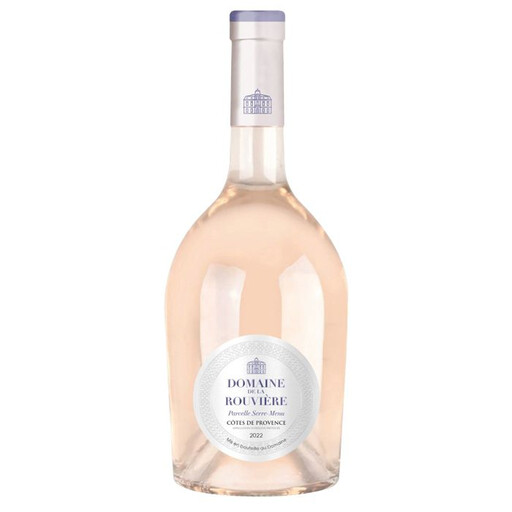
Why this choice suits this profile : This Provence rosé is a natural choice for a meal on the terrace, a barbecue or an aperitif served well chilled.
The product page specifies the appellation, the cinsault, grenache and syrah grape varieties, as well as the recommended serving temperature of between 6 and 8 °C.
A pale pink colour, silky texture and stated notes of citrus and red fruit.
Start with the dish, then refine your search by colour, appellation and grape variety. The serving temperature, alcohol content and aroma description provide useful, practical guidance. For your first order, choosing several bottles from different regions and styles will help you identify your preferences.
It depends entirely on the wine. Some full-bodied reds can be kept for several years in suitable conditions, while rosés and fresh wines are generally intended to be enjoyed sooner. Check the information on the product page and label, and store the bottles away from light and heat.
The price depends on the appellation, producer, format, delivery costs and any promotions. Compare the total basket value, including delivery, rather than the displayed price of a single bottle. This will give you a more accurate idea of the value of buying wine online, whether you are purchasing a 75 cl bottle, a gift set or several different products.