
Livraison le jour même ou le lendemain

Qualité garantie

Débloquez vos offres de bienvenue: Livraison GRATUITE | Jusqu'à -80 % | 30 jours d'essai gratuits à JoyPlus
Téléchargez l'application
Buying wine online makes it easy to compare a red wine, a rosé wine, a white wine, a sweet wine or a sparkling wine. But even a well-presented product listing is not always enough to make the right choice. Between flattering descriptions, appellations that are sometimes misunderstood and bottle sizes that vary, it is easy to end up with a wine that does not suit the meal, your budget or your usual preferences.
Here are the criteria to consider before ordering, together with a selection of bottles for different types of buyers.
“Elegant”, “refined”, “intense” and “fruity” give you an idea of the tasting style, but these terms remain subjective. To compare bottles more seriously, look for specific information: appellation, grape varieties, alcohol content, volume, serving temperature and recommended pairings.
A Bordeaux wine made with Merlot will not necessarily have the same profile as a Burgundy wine made from Gamay or an Alsace wine produced with Riesling. Marketing language is no substitute for a detailed technical specification.
An AOP, AOC, DOC or DOCG designation provides information about the wine’s origin and the regulations it follows. It does not guarantee that the bottle will suit your tastes. A Bordeaux can be soft or full-bodied, a Provence rosé can be lively or rounder, while a sweet wine can offer different levels of richness.
Appellations such as Bordeaux Supérieur, Margaux, Saint-Émilion, Côtes de Provence, Sauternes, Barsac, Riesling d’Alsace and Asti DOCG should therefore be considered alongside the grape varieties and tasting notes.
A 37.5 cl bottle contains only half as much as a standard 75 cl bottle. This smaller format may suit two people or a tasting, but it will be less practical for a larger gathering. Also check the serving temperature and storage conditions: most wines should be kept away from heat, excessive humidity and light.
To get a clearer picture, start by looking at the wine’s origin:
The alcohol content shown in % vol helps you anticipate the sensation on the palate and the wine’s place during the meal. The products featured here range from approximately 7.5 % to 19.5 % vol, depending on the bottle. Light sparkling wines and fruit wines can be enjoyed as an aperitif, while white Port is generally served in small quantities.
The volume matters just as much: 330 ml for some fermented fruit drinks, 375 ml for certain sweet wines and 750 ml for most bottles intended to accompany a meal.
A sweet wine, a fruity wine and an extra-dry wine do not create the same impression on the palate. Descriptions of freshness, acidity, fruitiness and sweetness should be considered alongside the recommended serving temperature.
As a general guide:
The presence of sulphites must be stated in the product listing. Anyone with allergies or following a particular diet should check the label and the manufacturer’s information before ordering.
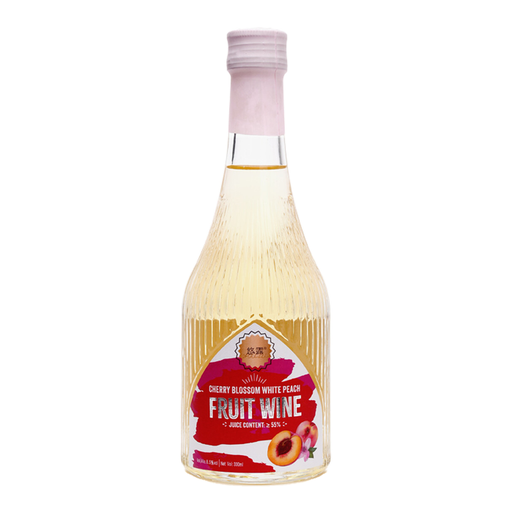
Why this choice suits this profile : With its convenient 330 ml size and fruity white peach profile, this bottle is a simple way to discover fruit wine without having to buy several standard bottles.
The volume, alcohol content and stated juice content of over 55 % are clearly indicated. A slight natural sediment may appear, depending on the fermentation process.
An individual serving size, best served well chilled, with a combination of white peach, cherry blossom and honey.
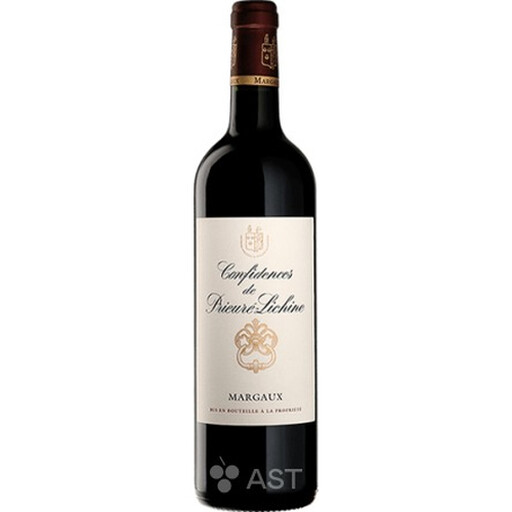
Why this choice suits this profile : This Margaux cuvée is aimed at enthusiasts looking for an appellation Bordeaux with a carefully considered presentation and a more refined profile.
The listing specifies the Margaux appellation, the Merlot and Cabernet Sauvignon grape varieties, the alcohol content of 13 % vol and a serving temperature of between 16 and 18 °C.
Stated notes of cherry, eucalyptus, blueberry, violet and blackcurrant, complemented by tannins described as soft.
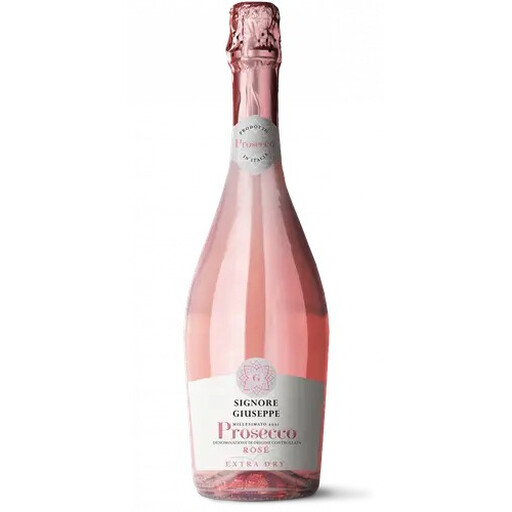
Why this choice suits this profile : Its 75 cl format and persistent bubbles make it a suitable option for an aperitif, brunch or any occasion where the bottle is intended to be shared.
The listing states the Prosecco DOC appellation, Italian origin, blend of Glera and Pinot Noir, and a serving temperature of between 8 and 12 °C.
A pale pink colour, red fruit aromas, refreshing character and a stated alcohol content of between 10 and 11 % vol.
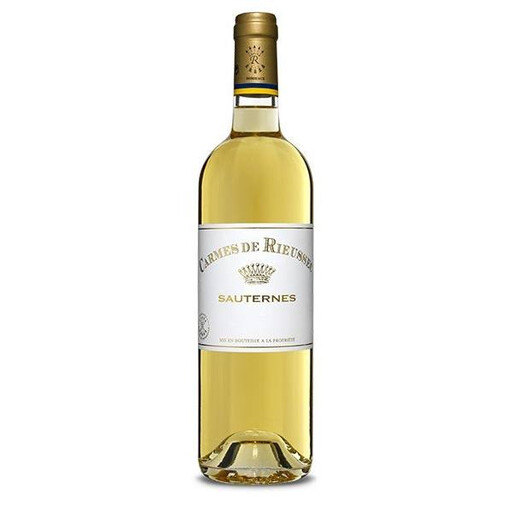
Why this choice suits this profile : At 37.5 cl, this bottle is ideal for enjoying with dessert, foie gras or cheese, without having to open a larger format.
The listing identifies the Sauternes AOC and the Sémillon, Sauvignon Blanc and Muscadelle grape varieties, with a serving temperature of between 8 and 10 °C.
Stated aromas of candied apricot, citrus and flowers, balanced by a combination of richness and freshness.
We have brought together a complete, real-time updated selection of products that meet these demanding criteria and European safety requirements.
Start by checking the appellation, grape varieties, alcohol content, stated level of sweetness and tasting notes. The suggested pairings can also provide a practical indication of the wine’s style.
Keep it in a cool, dry and dark place, away from significant temperature fluctuations. Before opening it, always check the instructions on the label or in the product listing.
The price depends on the appellation, origin, format, vintage and producer. Compare the price per bottle with the volume, then choose according to the occasion rather than relying solely on flattering descriptions.
The sale and consumption of alcohol are restricted to adults. Excessive alcohol consumption is dangerous to your health: consumption should be moderate. Alcohol consumption is not recommended during pregnancy.