
Livraison le jour même ou le lendemain

Qualité garantie

Débloquez vos offres de bienvenue: Livraison GRATUITE | Jusqu'à -80 % | 30 jours d'essai gratuits à JoyPlus
Téléchargez l'application
Buying wine online lets you quickly compare appellations, formats and styles, without being limited to the bottles available in the shop. But you still need to know what to look for. A well-presented product page isn’t always enough: between the flattering descriptions, missing information and sweetness levels that are sometimes poorly explained, a promising bottle can quickly turn out to be a disappointment.
Here are the criteria to check before choosing a red, white, rosé or sparkling wine for a meal, an aperitif, a celebration or a gift.
Words like “rich”, “elegant” or “long finish” give you an idea of the style you’re after, but they remain subjective. To make an informed choice, instead check:
A Bordeaux, a Burgundy, an Alsace wine or an Italian cuvée can have very different profiles, even if they’re all the same colour.
“Brut”, “extra dry”, “demi-sec” and “moelleux” don’t correspond to the same sensation on the palate. The term “extra dry”, particularly on some sparkling wines, can make you think the wine is drier than brut. In fact, it’s the opposite: it usually contains more sugar.
For an aperitif, a crisp white or a brut sparkling wine suits many palates. With a dessert, or for fans of fruitier wines, a slightly sweet rosé, an Asti Spumante or a port can be good options, depending on the menu.
The wines featured in this selection contain sulphites, as stated on their respective product pages. Those who are sensitive should carefully check the label and the product information. The sale and consumption of alcohol are reserved for adults. Alcohol is not recommended during pregnancy or before driving.
The appellation provides a first point of reference, but it doesn’t guarantee on its own that you’ll enjoy the wine. A Touraine Sauvignon often suggests a fresh, citrusy profile, while a Burgundy Chardonnay can be rounder, with fruity or buttery notes depending on how it’s made.
For a red wine, also look at the blend. A Bordeaux might combine merlot, cabernet sauvignon and cabernet franc. A Moulin-à-Vent made from gamay will offer a different experience, with its own structure and aromas.
The ABV helps you anticipate, at least in part, the style of the wine and the type of occasion it suits. An Asti Spumante at 7.5% ABV will obviously have a very different profile from a port at 19.5% ABV.
The 75 cl format corresponds to roughly six glasses of 12.5 cl, depending on how you pour. A 50 cl bottle, as you find with some fruit wines, can be more practical for a tasting for two or a small group.
Store your bottles away from heat, excessive humidity and direct light. The serving temperature depends on the style:
After opening, reseal the bottle carefully. The shelf life can vary significantly depending on the product, particularly with fortified wines.
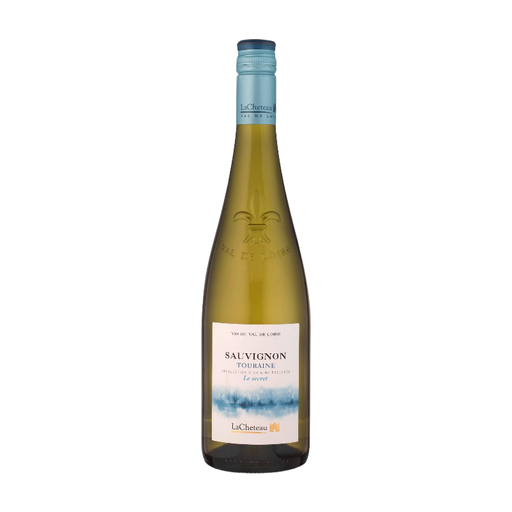
Why this choice suits this profile: Its fresh, citrusy profile works just as well with an aperitif as it does with seafood or a ripe cheese like Valençay.
The appellation, grape variety, vintage shown on the product page and format are all clearly stated.
An AOC white wine in a 75 cl bottle, with a fresh aromatic profile and clear information about sulphites.
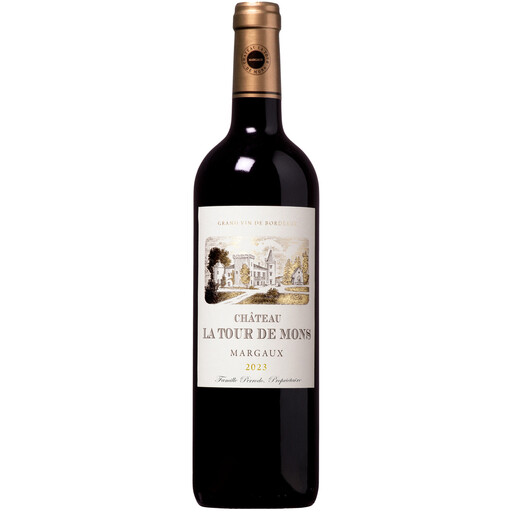
Why this choice suits this profile: This Bordeaux appellation is aimed at special meals and lovers of structured reds.
The region, grape blend, ABV and serving temperature are all indicated.
A Bordeaux blend at 13% ABV, with suggested pairings for hearty dishes.
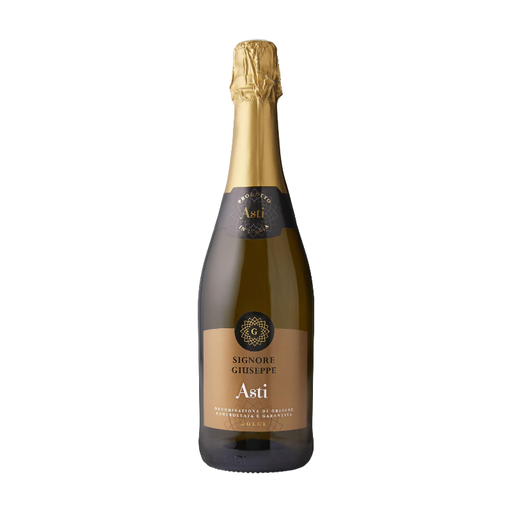
Why this choice suits this profile: Its 75 cl format and 7.5% ABV make it ideal for a party or a celebratory aperitif.
The Asti DOCG appellation, Italian origin, Moscato grape variety and allergens are all listed.
An Italian sparkling wine made from 100% Moscato according to the product page, to be served well chilled.
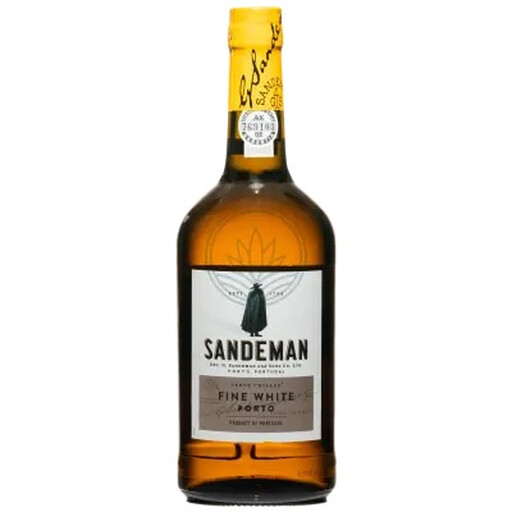
Why this choice suits this profile: This Portuguese port offers an alternative to more classic wines, whether for an aperitif or after a meal.
The country, Douro Valley, ABV of 19.5% and serving conditions are all specified.
A white port in a 75 cl bottle, to be served between 8 and 10 °C.
Yes, provided you compare the same information: appellation, grape variety, volume, ABV, sweetness level, price per bottle and delivery costs. The aromatic description then helps refine your choice, but it doesn’t replace these details.
It all depends on the style of wine. A still wine is generally best drunk within a few days, provided it’s resealed and kept cool. Fortified wines, like port, often keep for much longer after opening. In any case, refer to the instructions on the product page and the label.
The price depends on the appellation, the estate, the vintage, the format and the delivery costs. To avoid unpleasant surprises, compare the total basket amount and favour selections that clearly detail the characteristics of each bottle.