
Livraison le jour même ou le lendemain

Qualité garantie

Débloquez vos offres de bienvenue: Livraison GRATUITE | Jusqu'à -80 % | 30 jours d'essai gratuits à JoyPlus
Téléchargez l'application
Buying whisky online allows you to compare origins, formats and flavour profiles in just a few clicks. But a detailed product page does not always guarantee an informed choice. Between flattering descriptions, categories that are sometimes poorly distinguished and differences in alcohol strength, some bottles may not suit the occasion you have in mind.
This guide from the Joybuy Product Recommendation Officer will help you identify the information that really matters before placing your order, whether you’re looking for Japanese, Scottish, French or Irish whisky.
A name with Japanese-sounding accents does not necessarily mean that the whisky was distilled in Japan. The Fujisan Whiskey Renewal product page, for example, states that it is produced in Vietnam, despite its claimed Japanese inspiration. By contrast, TOKI is presented as a blend of whiskies from the Hakushu, Chita and Yamazaki distilleries.
Take the time to check the country of origin, place of production, distillery and importer details. This information is generally more meaningful than the product name alone.
At 51.4% ABV, NIKKA From The Barrel offers a different experience from a 40% bottle. It can be enjoyed neat, with a few drops of water or in a cocktail, but its intensity will not suit every palate. The alcohol strength should primarily match your experience and the way you drink whisky, rather than simply reflecting its price.
A single malt is made from malted barley at a single distillery. A blended whisky, on the other hand, combines several whiskies. Blended malt, such as Monkey Shoulder, brings together several single malts without necessarily including any grain whisky.
The type of cask used for ageing also plays an important role. Bourbon casks often bring notes of vanilla, coconut or caramel. Sherry casks can enhance flavours of dried fruit, candied citrus and spice. These are useful flavour indicators, however, rather than a guarantee that you will enjoy the bottle.
To compare bottles on a sound basis, check:
The selection includes Japanese references from Nikka, Scottish single malts from Dalmore, Jura and Tamnavulin, as well as Bellevoye French whiskies.
Whether you’re giving a bottle as a gift or building a home bar, the most common size remains 70 cl. 50 cl bottles, such as Mikuni and NIKKA From The Barrel, are practical for discovering a style without filling your stock cupboard with bottles.
Most whiskies have an alcohol strength of between 40 and 43% ABV. More powerful expressions require a little more care when serving. For a cocktail, a 40% or 43% whisky will generally be easier to measure. For a more gradual tasting experience, a higher-strength version can be adjusted with a few drops of water.
Flavour descriptions provide valuable points of reference:
A whisky recommended neat can also be served with a few drops of water. Ice cubes and sparkling water change the way the flavours are perceived, so this is worth bearing in mind when choosing a whisky for cocktails.
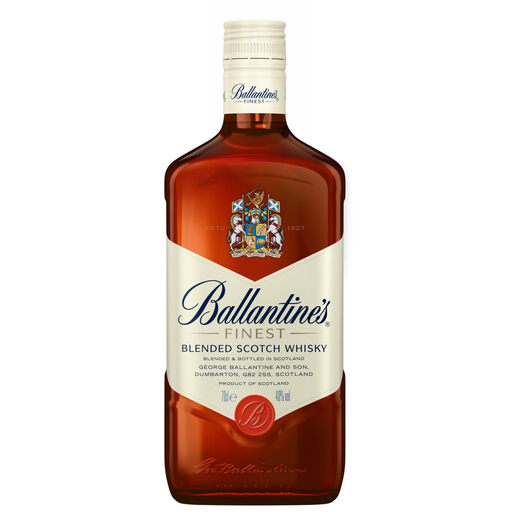
Why this choice suits this profile: At 40% ABV and in a 70 cl bottle, this is a versatile first whisky to enjoy neat, over ice or with a little water.
The product page clearly states its Scottish origin, its blend of malt and grain whiskies, and its alcohol strength.
A profile described as light, with notes of red apple, chocolate and vanilla; an easy-drinking bottle for everyday use.
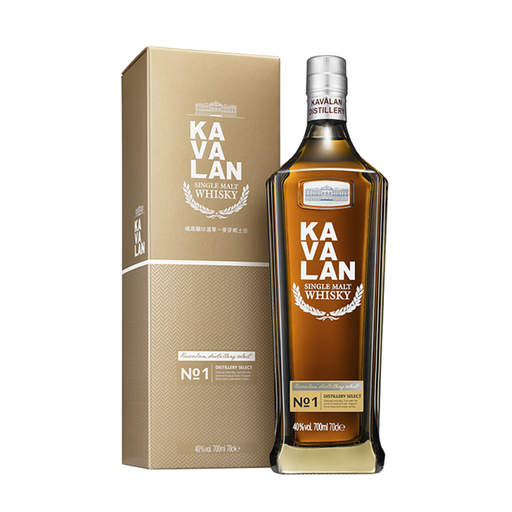
Why this choice suits this profile: This Taiwanese single malt is ideal for enthusiasts who want to take their time over their whisky, enjoyed neat or with whisky stones.
The product page clearly states the single malt category, Taiwanese origin, bottle size and alcohol strength.
Advertised notes of caramel and vanilla; recommended served at room temperature or slightly chilled.
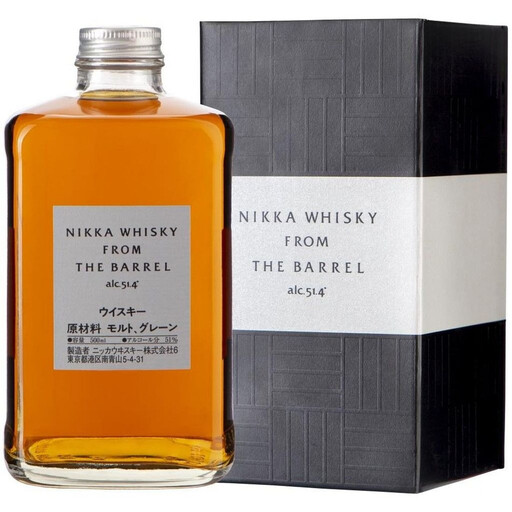
Why this choice suits this profile: Its compact size and high alcohol strength make it a good fit for a cocktail bar or for enthusiasts used to powerful whiskies.
The product page clearly distinguishes the 50 cl bottle size and the 51.4% ABV: two details to check before placing your order.
A profile described as spicy, fruity and powerful; serve neat, with a dash of water or in selected cocktail recipes.
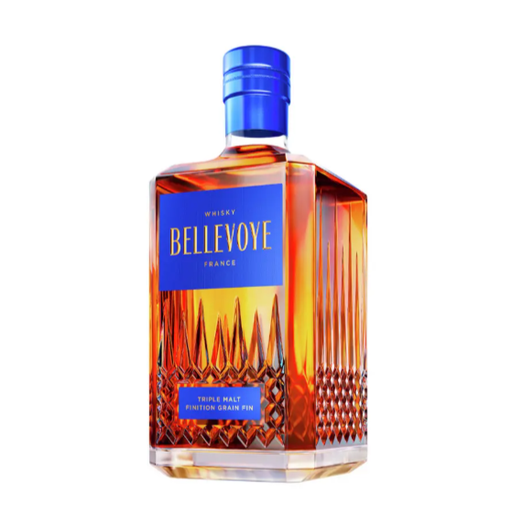
Why this choice suits this profile: This French triple malt is an original alternative for giving as a gift or creating a selection with varied origins.
The product page specifies its French origin, the inclusion of three single malts and the absence of declared allergens.
A blend of whiskies from Nord-Pas-de-Calais, Alsace and Charente; a profile described as rounded and harmonious.
We’ve put together a complete, real-time updated list of products meeting these demanding selection criteria and European safety regulations.
Start with a bottle at 40 to 43% ABV, with a profile described as smooth, fruity, vanilla-forward or lightly spicy. A Scottish blended whisky, an Irish whisky or a Japanese blend will often be more approachable than a heavily peated single malt or a particularly high-strength expression.
A properly sealed bottle stored upright, somewhere cool and away from light can remain enjoyable to drink for a long time. However, in a nearly empty bottle, the air above the whisky will eventually cause the flavours to develop. To limit this effect, reseal the bottle carefully and avoid significant temperature changes.
For a cocktail or highball, choose a whisky with clear flavours and a moderate alcohol strength. TOKI, Monkey Shoulder and Nikka Coffey Grain are presented as suitable for mixed drinks. When giving a bottle as a gift, focus instead on the bottle size, presentation, origin and the recipient’s tastes.
The purchase and consumption of alcohol are restricted to people aged 18 and over. Please drink responsibly.