
Same-day & Next-day Delivery

Quality Guaranteed

Unlock Your Welcome Offers: FREE Delivery | Up to 80% OFF | Free 30-day JoyPlus trial
Download the APP
Buying rum online makes it easy to compare origins, bottle sizes and flavour profiles. But a well-filled product page doesn’t always guarantee a smart choice. Between age statements, tasting promises and production methods, some bottles can spring a surprise if they don’t match what you had in mind.
Before you place an order, check three things: the type of rum, its ABV and its bottle size. This information will help you tell the difference between a rum designed for cocktails and an aged sipping rum, as well as between a sweet spiced rum and a crisp, vegetal white agricole.
A statement like “12 years” or “20 years” indicates an ageing period, based on information provided by the producer. However, it doesn’t predict the taste, sweetness level or blending method. The type of cask also plays a major role: bourbon, sherry, port or cognac can each bring very different notes.
An aged rum might evoke vanilla, cocoa, coffee, dried fruit or wood. To avoid disappointment, look at the descriptions of the nose, palate and finish rather than relying solely on the number on the label.
A spiced rum or rum liqueur typically contains sugar, fruit, spices or flavourings. Its profile can be rich and easy-drinking, but it doesn’t compare directly to a white agricole rum or an unflavoured aged rum.
The ingredients list and nutritional information are therefore particularly useful. They help you spot the presence of sugar syrup, fruit juice, macerations or caramel colouring.
A 70 cl bottle and a 1-litre rum can’t be compared directly. Calculate the price per litre and check the ABV before deciding whether an offer is good value. A large bottle is handy for making cocktails regularly, while a 50 cl format is better suited to a flavoured sipping rum or a gift.
White agricole rum is made from pure sugar cane juice. It often develops fresh, vegetal and peppery notes, which are highly prized in ti-punch and cocktails. Traditional rums, on the other hand, can be made from molasses or cane honey, with profiles that are sometimes rounder or spicier.
The origin also provides useful clues, though it doesn’t guarantee an identical taste from one bottle to another. A rum from Martinique may benefit from a geographical indication or AOC status when the required conditions are met. Rums from Guadeloupe, Réunion, Barbados or Colombia follow their own production traditions.
Most of the products featured here have an ABV close to 40% vol. White rums at 40% are generally suitable for cocktails, while some aged or spiced rums are best enjoyed neat, with or without ice.
To choose a rum for cocktails, read the product description carefully: some brands clearly state that their rum is ideal for Mojitos, Cuba Libres, long drinks or punch. For sipping, focus on the aromatic notes, the type of ageing and the serving suggestions.
The 70 cl format is the standard for sipping or gifting. A 1-litre rum is better value for a home bar, regular cocktail-making or heavier consumption.
On receipt, store the bottle upright in a dry place at room temperature, away from light. For liqueurs and spiced rums, follow the storage instructions on the packaging. The sale and consumption of alcohol are reserved for adults. Pregnant women should not consume alcohol.
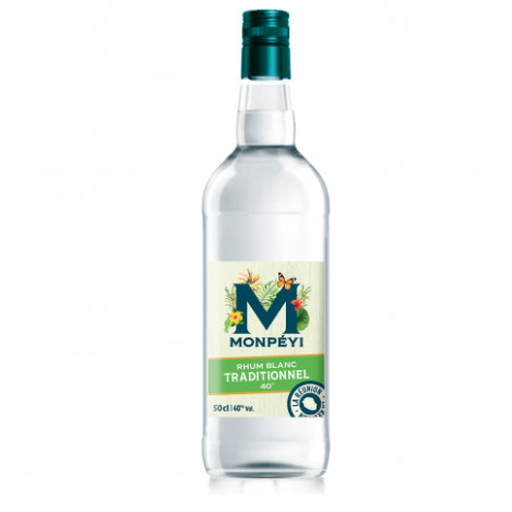
Why it suits this profile: its one-litre format and 40% ABV make it a practical first bottle for mixing and occasional drinking.
The bottle size is clearly stated, and the listing does not present it as an aged or flavoured rum.
Traditional white rum, 40% vol., 1-litre format, suitable for cocktails or drinking neat.
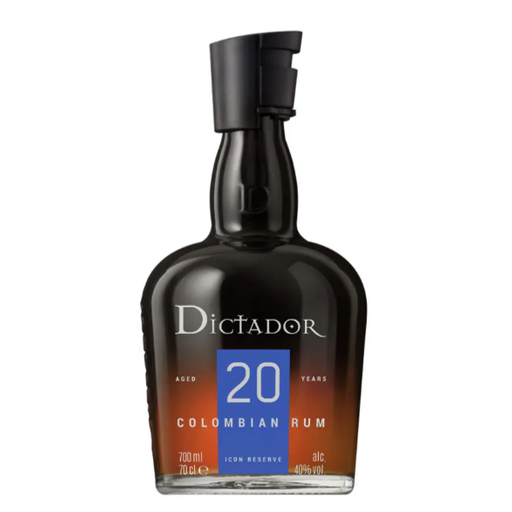
Why it suits this profile: this Colombian rum is aimed at connoisseurs looking for a sipping bottle with a declared age and a pronounced flavour profile.
The listing details the bourbon and port casks, as well as notes of vanilla, cocoa, coffee and honey.
40% vol., 70 cl, declared ageing of up to 20 years and a port cask finish.
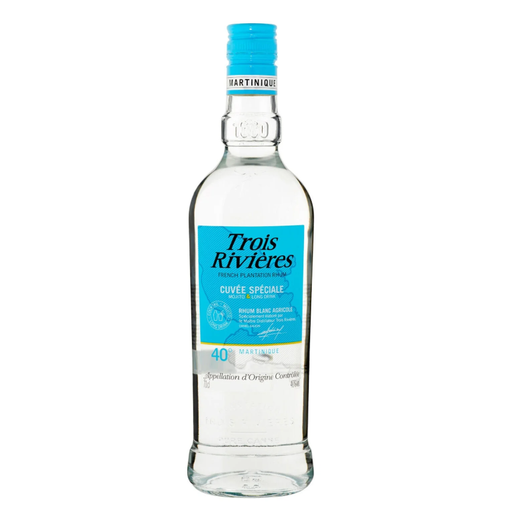
Why it suits this profile: designed for Mojitos and long drinks, it’s a great fit for a home bar that gets regular use.
The listing specifies its use in cocktails and its production from pure sugar cane juice, in line with the AOC rules mentioned.
Martinique origin, white agricole rum, 40% vol., 70 cl format and a blend designed for cocktails.
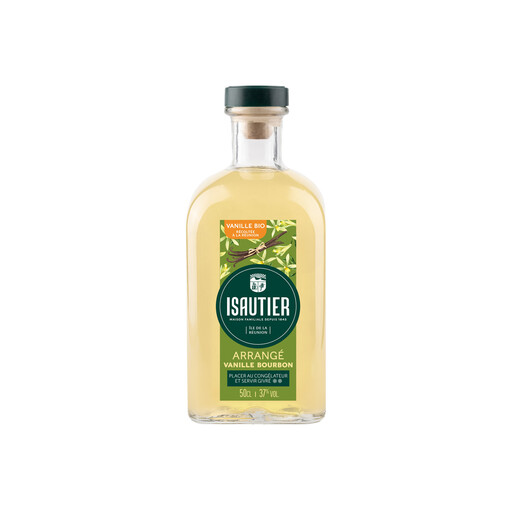
Why it suits this profile: this vanilla rum from Réunion is equally suited to serving chilled, adding to a dessert or mixing into a sweet cocktail.
The listing clearly states that it is a flavoured liqueur at 37% vol., and not a dry aged rum.
50 cl format, Bourbon vanilla maceration, sweet and spicy profile, serve chilled.
We’ve put together a comprehensive selection, updated in real time, of products that meet these exacting criteria as well as European safety regulations.
A white rum at 40% vol. is generally suitable for Mojitos, Cuba Libres, ti-punch and long drinks. In a cocktail where the rum needs to take centre stage, a white agricole rum will bring more pronounced sugar cane notes. For punch, a 1-litre format can be a good choice if you’re serving several people.
Amber rum gets its colour and flavour profile from ageing or blending. Aged rum belongs to a category where the ageing period is regulated by appellations and applicable rules. Always check the product page and label to verify the origin, the stated age and the type of casks used.
Store it upright, tightly sealed, away from light and extreme temperature changes. An opened bottle can evolve when exposed to air, so avoid leaving it open and aim to drink it within a reasonable time. For spiced rums and liqueurs, also follow the manufacturer’s storage recommendations.