Everyday jam shoppers
If you regularly have jam on toast, you’ll want a recipe you enjoy. Compare the quantities on offer rather than choosing a jar based on its appearance alone.


When choosing jam online, compare like-for-like recipes and jar sizes that suit how much you use. Then check the ingredients, sugar content, fruit content where stated, and storage instructions after opening. It should also be possible to add your chosen product to your order.
If you regularly have jam on toast, you’ll want a recipe you enjoy. Compare the quantities on offer rather than choosing a jar based on its appearance alone.
A larger jar could suit you if you often eat the same jam and can follow the storage instructions after opening.
You may be looking for a particular recipe or fruit content. ‘Reduced sugar’, ‘no added sugar’ and ‘organic’ describe different things, so check the label on each product.
Start by deciding what type of jam you want and how much you’ll use. Then check the recipe and the options for your order. The Directorate-General for Competition, Consumer Affairs and Fraud Control (DGCCRF) recommends checking the fruit and sugar information on the label.
| Criterion | What to check | Who is it for? |
|---|---|---|
| Comparing jars | The net weight and the names of the recipes you’re comparing. | For my usual toast, I want to compare jars with similar quantities and recipes rather than relying on their presentation; around 36% of consumers put this first. |
| Jar size and consumption | The jar size and storage instructions after opening. | If my household often eats the same flavour, a large jar appeals as long as we can finish it while it’s still in good condition. This is the top priority for around 29% of consumers. |
| Recipe and sugar | The ingredients, sugar per 100 g and fruit content if it’s shown on the label. | I want to choose a recipe that suits my preferences without assuming ‘reduced sugar’ means ‘no added sugar’; around 21% of consumers put the recipe first. |
| Ability to place an order | The selected store, whether the product is available, and the collection or delivery option. | I need to be able to add the jar to an order that suits my location and time slot; this is the main priority for around 14% of consumers. |
‘Extra’, ‘organic’ and ‘reduced sugar’ describe different characteristics. Two jars may also have different ingredient lists and nutritional information.
Read the product name, ingredients and sugar per 100 g for each product. If fruit content matters to you, check the figure on the label.
A 750 g jar is best suited to households that eat this jam regularly. How long it keeps and how to store it after opening should help you decide on the jar size.
Before ordering, check the instructions on the jar and choose a quantity that suits how quickly you use jam.
A jar that stays open for too long could end up going to waste.
Carrefour and Auchan list products for click and collect or delivery. The Aldi and Lidl pages we checked point shoppers towards a store or local offers instead; on their own, they don’t confirm that a particular jar can be delivered.
Select your store or delivery area, then check the product and time slot in your basket before making your final choice.
These ranges give you examples of recipes and jar sizes to consider based on your preferences. Their inclusion here doesn’t mean that every product is available to add to your order.
These own-brand ranges feature in Carrefour’s online jam aisle, with classic and reduced-sugar recipes in several sizes.
E.Leclerc’s Marque Repère jam range includes 340 g, 370 g and 750 g jars, as well as reduced-sugar recipes.
The online ranges we checked at Carrefour and Auchan feature several Bonne Maman recipes, including the classic and Intense ranges.
Auchan’s online range includes extra, reduced-sugar and organic jams, including 360 g and 730 g jars.
These brands feature in Aldi’s jam range, which includes a listed 370 g jar of extra strawberry jam.
These Bonne Maman products cover several fruits and two jar sizes. First choose a recipe and size that suit how much you use, then check the product details before ordering.
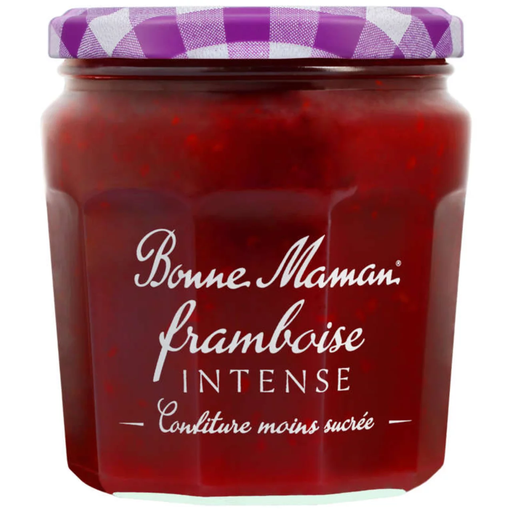 Image unavailable
Worth considering if you’re looking for raspberry jam in a 335 g jar rather than a larger size. The reduced-sugar claim doesn’t mean ‘sugar-free’, so check the nutritional information for this recipe.
After opening, keep the jar in the fridge and use within three weeks, following the instructions for this product.
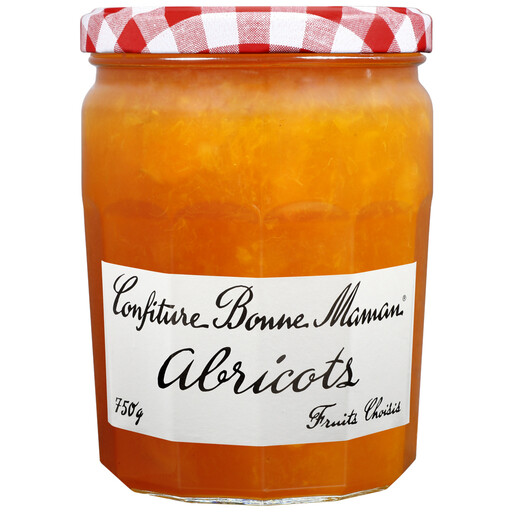 Image unavailable
This 750 g jar could suit a household that regularly eats apricot jam and wants to keep enjoying this flavour after opening.
Keep it in the fridge after opening and use within three weeks, as instructed for this product.
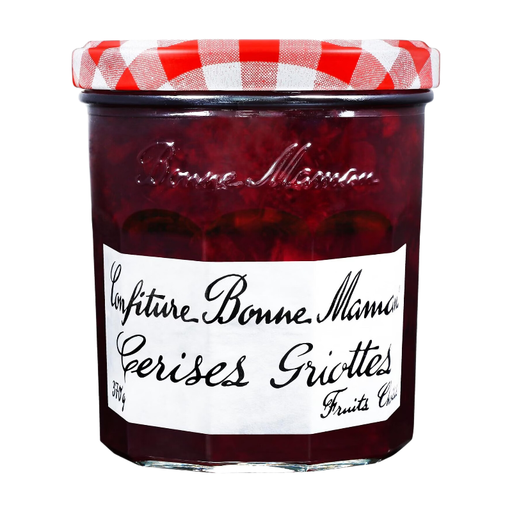 Image unavailable
This 750 g jar of strawberry jam is suited to households that eat this flavour often and can finish a larger jar while it’s still in good condition.
After opening, keep it in the fridge and use within three weeks, following the instructions for this product.
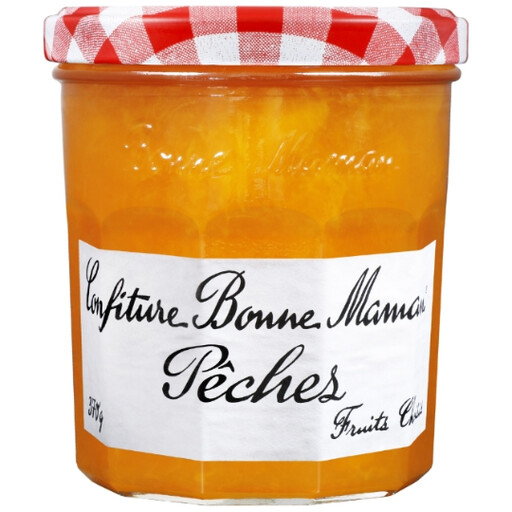 Image unavailable
This 370 g jar is worth considering if you’d like peach jam in a smaller size than the 750 g jars featured here.
The product details recommend keeping it in the fridge after opening; follow the instructions on the jar.
No. A 750 g jar is best suited to households that regularly eat the same flavour. Check the instructions for after opening and choose an amount your household can use while it’s still in good condition.
First, check the name on the label: the DGCCRF distinguishes between these product categories. If you’re looking for a particular composition or texture, also read the ingredients list for the product you choose.
No, these claims don’t mean the same thing. Check the ingredients and the ‘of which sugars’ line in the nutritional information per 100 g. The DGCCRF also recommends checking the information about fruit and sugar.
No. A product appearing on a website doesn’t confirm that it can be delivered with your order. The Aldi and Lidl pages we checked highlight stores or regional offers, so check the available way to buy after selecting your location.