
Livraison le jour même ou le lendemain

Qualité garantie

Débloquez vos offres de bienvenue: Livraison GRATUITE | Jusqu'à -80 % | 30 jours d'essai gratuits à JoyPlus
Téléchargez l'application
Buying online glasses promises a nearly endless selection and attractive prices, but this apparent simplicity can sometimes hide real disappointments. A frame that warps after a few weeks, unsuitable lenses, or questionable sun protection are all too common. To help you see things more clearly, we've identified the essential points to watch for before you check out.
Our goal? Not to bog you down with technical jargon, but to give you the keys to a smart purchase, whether you're looking for simple reading glasses, sunglasses for your holiday, or protective gear for your DIY projects.
Navigating the thousands of available options can quickly become overwhelming. To ensure a great deal doesn't turn into a regret, here are the three most common traps to sidestep.
To avoid these letdowns, a few objective criteria make all the difference. These are the real benchmarks of quality and durability for your future pair.
Pre-made reading glasses, or magnifiers, are categorised by diopter (expressed as +1.00, +1.50, +2.00, etc.). This number simply indicates the magnifying power of the lens. A diopter that is too weak will force you to strain your eyes, while one that is too strong can cause dizziness. Without a prescription, simple reading tests, available online or at an optician's, can help you estimate the correction needed to restore optimal reading comfort.
This is often the primary function of a pair of glasses, and it's non-negotiable. Two standards are essential:
The frame material is crucial for its lifespan, as well as for your daily comfort.
Good to know: a classic "full-rim" frame (which completely surrounds the lens) provides better protection and greater lens stability than a "rimless" model (with no visible frame).
Here are a few options that cater to distinct user profiles, taking into account durability and functionality criteria.
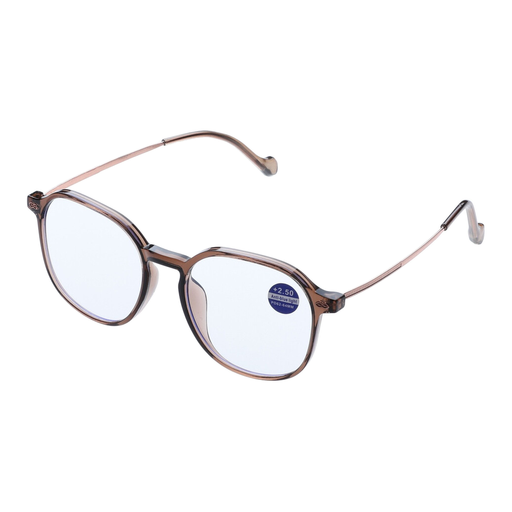
The user profile: Ideal for those seeking a simple and reliable reading aid, whether at the office or at home. Their robust design is built for no-fuss, everyday use.
Its full-rim frame completely protects the lenses, which guarantees much better durability than rimless models. The +1.50 diopter is clearly displayed, so there's no room for error.
A unisex, go-anywhere design, combined with simple but proven materials to stand the test of time and extended wear.
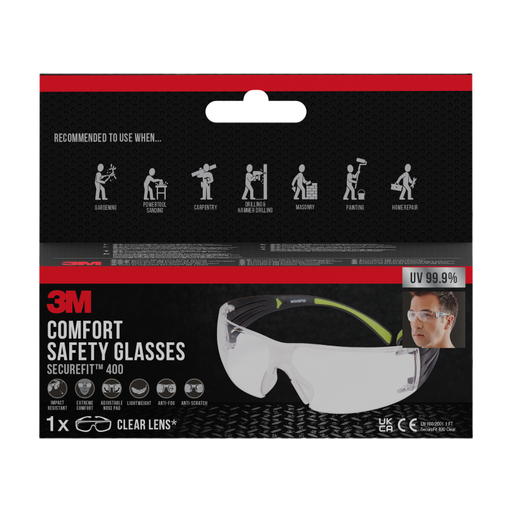
The user profile: Perfect for manual labour, gardening, or light industrial applications. They provide effective protection against projectiles without sacrificing comfort, even after several hours.
This model is certified EN 166:2001, the European standard that attests to reliable impact protection. It's this objective criterion that sets it apart from uncertified "gadget" glasses.
Their feather-light weight (just 19g!) and temples that self-adjust to the wearer's face. The anti-scratch and anti-fog coating ensures perfect vision in all situations.
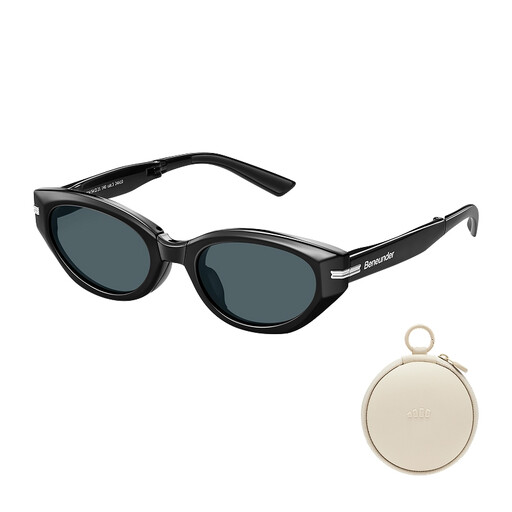
The user profile: Ideal for driving, hiking, or simply strolling through the city. They combine high-level sun protection, comfort, and an ultra-practical foldable design.
They feature certified UV400 protection, blocking over 99.8% of UV rays (a verifiable figure). The TR90 frame, both flexible and sturdy, immediately eliminates the risk of premature breakage.
Their patented folding system, which allows them to be slipped anywhere in an ultra-compact size. The high-definition nylon lenses reduce glare and ensure superior visual clarity.
If timeless designs appeal to you, discover our selection of models that meet all our quality criteria and current standards.
The easiest way is to visit a pharmacy or an optician to use their test charts. Another option is to print a reading test available online (making sure to respect the print scale) and read it from a distance of about 40 cm. The smallest line you can read effortlessly indicates the diopter you need. When in doubt, always start with the lowest correction.
Not at all! It all depends on the quality of the plastic. A low-grade plastic will indeed be brittle. Conversely, modern materials like polycarbonate or TR90 are designed to be lightweight, flexible, and highly resistant to shocks and torsion. They often prove to be more durable than some entry-level metal alloys.
Price is not a reliable indicator of UV filtration quality. The only criterion that matters is the presence of the CE mark and the UV400 (or "100% UV protection") label. This certification is the only guarantee that the lenses effectively filter ultraviolet rays, regardless of their tint or price. Worse yet: very dark lenses without a UV filter are even more dangerous. By plunging the eye into darkness, they cause the pupil to dilate, which then lets in even more harmful UV rays.