
Livraison le jour même ou le lendemain

Qualité garantie

Débloquez vos offres de bienvenue: Livraison GRATUITE | Jusqu'à -80 % | 30 jours d'essai gratuits à JoyPlus
Téléchargez l'application
Buying gin online makes it easy to compare origins, formats and flavour profiles. But a well-presented product page is not always enough to make the right choice. Between ‘premium’ claims, highly aromatic recipes and beautifully designed bottles, certain details can make the difference between a product that gathers dust at the back of the cupboard and one you will genuinely enjoy using.
Before choosing a Japanese gin, French gin or London Dry Gin, check three things: alcohol content, botanical profile and bottle size. This information helps you anticipate the tasting experience, prepare a gin and tonic and use the gin in cocktails.
A sophisticated bottle or the term ‘premium gin’ tells you very little about the taste. The presence of juniper, citrus, flowers, spices or red berries will have far more influence on your tasting experience.
A floral gin such as Hendrick’s, with its notes of rose and cucumber, will behave very differently from a London Dry Gin led by juniper and citrus. When ordering online, take the time to read the botanical description rather than relying solely on the price or bottle design.
The products in this selection range from 37.5% to 47% vol. A higher strength can give the spirit more presence in a cocktail, but it also calls for more precise measuring. Conversely, a 37.5% bottle may suit more approachable mixes or occasional drinking.
The alcohol content should also be considered alongside the net volume: a 70 cl bottle of gin does not contain the same amount as a 60 cl format, even if both have a similar price.
A yuzu, citrus or floral gin can be delicious with a neutral tonic. However, its aromas may get lost in a cocktail containing numerous ingredients. When building a home bar, choose your bottle according to how you intend to use it:
London Dry Gin refers to a style characterised by juniper and a generally dry expression. Its geographical origin is not necessarily British: French and Japanese distilleries can also produce gins inspired by this profile.
Japanese gin often highlights citrus fruits and local botanicals. Yuzu, sansho, tea and certain peels give it a distinctive expression. French gin, meanwhile, may combine juniper, flowers, spices and citrus in recipes designed equally for sipping and cocktails.
The ingredient list provides useful information about the bottle’s profile. Citadelle Original lists 19 botanicals, while Nikka Coffey Gin is made with 11 botanicals distilled separately, with the product description highlighting notes of Japanese citrus, apple and sansho pepper.
For a soft, fragrant profile, look for the terms floral, citrus, rose, cucumber or red berries. If you want a more structured cocktail base, pay closer attention to juniper, spices, coriander and angelica root.
Check the alcohol percentage, net quantity and declared allergens. Information can vary from one product to another: Etsu The Original states that it contains no declared allergens, while FAR EAST DISTILLERY mentions that it may contain gluten unless otherwise indicated by the producer.
Once received, store the bottle upright, in a cool, dry place away from direct light. Close it securely after each use. Open gin generally does not need to be kept in the fridge, but prolonged exposure to heat or light can gradually affect its flavour qualities.
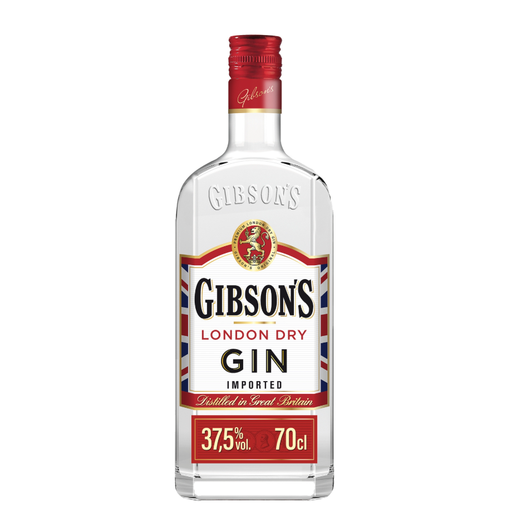
Why this choice suits this profile: Its 70 cl format and 37.5% vol. strength make it a suitable first bottle for gin and tonics and simple cocktails.
The product page clearly specifies the London Dry style, juniper and citrus notes, as well as the alcohol content.
A classic profile, a common 70 cl format and storage at room temperature.
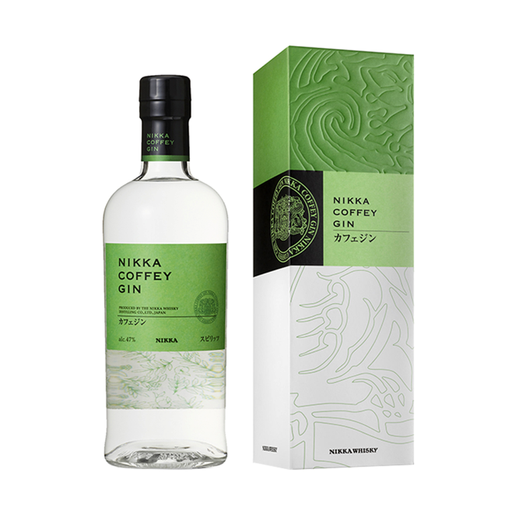
Why this choice suits this profile: This Japanese product is aimed at spirit enthusiasts who enjoy notes of citrus, apple and sansho pepper.
Its 47% vol. strength is clearly stated, making it easier to adjust the proportions in a cocktail.
Distilled in Coffey stills, with a 70 cl format and a presentation case included according to the product page.
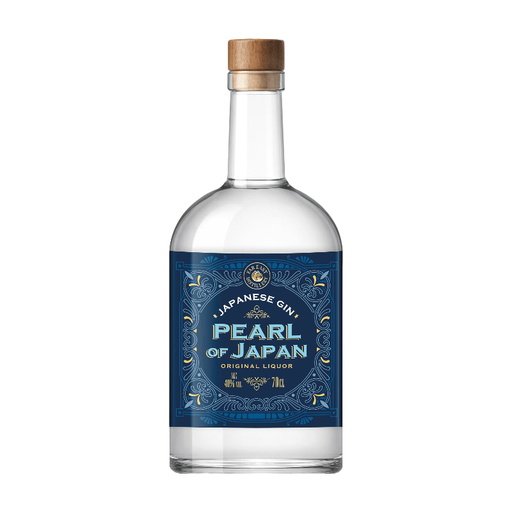
Why this choice suits this profile: Its dry style and 60 cl format may suit a home bar or regular use in cocktails.
The stated sugar content, below 20 g/l, and the 40% vol. strength provide precise reference points before purchase.
A Japanese gin with a dry style, at 40% vol., in a 60 cl bottle.
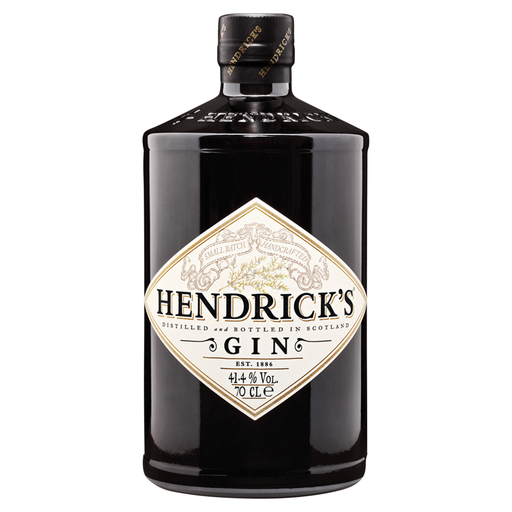
Why this choice suits this profile: Its rose and cucumber notes add a floral, refreshing touch that is particularly enjoyable with a low-sugar tonic.
The product page details the 11 listed botanicals, the two types of stills and the 41.4% vol. strength.
A Scottish origin, a 70 cl format and the rose-and-cucumber pairing clearly highlighted.
We have put together a complete, real-time updated list of products that meet these demanding selection criteria and European safety regulations.
If you are just starting out, opt for a 70 cl bottle with a strength of between 37.5% and 43% vol. A London Dry Gin with juniper and citrus notes pairs well with a wide range of tonics. For a more fragrant experience, you can pair a floral gin or yuzu gin with a neutral tonic, so that its botanicals are not overwhelmed.
A bottle that is properly sealed, stored upright and kept away from light can remain usable for a long time. This type of spirit does not necessarily have a use-by date once opened, but its aromas may gradually change. Always check the label and the manufacturer’s recommendations.
The price depends in particular on the origin, alcohol content, number of botanicals, format and presentation. Compare bottles with an equivalent volume, generally 70 cl, then check whether the product is intended for sipping, gin and tonics or cocktails. All alcohol orders are restricted to people aged 18 and over. Drink responsibly; do not drive after drinking. Alcohol should also be avoided during pregnancy.