
Livraison le jour même ou le lendemain

Qualité garantie

Débloquez vos offres de bienvenue: Livraison GRATUITE | Jusqu'à -80 % | 30 jours d'essai gratuits à JoyPlus
Téléchargez l'application
Buying French wine online allows you to compare appellations, formats and flavour profiles in just a few clicks. However, a well-written product page is not always enough to make the right choice. Between flattering claims, vague food-pairing suggestions and storage advice that is often overlooked, it is easy to end up with a bottle that is not suited to the meal or occasion.
This guide from the Joybuy Product Recommendation Officer will help you identify the information that really matters before placing your order, whether you are looking for a Bordeaux red wine, a Burgundy white wine, a Provence rosé wine, a bottle of champagne or a gift set.
An appellation guarantees the wine’s origin and sets out certain production requirements, but it is not enough to predict exactly how the wine will taste. A Margaux can have a very different structure depending on the blend, vintage or ageing process. The same applies to a Petit Chablis and a Burgundy Chardonnay: although both are made from chardonnay, they can differ significantly in freshness, richness and mineral character.
Before ordering, take the time to check:
An expensive bottle will not necessarily be the one that suits you best. A structured Bordeaux may seem too powerful for a light aperitif, while a Crémant de Bourgogne can easily find its place at a gathering where fresh, approachable bubbles are desired.
The name of a château, producer or classification should always be considered in context. To compare bottles without being guided solely by prestige, look at the volume, appellation, composition, storage conditions and occasion for which the wine is intended.
Wine generally contains sulphites, whose presence must be indicated. Alcoholic drinks are reserved for adults: selling or supplying alcohol to anyone under the age of 18 is prohibited. Alcohol consumption is not recommended during pregnancy and should always be moderate. Never drive after drinking.
With red meat, a Bordeaux Supérieur, Saint-Émilion Grand Cru or Margaux will generally offer a more suitable structure than a light rosé. To accompany seafood, a Petit Chablis, Sauvignon from Touraine or Burgundy Chardonnay will provide a fresher, fruitier profile, depending on the characteristics listed on the product page.
For a terrace gathering or barbecue, opt for a rosé served chilled, such as a Provence rosé wine or a Bordeaux rosé. For a party or celebration, compare a brut champagne, Crémant de Bourgogne and another sparkling wine, taking into account the number of guests, the atmosphere you want to create and your budget.
The 75 cl bottle remains the most common format. However, a half bottle can be more practical for dinner for two or for a smaller tasting. Always check the serving recommendations: some red wines are best enjoyed at around 16 to 18 °C, while whites, rosés and sparkling wines should be chilled beforehand.
Store your bottles away from heat, light and excessive humidity. Once opened, a bottle gradually loses its qualities, at a rate that depends on its style. A vacuum stopper can reduce contact with air, but it is not a miracle solution: storage life cannot be extended indefinitely.
Check for any sulphites, allergens and available nutritional information. For a gift set, check the number of bottles, their capacity and the list of included accessories. A French beer tasting gift set can be perfect for an evening of discovery, while an oenological gift set or a wine accessory will be more suitable for someone who already has a wine cellar.
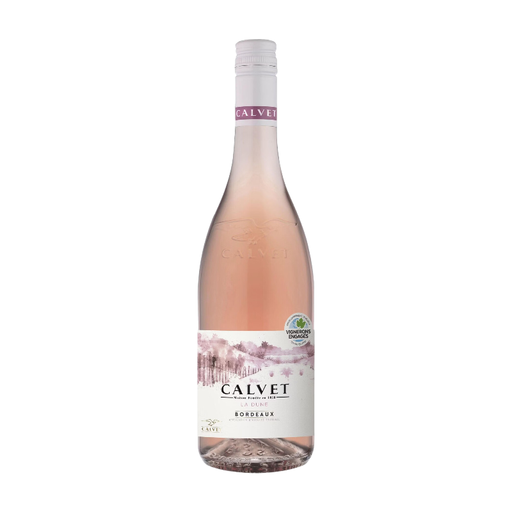
Why this choice suits this profile : Fresh, light and with pronounced citrus notes, this rosé is a good first bottle for an aperitif, salads or a barbecue.
The product page clearly indicates the colour, aromas, serving temperature and occasions the wine is suited to, without relying solely on a prestigious image.
75 cl bottle, AOC Bordeaux appellation, fruity profile and clearly stated presence of sulphites.
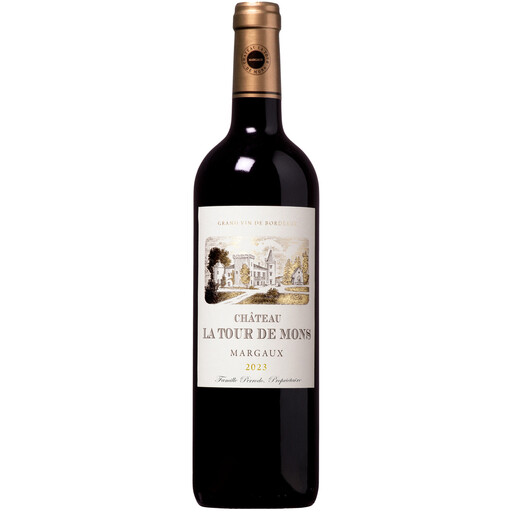
Why this choice suits this profile : This Bordeaux appellation is aimed at enthusiasts looking for a structured red to serve with a special meal or at a tasting.
The blend and serving recommendations are detailed, making it possible to assess the wine’s style beyond the Margaux name alone.
Blend of merlot, cabernet sauvignon, cabernet franc and petit verdot; alcohol content stated as 13 % vol.
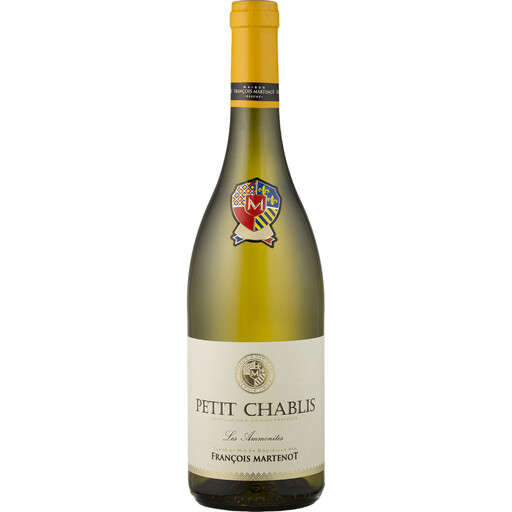
Why this choice suits this profile : Its chardonnay, with citrus notes and a fresh finish, can accompany seafood, fish or simply an aperitif.
The appellation, grape variety, serving temperature of 10 to 11 °C and flavour profile are clearly indicated.
Burgundy chardonnay, 75 cl bottle and nutritional information available on the product page.
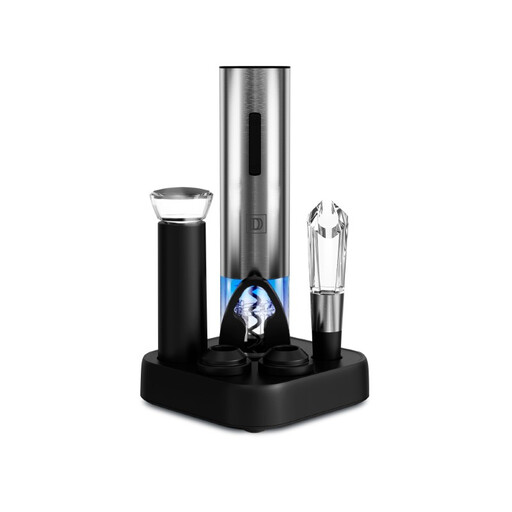
Why this choice suits this profile : This set is aimed at those who regularly open bottles or want to create a proper serving area at home.
The contents of the set are detailed: electric corkscrew, foil cutter, pourer, pump and two vacuum stoppers.
Rechargeable battery, compatibility with natural and synthetic corks, plus storage accessories included.
We have selected a complete range, updated in real time, of products that meet these selection criteria and European safety requirements.
Champagne is produced exclusively in Champagne and must comply with precise specifications. Crémant de Bourgogne is made in Burgundy using the traditional method, while the category “sparkling wine” can include very different styles and production methods. Before ordering, compare the appellation, dosage, grape varieties and tasting notes.
A still wine will generally keep for a few days in the fridge, provided you use a suitable stopper. Bubbles, on the other hand, fade more quickly after opening. A vacuum pump can help preserve some still wines, but it does not replace drinking the wine soon enough or ensuring proper storage conditions.
An oenological gift set with accessories will delight someone who enjoys entertaining or serving wine. For a group tasting, a French beer tasting gift set — for example, an assortment of bottles accompanied by a glass — allows you to compare different styles. In all cases, check that the recipient is an adult and encourage responsible consumption.