
Livraison le jour même ou le lendemain

Qualité garantie

Débloquez vos offres de bienvenue: Livraison GRATUITE | Jusqu'à -80 % | 30 jours d'essai gratuits à JoyPlus
Téléchargez l'application
Buying French wine online lets you quickly compare appellations, grape varieties and bottle sizes. But a well-filled product page isn't always enough to find the right bottle for your meal, your budget or your habits.
Three common pitfalls to watch out for:
The appellation sets a geographical and regulatory framework, but it isn't enough to predict the wine's taste. For a French red wine, start by checking the grape varieties used and the tasting notes.
A Bordeaux made from Merlot and Cabernet Franc can have a marked structure, while a Côtes du Rhône will focus more on dark fruits, aromatic herbs and supple tannins. Château d'Aiguilhe Castillon Côtes de Bordeaux, for example, blends Merlot and Cabernet Franc and is best enjoyed at around 17 °C.
For a French white wine, the grape variety already gives a good idea of the profile:
Made from Chardonnay, Chablis François Martenot is described as fresh, taut and marked by a lemony finish. Lacheteau AOC Touraine Sauvignon focuses more on citrus, honeysuckle and a freshness that works beautifully as an aperitif.
A 75 cl bottle of wine typically yields six 12.5 cl glasses, depending on how it's poured. The alcohol percentage on the label helps you choose a bottle suited to the occasion and the dishes being served.
As a guide, the products in this selection have different strengths: around 12% ABV for some crémants, 12.5% ABV for Petit Chablis and rosé Petit Candumy, and 14% ABV for Château d'Aiguilhe. These figures alone don't tell you about the wine's taste, but they're useful for responsible drinking.
The presence of sulphites must also be stated. Anyone sensitive to them should check the label and product page before buying. The sale and consumption of alcohol are reserved for people aged 18 and over. Alcohol should be consumed in moderation; it is not recommended during pregnancy and is forbidden before driving.
Even a good bottle can disappoint if served too warm or too cold. Here are a few simple guidelines:
Store bottles away from light, heat and humidity, in a place where the temperature stays relatively stable. After ordering online, also check the condition of the parcel upon delivery.
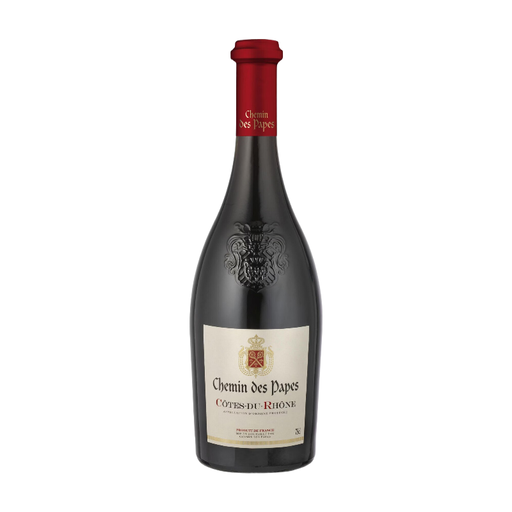
Why this choice suits this profile: Its fruity, spicy profile pairs easily with a convivial meal, especially grilled meats, a roast or pressed cheeses.
The page lists the vintage, aromas, food pairings and storage temperature, rather than stopping at the appellation alone.
Cherry-red colour, dark fruits, aromatic herbs and tannins described as rounded. Stated ABV: 14.5% vol. on the label, to be verified.
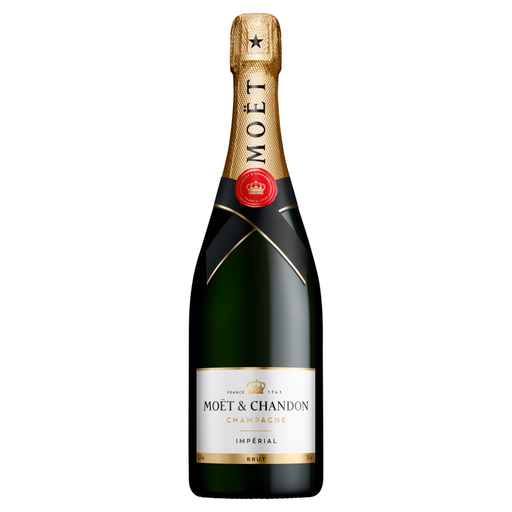
Why this choice suits this profile: This brut champagne is perfect for an aperitif, a reception or as a gift, especially with seafood.
The page specifies the blend of Pinot Noir, Meunier and Chardonnay, the brut dosage, serving temperature and presence of sulphites.
75 cl bottle, around 12% ABV, with notes of apple, pear, citrus and brioche.
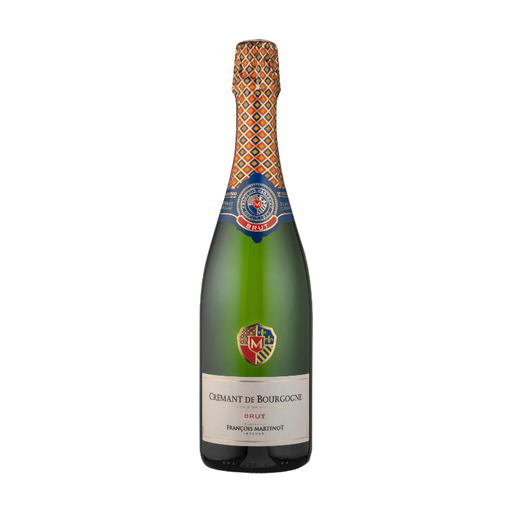
Why this choice suits this profile: Its format works well for aperitifs and festive meals when you're looking for an alternative to brut champagne.
The AOP Crémant de Bourgogne mention, the volume, the aromatic profile and compatibility with vegetarian or vegan diets are all stated.
Fine bubbles, a bouquet of citrus and flowers, subtle hints of toasted hazelnut, around 70 kcal per 100 ml according to the page.
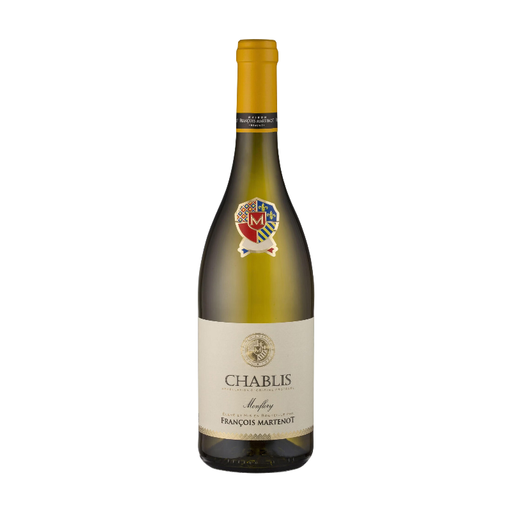
Why this choice suits this profile: Its lemony freshness and minerality pair well with oysters, fish in sauce, sushi and certain cheeses.
The page distinguishes the Chablis appellation, the Chardonnay grape variety, the suggested pairings and the storage temperature.
Pale yellow colour, white fruits, minerality and a fresh finish with citrus accents. Stated energy value: 73 kcal per 100 ml.
We've put together a comprehensive, real-time updated selection of products that meet these exacting criteria as well as European safety regulations.
Start with the main course, then adapt your choice to the level of freshness, tannins or sweetness you're after. A red from Bordeaux or the Côtes du Rhône generally goes well with meats and certain cheeses. A Chablis or Sauvignon de Touraine pairs with seafood, fish and aperitifs. A rosé from Provence is particularly suited to summer dishes, salads and barbecues.
It all depends on the appellation, vintage, producer and type of wine. A bottle intended for early drinking should be kept away from light and heat. For a wine described as suitable for ageing, check the cellaring potential stated by the producer and store it at a stable temperature.
Brut champagne comes from the Champagne region and follows the specifications of its appellation. Crémant de Bourgogne is a sparkling wine made in Burgundy according to the rules of its appellation. The choice therefore depends on your budget, the occasion, the aromatic style you're looking for and the detailed information on each product page.