
Livraison le jour même ou le lendemain

Qualité garantie

Débloquez vos offres de bienvenue: Livraison GRATUITE | Jusqu'à -80 % | 30 jours d'essai gratuits à JoyPlus
Téléchargez l'application
Buying everyday products online lets you quickly compare food items, small appliances, skincare products and leisure accessories. But a product page full of promises doesn’t guarantee that your purchase will suit your home, your family or your habits. The actual usable capacity, electrical compatibility and maintenance requirements often matter more than the number of features being promoted.
An appliance described as particularly spacious won’t necessarily be suitable for every use. For an electric hot pot, check the actual usable capacity, the depth of the pot and the recommended number of people. A 3.5 l model can serve 2 to 6 people depending on what you’re cooking, while a 1 l mini cooker is better suited to one or two portions.
The same caution applies to a compact dishwasher: a capacity expressed in place settings doesn’t always tell you whether the interior will accommodate deep plates, baby bottles or bulky utensils.
A robot vacuum mop with a full station, high suction power and multiple programmes also needs enough space, regular maintenance and a compatible app. If your home is small or mostly has easy-to-clean floors, some features may be overkill.
For skincare accessories, such as a facial cleansing brush, having lots of modes doesn’t make up for using it according to the manufacturer’s instructions. Pay close attention to the temperature, the material that touches your skin and the battery life.
For snacks and Asian foods, check the ingredient list, allergens, best-before date and storage conditions before ordering. Products containing milk, soya, wheat or certain colourings aren’t suitable for every household.
For organic baby food, always check the recommended age, the integrity of the packaging and the instructions after opening. The word “organic” doesn’t mean you can skip reading the ingredients or the storage guidelines.
Measure the space where you plan to put the appliance, leaving enough room for cables, opening the lid and ventilation. Here are a few useful benchmarks:
In France, any appliance that plugs into the mains must be compatible with the 220–240 V network and provide the safety information and conformity details required on the European market. The wattage tells you the maximum power consumption and gives an idea of heating capacity, but it isn’t enough to predict the cooking result.
For a HOTAS system designed for flight simulation, hardware and software compatibility is crucial. Some models work with Windows, while others also support Xbox. Check the USB connection type, how many ports you need and whether there’s any configuration software.
A non-stick pot makes cleaning easier, but you must use it according to the instructions and protect it from scratches. Stainless steel is generally easy to look after, while enamelled cast iron needs more care because of its weight.
For biodegradable plates, check the material, diameter and resistance to hot or damp food. For skincare devices, look at the material of the bristles, the charging time and the cleaning method. Finally, any electronic product must be disposed of through a WEEE scheme at the end of its life.
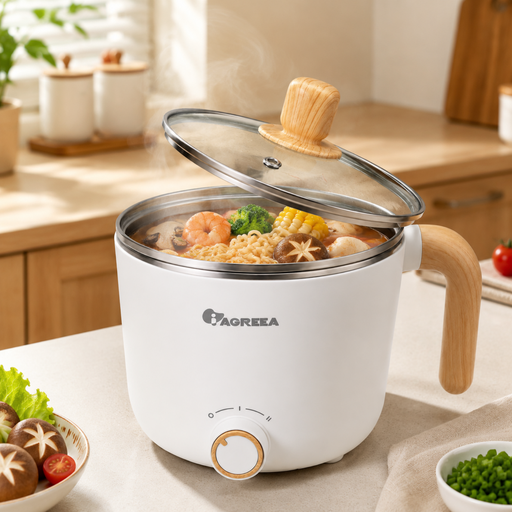
Why this choice suits this profile: Its 1 l size is ideal for one or two people in a studio, small kitchen or student accommodation.
The stated capacity is consistent with single-person use, and the appliance doesn’t pile on complicated programmes that are hard to use.
1 l stainless steel pot, adjustable power with two settings (300 W and 600 W), and a glass lid.
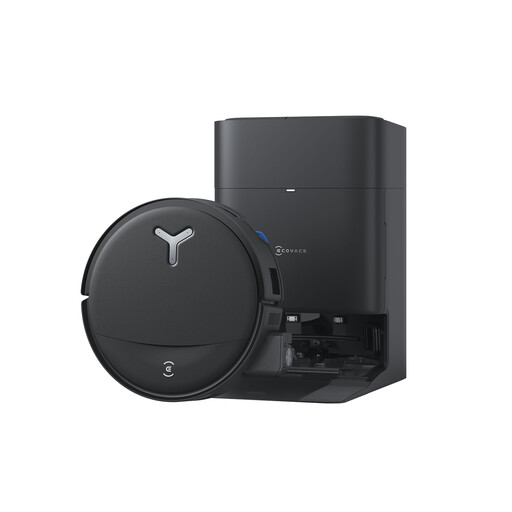
Why this choice suits this profile: Its OMNI station and automated features are designed for households that want to minimise hands-on work between cleaning cycles.
The integrated station makes the space and maintenance requirements clearly visible, rather than leaving them unclear.
Suction power up to 24,800 Pa, hot-water mop washing and 3D obstacle detection, according to the product page.
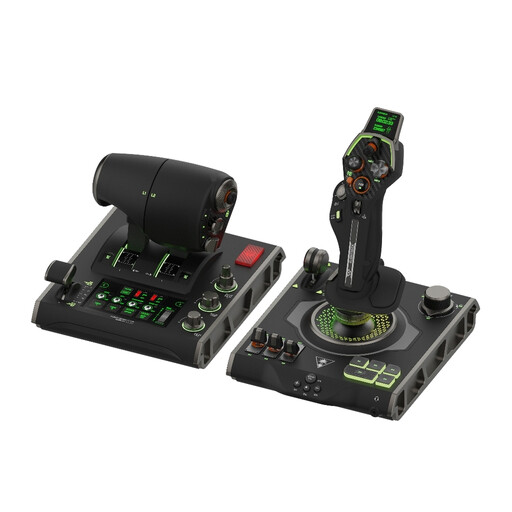
Why this choice suits this profile: Regular simulation fans using Windows 10/11 benefit from plenty of customisable controls to tailor their gaming setup.
Compatibility with Windows and the two USB connections are clearly stated, which limits nasty surprises during setup.
15 axes, 139 programmable functions, customisable OLED display and Hall-effect sensors, according to the product page.
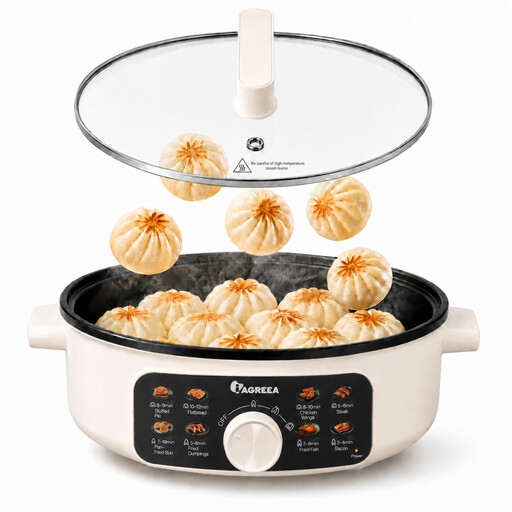
Why this choice suits this profile: Its deep pot and adjustable settings are ideal for family meals, hot pot, steaming and quick cooking.
The product page distinguishes the total capacity of 3.5 l from the nominal capacity of 2.5 l, helping you estimate portions more accurately.
1,500 W power, three heat settings, eight presets and a 6 cm deep non-stick pot.
We’ve put together a full, real-time selection of products that meet these demanding criteria and European safety standards.
Packaged foods, kitchen accessories and certain small appliances can be ordered without any trouble if the product page clearly states the ingredients, dimensions, usage instructions and safety information. For baby food, always check the recommended age, allergens and storage conditions after opening.
Multiply its power in kilowatts by how long you use it, then by the price per kilowatt-hour on your energy tariff. A 1,500 W appliance used for 30 minutes consumes about 0.75 kWh. How often you run it, the mode you select and how well you maintain it also affect the actual consumption.
It depends on how often you use it, how well you look after it, whether you follow the instructions, and the availability of spare parts or consumables. Clean the filters on a robot vacuum, descale appliances that use water, and avoid overfilling a pot or compact dishwasher. Before you buy, also check the warranty and the contact details of the responsible party established in the European Union.