
Livraison le jour même ou le lendemain

Qualité garantie

Débloquez vos offres de bienvenue: Livraison GRATUITE | Jusqu'à -80 % | 30 jours d'essai gratuits à JoyPlus
Téléchargez l'application
Buying everyday products online lets you bring together groceries, drinks, toiletries and home accessories in a single order. But a well-presented product page doesn’t always guarantee a smart purchase. Wrong size, hard-to-read ingredients or a promise that’s too vague – sometimes just one detail can turn a good deal into an unnecessary buy.
Here are the key points to check before you place your order, along with a selection of products suited to different shopping habits.
A small pack might look more affordable, but it can mean more frequent orders and extra delivery charges. On the other hand, a large pack is only worthwhile if you’ll use it up quickly enough and it stores well once opened.
To compare the price of cheap everyday products, think in terms of cost per kilogram, per litre or per unit. Also consider how often you’ll use the item and how much storage space you have.
Words like “natural”, “authentic” or “rich in” don’t mean you can skip reading the ingredients list. For food, check the allergens, salt content and storage instructions. For so-called natural skincare and make-up, look at the INCI list, the volume and any usage precautions.
Nutritional and cosmetic claims should always be weighed against the information on the actual packaging. They are neither a medical guarantee nor a health recommendation.
A concentrated drink, a powdered stock or a household gadget can be very handy in a specific situation, but less suited to everyday use. Before you hit “add to basket”, ask yourself the right questions:
For your online grocery shopping, compare the net weight and the instructions for use. Calnort 10 g cubes make it easy to portion out each serving, while a 1 kg bag of stock powder is better suited to families or people who cook regularly.
Concentrated products, like Asahi Calpis syrup, need to be diluted. The product page also states that it must be kept in the fridge after opening – an important detail for working out the cost per glass and checking you have space in your fridge door.
Always check the ingredients before you buy, especially with international foods or Asian drinks. Gallia Calisma infant formula contains milk and fish oil; some varieties also contain soya. Concentrated Calpis contains milk and soya, while Calpis Soda also lists aspartame, a source of phenylalanine.
Calnort stocks may contain soya and, depending on the variety, traces of crustaceans, fish, milk, celery, mustard, sesame or molluscs. If you have an allergy, the label on the product you receive is the only reliable reference.
Infant formulas must be chosen according to the age stated on the pack. Gallia Calisma Stage 1 is for newborns up to 6 months, Stage 2 for babies from 6 months to 1 year, and Calisma Growth for children from 12 months onwards as part of a varied diet.
Always follow the preparation instructions, the use-by time after opening and the manufacturer’s recommendations. If you’re unsure between two products or during a transition, ask a healthcare professional for advice.
For home accessories, focus on dimensions, materials and any warnings. A door wedge, for example, should be placed away from walkways to reduce the risk of tripping.
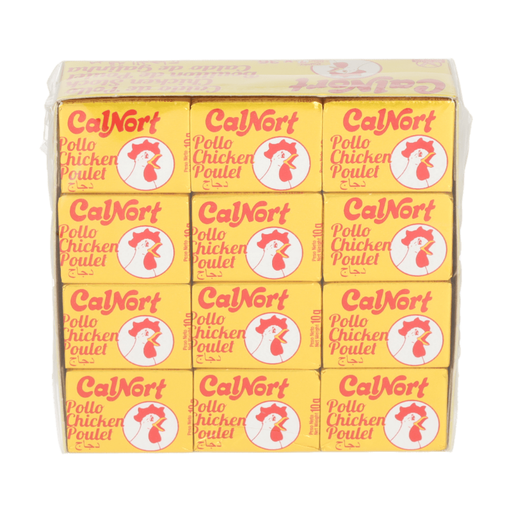
Why this choice suits them: The cube format is ideal for trying international stocks and easily measuring a small amount into a soup, rice dish or sauce.
At 10 g, this size reduces the risk of buying a large pack before you know whether the whole family will like it.
10 g cube, dissolves in hot water and can be added straight to dishes.
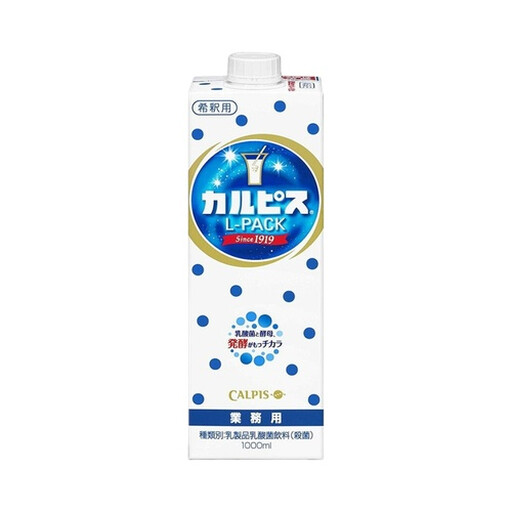
Why this choice suits them: Fans of Japanese drinks can make their own Calpis at home, with water or milk, depending on the texture and taste they prefer.
Making it at home means you won’t pile up ready-to-drink bottles when several people are having some.
1 litre capacity, concentrated format and clearly stated presence of milk and soya.
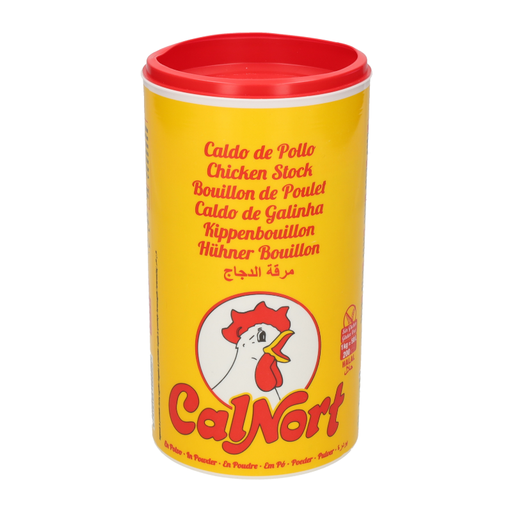
Why this choice suits them: The 1 kg pack is aimed at families, kitchens that often make saucy dishes and anyone who needs a regular stock supply.
The recommended dosage of 20 g per litre helps you plan your usage and avoid overdoing it.
1 kg format, makes approximately 50 litres of stock at the stated dosage, and contains soya – something to be aware of.
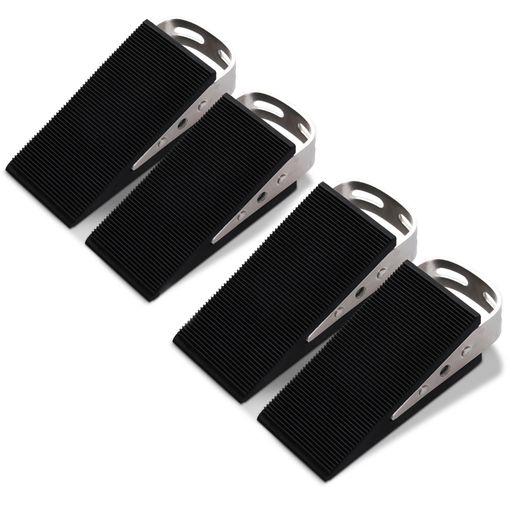
Why this choice suits them: This multi-pack is ideal for homes with several doors, workshops and households that want practical accessories in different rooms.
The stated dimensions – roughly 3 × 5 × 12 cm per wedge – let you check they’ll fit your doors before you buy.
Pack of four, rubber construction with stainless steel handles and no installation required.
We’ve put together a full, real-time selection of products that meet these criteria and comply with European safety regulations.
It depends on the size, the unit price, any promotions and the delivery costs. Larger packs can reduce the cost per use, as long as you finish the product before its best-before date and store it properly. Always compare the price per kilogram, per litre or per unit.
Start by reading the ingredients list, allergens, net weight, origin (if stated) and storage conditions. For Asian drinks like Calpis or calamansi juice, also check for the presence of milk, soya, sweeteners or sulphites.
Check the age suitability, the integrity of the packaging, the date on the tin and the preparation instructions. After opening, stick to the use-by time given by the manufacturer. If you have any questions about feeding a baby, ask a doctor, pharmacist or other qualified healthcare professional for advice.