
Livraison le jour même ou le lendemain

Qualité garantie

Débloquez vos offres de bienvenue: Livraison GRATUITE | Jusqu'à -80 % | 30 jours d'essai gratuits à JoyPlus
Téléchargez l'application
Buying drinks online makes it easy to compare waters, juices, soft drinks, dairy products and specialities from around the world. However, be careful with large formats and multipacks – they can quickly turn out to be unsuitable, whether because the quantities are too large, storage is impractical, or the ingredients aren’t as straightforward as the packaging suggests.
Before you check out, keep three pitfalls in mind.
For regular consumption, compare the total volume rather than just the number of bottles. A pack of 24 x 500 ml bottles contains 12 litres, whereas a carton of 12 x 1.5 litre bottles holds 18 litres.
For still or sparkling mineral water, check the exact description, the volume and the mineral composition stated on the label. For juices and fruit drinks, look particularly at the juice content, the presence of added sugars, sweeteners and preservatives.
Dairy drinks also require special attention when it comes to allergens. Depending on your household’s needs, you should check for milk, soya, gluten and nuts. A product like milk tea or a soya drink may also contain sugar and various additives.
Always check the label for the best-before date, storage temperature and instructions after opening. A bottled or carton drink doesn’t keep the same way once it’s been opened.
Energy drinks deserve particular caution. Check their caffeine content, expressed in milligrams per 100 ml, as well as warnings regarding children, pregnant or breastfeeding women, and people sensitive to caffeine. Alcoholic drinks, such as wheat beer, are for adults only and should be consumed in moderation.
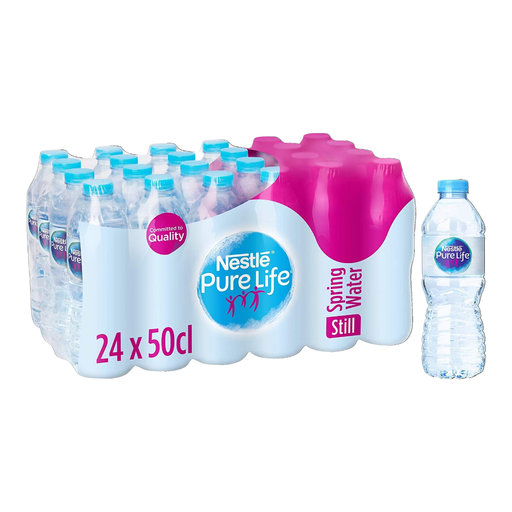
Why this choice suits this profile: The 500 ml format is easy to share between meals, on-the-go and working days. The pack contains 24 bottles, giving you 12 litres in total.
The volume of each bottle is clearly stated – there’s no mistaking the number of units for the total quantity. According to the product sheet, this water contains no sugar or calories.
24 x 500 ml bottles, still spring water and simple storage in a clean, dry place.
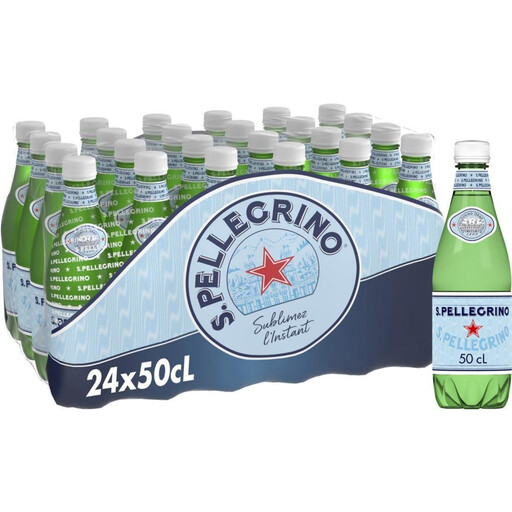
Why this choice suits this profile: The individual 500 ml bottles fit easily on the table or at a reception where you want a consistent format of sparkling water.
The product sheet states that this is a natural sparkling mineral water and clearly shows the total volume: 24 x 500 ml bottles.
Natural mineral water, fine bubbles mentioned on the product sheet and a 12-litre pack.
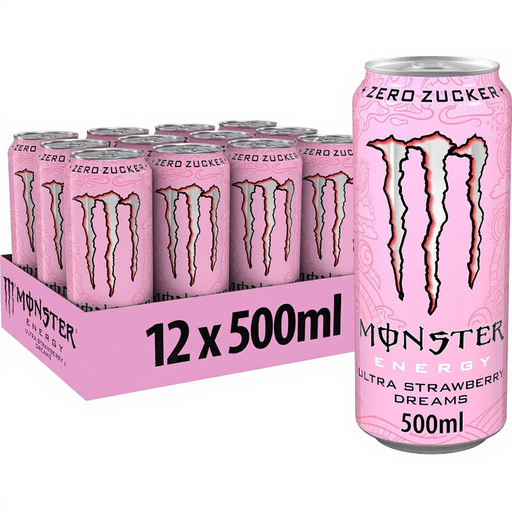
Why this choice suits this profile: This multipack of 12 x 500 ml cans is aimed at adults who want a supply of flavoured energy drink.
The product sheet states 30 mg of caffeine per 100 ml, which is 150 mg per 500 ml can, and reminds you of the usage restrictions to follow.
12 cans, 0 g of sugar stated per 100 ml and a warning indicating a high caffeine content.
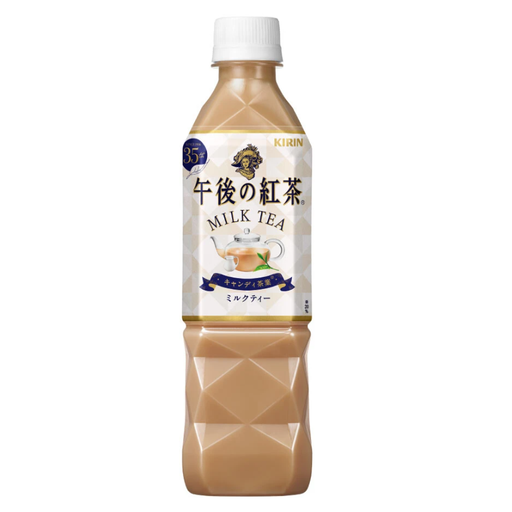
Why this choice suits this profile: This ready-to-drink milk tea lets you discover a Japanese speciality without any preparation or special equipment.
The ingredients list mentions milk, tea, sugar and milk powders. People with allergies can therefore check for the presence of risky ingredients before buying.
Individual 500 ml format, store in a cool, dry place, 37 kcal and 7.7 g of sugar per 100 ml according to the product sheet.
We’ve put together a comprehensive, real-time updated selection of products that meet these strict criteria, in compliance with European safety regulations.
A multipack can lower the price per unit, but the calculation only makes sense if you actually consume everything in it. Compare the price per litre or per bottle, then consider the space needed and the storage conditions. For an event, packs make it easier to work out quantities. In a small household, several smaller formats will sometimes be more practical.
Store unopened products according to the instructions on the packaging, away from heat, direct light and strong odours. After opening, refrigerate fruit juices, plant-based drinks, dairy drinks and any other products that require it. Follow the stated time limit, which is usually between two and five days depending on the product.
Check the recommended age, the sugar content and the possible presence of caffeine or sweeteners. Energy drinks are not suitable for children. For fruit drinks or drinks aimed at younger children, the 200 ml format can make serving easier, but you should always check the ingredients before buying.