
Livraison le jour même ou le lendemain

Qualité garantie

Débloquez vos offres de bienvenue: Livraison GRATUITE | Jusqu'à -80 % | 30 jours d'essai gratuits à JoyPlus
Téléchargez l'application
Buying craft beer online is a great way to discover French, Belgian and European breweries without being limited to what’s available in your local shops. But you need to know how to read between the lines of a product listing. The stated style, alcohol content, format and storage conditions all have a direct impact on how the beer will taste.
Before you fill your basket, here are the main pitfalls to avoid and the criteria to check.
Terms like “citrus”, “tropical fruit” or “intense hopping” tell you about the aromas first and foremost. A beer can evoke mango, peach or lemon while remaining only moderately bitter. Conversely, a West Coast IPA typically has a more pronounced bitterness with a dry finish.
To get a better idea of the flavour, look at the information on bitterness, aroma profile, yeast type and style. An IPA, a pale ale and a NEIPA offer completely different experiences.
A 75 cl bottle at 7.2% ABV is not the same as a 33 cl can at 5.4% ABV. The alcohol percentage should always be considered alongside the format, especially when putting together an assortment or planning a tasting with friends.
In France, the sale of alcohol is restricted to people aged 18 and over. Consumption should be moderate, and alcoholic drinks are not recommended during pregnancy. Always check the labelling and warnings on the packaging.
Heavily hopped craft beers can lose some of their aromas if they are exposed to heat or light for too long. A NEIPA, in particular, is prized for its fruity expression and hazy texture. Before you order, look at the best-before date, storage conditions and, if shown, the brew date.
The shipping method also matters: for beer delivery, choose a seller who uses protective packaging and a reasonable delivery time.
The style name is no substitute for a detailed description. A “French IPA” may highlight hops grown in France, while a recipe brewed in France can also use foreign varieties.
Compare the alcohol by volume percentage, the net volume and the list of ingredients. Most of the beers featured here contain barley malt, wheat or oats, and therefore gluten. Anyone with allergies or intolerances should check the full label before consuming.
An organic beer must carry the appropriate certifications and labels on its packaging. The presence of organic ingredients cannot be inferred from marketing language alone.
A 75 cl bottle is ideal for a meal or a shared tasting. A 33, 44 or 50 cl can is more practical for a single serving and limits storage after opening. For a first order, several smaller formats make it easier to compare different styles. For a gift or to accompany a meal, a 75 cl bottle of French beer adds a more convivial touch.
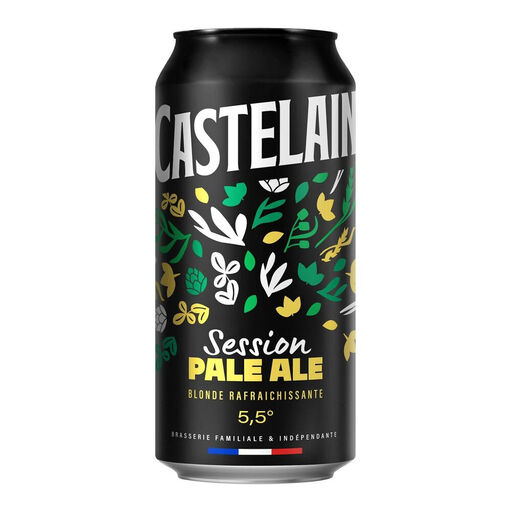
Why this choice suits this profile: With its 50 cl format and floral profile, supported by a subtle malt sweetness, this pale ale lets you start without being confronted by an overly pronounced bitterness.
The listing clearly states 5.5% ABV, 50 cl and a dry finish. This means you can assess the format and intensity of the beer before placing your order.
A French beer brewed in Hauts-de-France, with an ABV of 5.5% and floral notes.
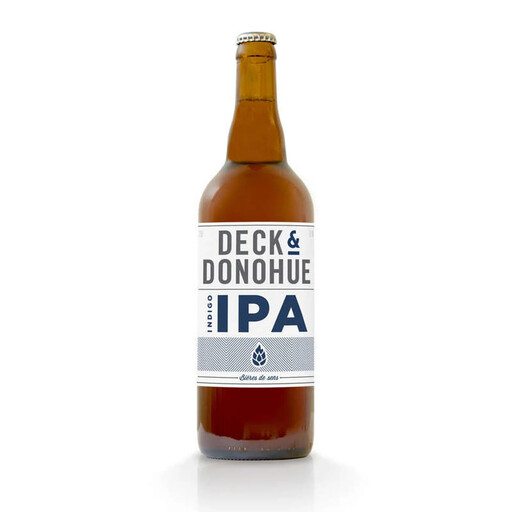
Why this choice suits this profile: This organic French beer, available in a 75 cl bottle, is aimed at enthusiasts looking for a structured IPA to serve with a meal or at a tasting with friends.
The alcohol content, volume and organic certification are listed separately. This makes it easier to distinguish verifiable characteristics from promotional language.
6.5% ABV, 75 cl, ingredients stated to be from organic farming and tropical fruit aromas.
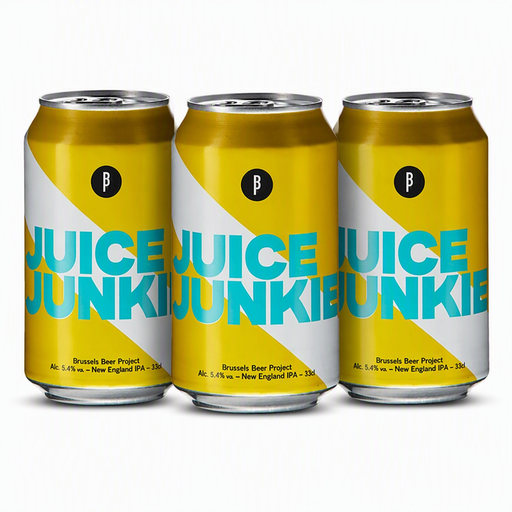
Why this choice suits this profile: The pack of three 33 cl cans is ideal for tasting over several occasions, for an aperitif or as part of a selection of hoppy beers.
The pack specifies the number of cans, the total volume and the storage conditions. This stops you mistaking a single 33 cl can for a multipack.
Three 33 cl cans, 5.4% ABV, Citra, Simcoe, Mosaic, Sauvin and Nelson hops, with stated notes of mango and pineapple.
We have put together a comprehensive, real-time updated selection of products that meet these exacting criteria and European safety regulations.
Store bottles and cans in a cool, dry place away from direct light. An IPA or NEIPA is generally best served chilled, but a temperature that is too low can mute its aromas. Follow the recommendations on the product listing and pour the beer slowly into a suitable glass.
When it comes to food pairing, a bitter IPA goes well with spicy dishes, grilled meats and strong cheeses. A pale ale works nicely as an aperitif, with a salad or grilled fish. A maltier blonde ale pairs better with regional specialities and mild cheeses.
A pale ale or a blonde ale with an ABV between 4 and 5.5% is often a good starting point. If you enjoy fruity aromas, you can then move on to an IPA or a NEIPA, after checking the stated bitterness level.
It depends on the format and the use. Cans are easy to store and well suited to individual servings. A 75 cl bottle is better for sharing or with a meal. In both cases, the beer should be kept away from heat and light.
The price depends on the number of items ordered, the weight of the parcel, the seller and the delivery address in France. Before confirming your basket, check the shipping costs, any free delivery thresholds, the stated delivery time and the condition in which the parcel is expected to arrive.