
Livraison le jour même ou le lendemain

Qualité garantie

Débloquez vos offres de bienvenue: Livraison GRATUITE | Jusqu'à -80 % | 30 jours d'essai gratuits à JoyPlus
Téléchargez l'application
Buying beer online lets you quickly compare French, craft and international beers. But an appealing product page isn’t always enough to make the right choice. Between sometimes vague descriptions, formats that are hard to gauge and widely varying alcohol levels, some purchases can lead to disappointment or simply not suit the occasion you have in mind.
Before you fill your basket, take a moment to check three often-overlooked points:
Colour gives you a first clue, but it doesn’t tell the whole story of what you’ll taste.
The strength shown as % ABV indicates the proportion of alcohol in the drink. To compare two products, consider both the percentage and the volume.
In practical terms, a 33 cl bottle at 5% ABV contains around 16.5 ml of pure alcohol, compared with about 24.75 ml for a same-sized bottle at 7.5% ABV. A strong beer should therefore be sipped more slowly. Conversely, a light beer at 2.8% ABV can suit those looking for a lower-alcohol drink, without being alcohol-free.
The sale of alcohol is restricted to persons aged 18 and over. Alcohol should be consumed in moderation, and alcoholic drinks are not recommended during pregnancy.
A 33 cl beer bottle is ideal for individual consumption and makes it easy to put together a mixed selection. Multipacks of 6, 12 or 24 bottles are better suited to aperitifs, meals and parties.
Before placing your order, also check:
For tasting, serve each beer at the temperature recommended by the brewer. A flavoured beer can be more expressive when well chilled, while an amber or strong beer will reveal more of its malty notes if not served ice-cold.
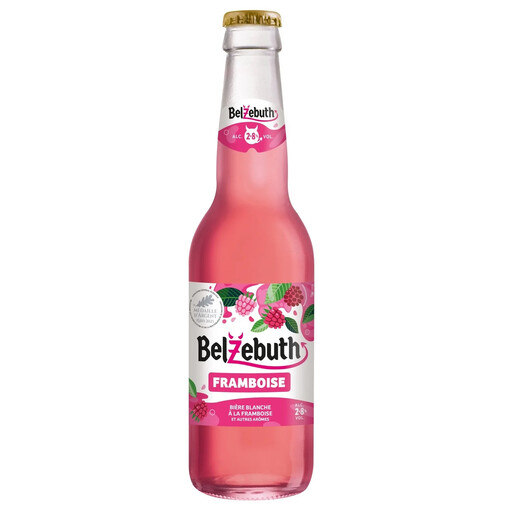
Why this choice suits this profile: Its 33 cl format and fruity raspberry flavour let you discover a wheat beer with a low alcohol content, without starting with a stronger option.
The alcohol content is clearly stated, and the description specifies the presence of barley malt, wheat and raspberry. You can therefore compare the product on concrete criteria rather than a simple promise of refreshment.
Raspberry-flavoured wheat beer, 2.8% ABV, 33 cl bottle: a fruity, light option for discovering this style.
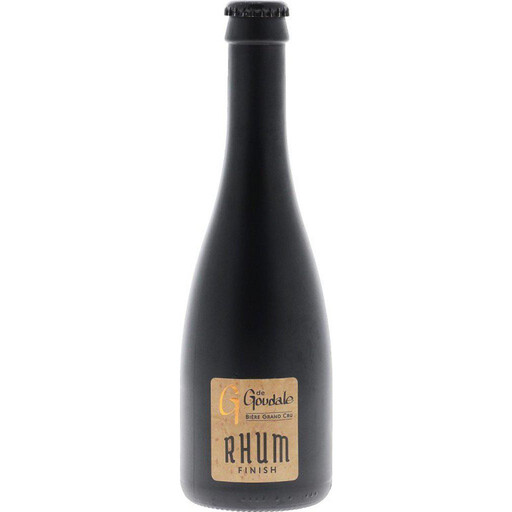
Why this choice suits this profile: This 33 cl French beer features a finish on rum-infused oak chips, with notes of caramel, vanilla and wood as described.
The 7.9% ABV is clearly displayed before purchase. So there’s no risk of mistaking this sipping beer for a light blonde to be drunk in quantity.
7.9% ABV, barley malt and wheat, from Saint-Omer in Hauts-de-France, with woody, vanilla and caramel notes as stated by the brewer.
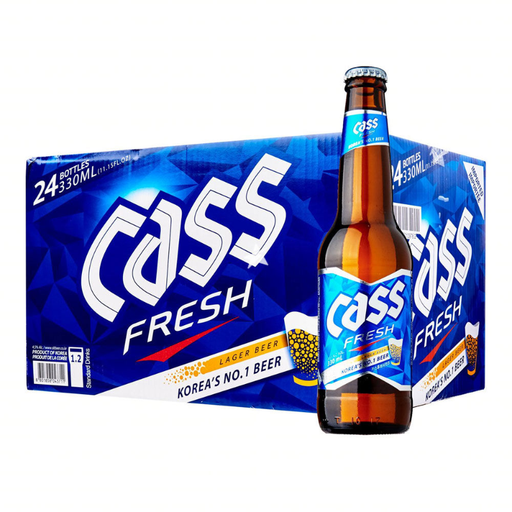
Why this choice suits this profile: The 24-can pack of 33 cl each is ideal for large gatherings, pairing with Asian cuisine or a party planned well in advance.
The number of units and total volume of 7.92 l are specified. This lets you assess the quantity you actually need and avoid choosing a small pack for a big event.
Korean beer at 4.5% ABV, 24 cans of 330 ml, store away from light, with a fresh, lightly hopped profile according to the description.
We’ve put together a comprehensive, real-time updated selection of products that meet these exacting criteria and European safety regulations.
For a varied tasting, it’s better to mix different profiles than to stock up on very similar products. A French blonde beer like 1664, or a top-fermented beer, can serve as a benchmark. A Ninkasi wheat beer, meanwhile, will bring notes of wheat and white fruit. On the international side, a Japanese beer like Asahi Super Dry stands out for its crisp finish, while a Mexican Corona or a Vietnamese Saigon will pair nicely with spicy dishes and summer meals.
Flavoured beers with peach, raspberry, ginger or lime will appeal to fans of fruity tastes. For a richer meal, an amber or a triple at 7% ABV or more will offer a maltier profile – to be enjoyed in moderation.
Begin with 33 cl bottles in clearly distinct styles: a blonde, a wheat beer and an amber. Check the alcohol content, ingredients and allergens. A low-alcohol flavoured beer can also help you gradually discover different flavours.
A multipack can lower the price per bottle, but it depends on the listed price, delivery costs and total volume. Always compare the unit price and choose a quantity that suits your consumption or the planned event.
Keep them in a cool, dry place away from direct light. Check the label for the best-before date and any product-specific instructions. Once opened, a bottle or can should be consumed quickly to preserve its flavour.