
Livraison le jour même ou le lendemain

Qualité garantie

Débloquez vos offres de bienvenue: Livraison GRATUITE | Jusqu'à -80 % | 30 jours d'essai gratuits à JoyPlus
Téléchargez l'application
Buying beer online lets you compare pale ales, wheat beers, fruit beers, abbey beers and imported brews in just a few clicks. But a well-presented product page isn’t enough to make the right choice. The alcohol content, the actual volume you receive, storage conditions and how you serve it can all make a noticeable difference to the experience… and to your bill.
Before you fill your basket, take a moment to spot the most common pitfalls.
Pregnant women or those who may be pregnant should avoid all alcoholic drinks. The sale and consumption of alcohol is restricted to people aged 18 and over. Please drink responsibly: never drink and drive.
A pale lager or pilsner typically offers a light, refreshing profile that’s easy to serve with aperitifs or pizza. Heineken Blonde at 5% and Kronenbourg 1664 Blonde at 5.5% are good examples, available in 6 × 33 cl and 18 × 25 cl packs respectively.
A wheat beer often has a softer texture with fruity or spicy notes. Grimbergen Abbey White has an ABV of 6% and comes in a 6 × 25 cl pack. Brewed in France with wheat malt, raw wheat and coriander, Ninkasi White has an ABV of 4.8%.
For a more intense tasting experience, an amber or quadruple abbey beer can have a significantly higher alcohol content. Grimbergen Réserve Cuvée Quadruple reaches 9% and is sold in a 75 cl bottle. This format is better suited to a relaxed, shared tasting than to drinking in quantity.
If you prefer milder flavours, a fruit beer might be for you. Goudale Rubis, at 5%, blends beer with red fruits and hibiscus. Grimbergen Kriek at 6% and Cuvée Réserve Framboise at 7.5% also focus on cherry or raspberry notes.
For a meal with several people or an event, a pack of 12, 18 or 24 units saves you from placing multiple orders. Cass Fresh Beer, for example, comes in a pack of 24 cans of 33 cl, giving you 7.92 l in total, with an ABV of 4.5%. Leffe Blonde is available in a 20 × 25 cl pack.
For a tasting for two or to pair with a dessert, a 75 cl bottle can be more suitable. On the other hand, 25 cl formats let you try several styles without opening a large bottle.
If you’re looking for a non-alcoholic beer, look for the “0%” label rather than relying on terms like “light” or “refreshing”. Tourtel Twist Framboise 0% is a non-alcoholic beer-based drink, available in 6 × 27.5 cl, with raspberry and blackcurrant juices.
Check the best-before date on the packaging. Most beers should be stored away from sunlight, in a cool, dry place. Also follow the serving temperature given on the product page: light lagers are often best served well chilled, while some richer abbey beers express their aromas better when served slightly less cold.
For a 5-litre beer keg, check it’s compatible with your appliance and make sure you have a well-ventilated spot for it. A beer dispenser also needs regular cleaning, especially the tap and drip tray.
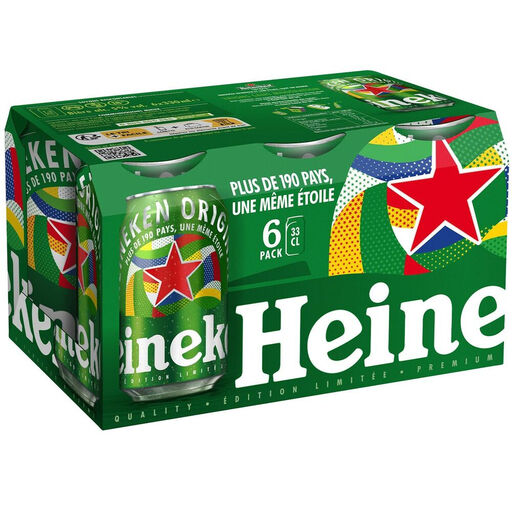
Why this suits this profile: With its 6 bottles of 33 cl, this pack gives you a reasonable quantity to try a pale lager without building up a stock.
The volume of each bottle and the ABV are clearly stated, making it easy to compare with Corona or Kronenbourg 1664.
Lager at 5%, 6 × 33 cl, barley malt and hop extract according to the product page.
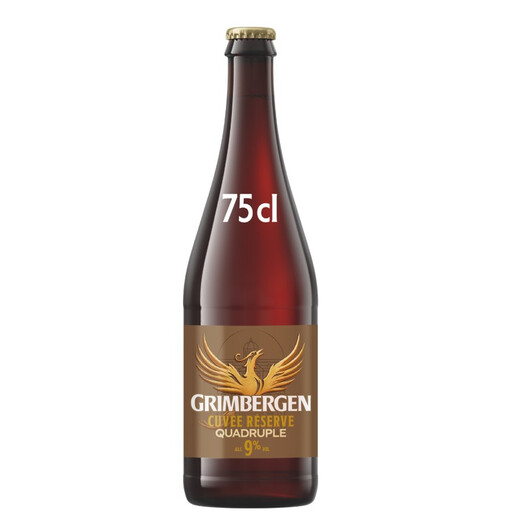
Why this suits this profile: Its 75 cl format and rich aromatic profile make it ideal for sharing with aged cheeses, a chocolate dessert or a saucy main course.
Its 9% ABV is clearly shown on the product page – there’s no mistaking it for an everyday pale beer.
Notes of ripe fruit and spices as described, 75 cl bottle, recommended serving temperature between 6 and 8 °C.
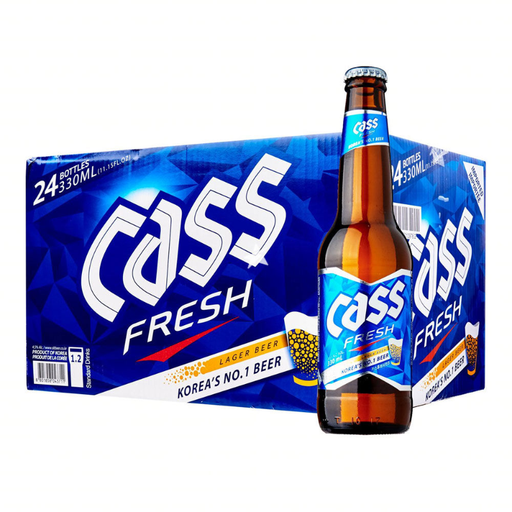
Why this suits this profile: With its 24 cans of 33 cl, this pack is designed for gatherings, private events or households that regularly drink this format.
The total volume of 7.92 l is clearly stated – you can work out the storage space needed and the price per litre.
Korean beer at 4.5%, ready-to-serve can, recommended storage in a cool place away from light.
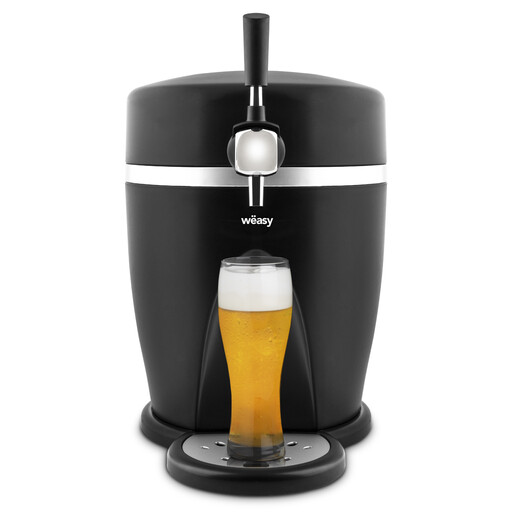
Why this suits this profile: This home dispenser is aimed at households that want to regularly serve pressurised 5 l kegs at home.
Compatibility with pressurised 5 l kegs is stated, along with the cooling range of 3 to 6 °C.
60 W power, removable drip tray and interior space that can also chill other drinks.
We’ve put together a full selection, updated in real time, of products that meet these exacting criteria and European safety standards.
Start by estimating the number of guests, then compare the total volume rather than just the number of bottles. A pack of 18 × 25 cl gives you 4.5 l, compared with 7.92 l for 24 × 33 cl. Also plan for non-alcoholic drinks, such as a 0% beer or another alternative.
Keep bottles and cans in a dry, cool place away from light. Only put the amount you need in the fridge before serving, and avoid exposing the packaging to long temperature changes. Once opened, beer should be drunk quickly to keep its fizz.
It depends on the price of the keg, how often you use it and the electricity consumption. A dispenser also needs regular cleaning and a dedicated space. For occasional use, a pack is usually simpler. For regular get-togethers, draught beer offers a different experience – as long as you choose compatible kegs.