
Livraison le jour même ou le lendemain

Qualité garantie

Débloquez vos offres de bienvenue: Livraison GRATUITE | Jusqu'à -80 % | 30 jours d'essai gratuits à JoyPlus
Téléchargez l'application
Buying alcoholic drinks online makes it easy to compare origins, formats and styles. But a well-presented product page isn’t always enough to help you pick the right bottle for a meal, a cocktail or a gift. To avoid any unpleasant surprises, it’s worth checking a few key details before you place your order.
This selection is intended exclusively for adults aged 18 and over. Alcohol should be consumed in moderation. In France, the sale and consumption of alcohol to minors is prohibited.
A wine described as elegant, fruity or refined is based on a sensory description – that doesn’t guarantee you’ll enjoy it. For a red wine, a rosé wine or a white wine, it’s better to check the appellation, the vintage (if stated), the grape variety, the alcohol content and the serving recommendations.
For sparkling wines, the term champagne refers to a specific appellation. A crémant, a sparkling wine or an Asti DOCG can be perfectly suitable for other occasions, but they shouldn’t be presented as champagne.
A 70 or 75 cl bottle isn’t intended for the same use as a 35 cl can. The alcohol content can also vary considerably from a wine to a fruit liqueur, an Italian aperitif or a spirit. For example, a pastis can reach 45% ABV, while an aperitif designed for making a Spritz is around 12.5% ABV.
Before confirming an online alcohol purchase, always check:
A tawny port, a mint digestif, a cream whisky or an amaretto don’t serve the same purpose as a wine to accompany a meal. Similarly, a creamy punch won’t necessarily suit people with a dairy allergy.
The right choice therefore depends on the occasion: aperitif, meal, dessert, cocktail, sipping over ice or as a gift.
The alcohol content gives you a first indication of how to serve it and how much to allow. A Japanese umeshu liqueur at 19.7% ABV, like Hakutsuru, is typically enjoyed chilled, over ice or in a cocktail. In contrast, a Bordeaux red wine at around 13 to 14% ABV will sit more naturally at the dinner table.
The ingredients list is also worth a look. Wines and sparkling wines may contain sulphites. Creamy drinks, such as Baileys or certain punches, contain milk. If you have an allergy or intolerance, read the label and product page carefully.
The origin helps you place the drink: Bordeaux, Alsace, Burgundy, Piedmont, Portugal or Japan. An appellation like AOP Margaux, AOP Saint-Émilion or Asti DOCG provides a regulated benchmark. Notes of red fruits, citrus, spices or dried fruit describe the intended flavour profile.
For food pairings, here are a few easy combinations to remember:
Heat, humidity and light can spoil a bottle’s flavour. Store it in a cool, dry place away from light. For a tawny port, the Sandeman label recommends storing upright at a constant temperature and serving between 12 and 16 °C.
The ideal temperature varies by product: aim for around 14 to 18 °C for some red wines, serve rosés and sparkling wines chilled, and keep a ready-to-drink Japanese beverage well chilled. After opening, follow the label’s instructions and reseal the bottle carefully.
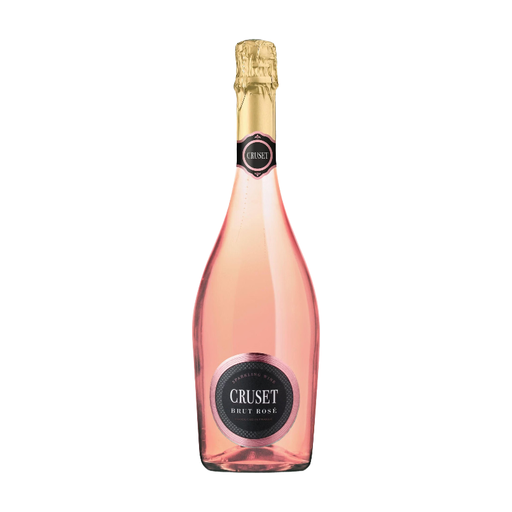
Why this suits this profile: With its 75 cl format and rosé profile with red fruit notes, this sparkling wine is a versatile entry point, perfect for serving as an aperitif or with a fruity dessert.
The product page specifies the volume, presence of sulphites, energy value and storage conditions, rather than just relying on a simple flavour promise.
The page states 71 kcal per 100 ml, a salmon-pink colour and notes of cherry and strawberry.
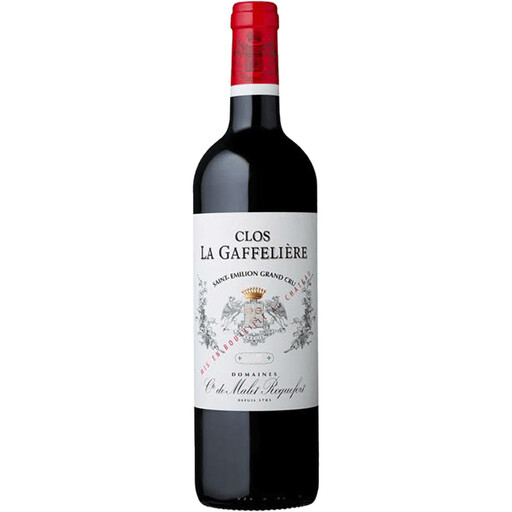
Why this suits this profile: Its Saint-Émilion Grand Cru appellation and blend of merlot and cabernet franc make it a great choice for a special meal or as a gift for a Bordeaux lover.
The appellation, country, region, 14% ABV and serving temperature are all clearly stated and verifiable.
The page describes a structured profile with dark fruit and elegant tannins, with a recommended serving temperature of 16 to 18 °C.
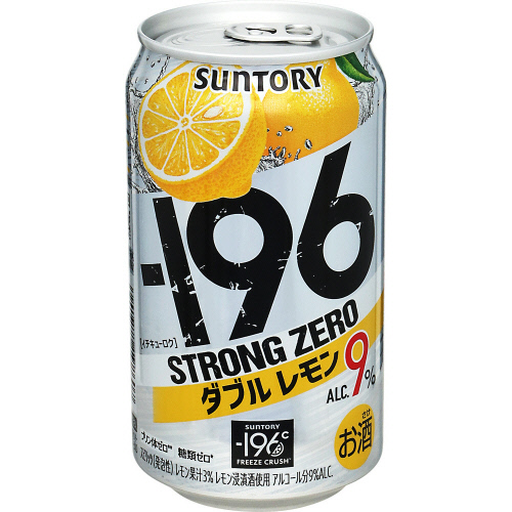
Why this suits this profile: This ready-to-drink Japanese beverage, in a 35 cl can, is ideal for anyone wanting something chilled and quick to serve without any cocktail preparation.
The individual format and 9% ABV are clearly stated. However, it’s still essential to check the allergen information on the packaging.
The lemon flavour is highlighted. The drink is best served well chilled, straight from the can.
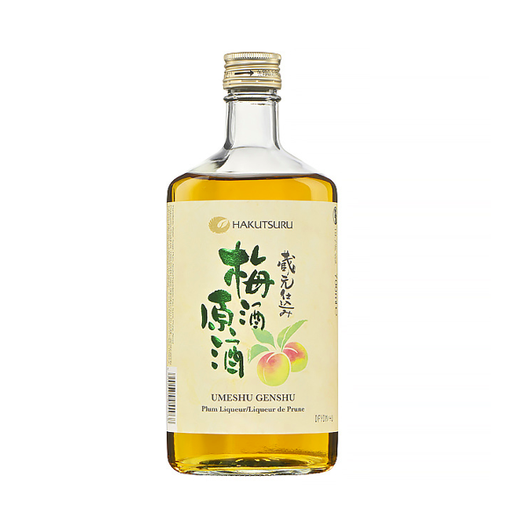
Why this suits this profile: This Japanese umeshu at 19.7% ABV offers several options: enjoyed neat, over ice or in a cocktail.
The product page clearly distinguishes the drink type, its origin, alcohol content and different uses, without confusing it with a fruit wine.
Notes of plum and apricot are described. Its 70 cl format works well for serving at home or for making cocktails.
We’ve put together a comprehensive, real-time selection of products that meet these exacting standards and comply with European safety regulations.
Yes, provided you follow the applicable sales rules. The buyer must be an adult and may be asked to show proof of age upon delivery. Also remember to check the delivery terms, any associated costs and any geographical restrictions.
Start by looking at the appellation and your budget. Champagne is a specific appellation, while crémant is produced in other French regions according to strict specifications. An Asti DOCG, like Signore Giuseppe, is made in Piedmont from muscat grapes and is around 7.5% ABV. These drinks can accompany an aperitif or dessert, but their flavour profiles are different.
It depends on the type of drink. A red or white wine will generally keep for a few days if well resealed and stored in a cool place. A tawny port can last longer: the Sandeman label recommends consuming it within eight weeks of opening. For liqueurs and spirits, follow the manufacturer’s recommendations and keep the bottle upright, away from heat and light.