
Livraison le jour même ou le lendemain

Qualité garantie

Débloquez vos offres de bienvenue: Livraison GRATUITE | Jusqu'à -80 % | 30 jours d'essai gratuits à JoyPlus
Téléchargez l'application
The world of spirits is an invitation to travel, an exploration of the flavours and traditions that shape each continent. But when you're looking to buy spirits online, it's easy to get lost in an overwhelming selection and sometimes vague descriptions. How can you tell a true gem from a product that's just riding a marketing wave?
Our mission: to help you see things more clearly. Let's forget the advertising jargon and focus on what's essential. Here are the most common pitfalls and the key criteria for making the right choice, with full confidence.
Before you click "Buy," keep these common mistakes in mind, which too often turn an anticipated tasting into a disappointment.
To make an informed purchase, focus on these three objective points above all else.
Provenance is the primary marker of authenticity. For highly regulated products like Scotch whisky or brut champagne, the protected designation of origin (PDO/PGI) is a genuine guarantee. For other world spirits, it's crucial to check:
Don't just stop at the name on the label. Understanding the spirit's category is the key to anticipating its taste profile.
The Alcohol by Volume (ABV) is a direct indicator of a spirit's strength. Be aware that a high ABV is not a guarantee of quality, but it does shape the tasting experience. A 53% ABV spirit like some baijius is meant to be savoured in very small quantities, while a 10% plum wine is better suited for an aperitif.
To move from theory to practice, here are a few gems that meet our objective selection criteria, suitable for every profile.
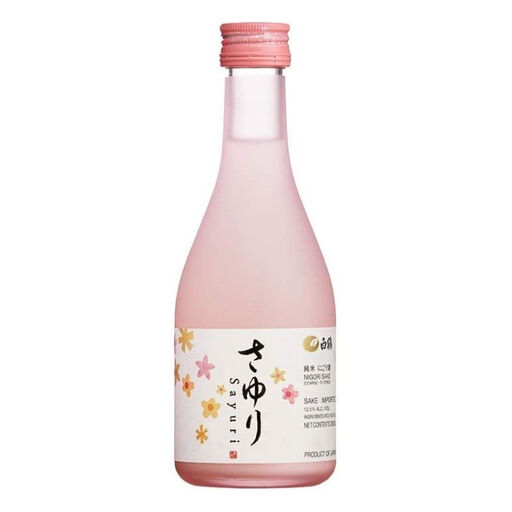
Why we recommend it: This is the ideal bottle to begin your journey into the world of Japanese saké. Its "Nigori" (unfiltered) style gives it a creamy texture and a subtle sweetness that make it very approachable, a far cry from potent spirits. A perfect gateway into the universe of Asian spirits.
This is a Junmai grade saké, a guarantee that no distilled alcohol has been added. Its "Nigori" designation refers to a real and specific category, which prevents any confusion.
Its unique texture and delicately sweet flavour. Best enjoyed chilled, either on its own or paired with lightly spiced dishes.

Why we recommend it: For anyone wishing to discover an authentic Chinese baijiu with character. Luzhou Laojiao is one of China's most renowned distilleries. This spirit is a classic example of the "strong aroma" style, typical of the Sichuan province.
This baijiu comes from a historic distillery and a recognized production region. Its aging in purple clay jars is a traditional technique that justifies its status, far from the trap of marketing-driven packaging.
A complex aromatic profile, with elegant notes of damp earth and a lingering finish. A true tasting experience for discerning palates.
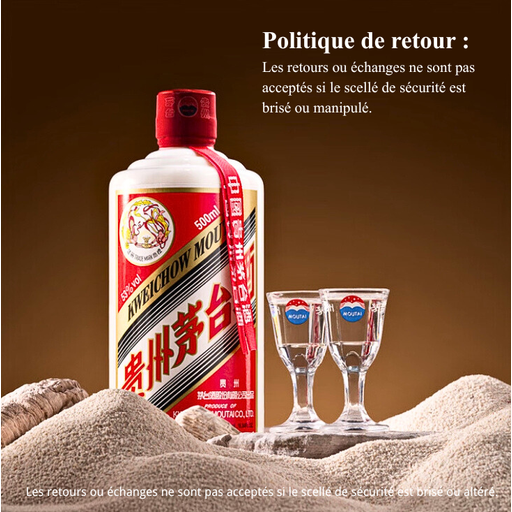
Why we recommend it: This is the ultimate spirit gift idea. Kweichow Moutai is quite simply China's national spirit, one of the most prestigious in the world. Gifting a bottle of Moutai is a powerful statement, reserved for major occasions or top-tier corporate gifts.
This product is the antithesis of a marketing trap. Its value and reputation are global, built on unique craftsmanship and a centuries-old history. It's an investment in a true cultural icon.
Its iconic status and its uncommonly complex "sauce" aroma profile. The gift box, which includes two tasting glasses, makes it a complete, ready-to-gift package.
Discover our complete selection of products that meet our selection criteria and current regulations.
For distilled spirits (whisky, gin, baijiu, soju) at 40% ABV or higher, simply reseal the bottle tightly and store it upright, away from light and sudden temperature changes. For fermented beverages like saké or low-ABV liqueurs, keep them in the refrigerator and consume them within a few weeks of opening to preserve their freshness.
Although they are often grouped under the catch-all label of "Asian spirits," these three beverages are radically different.
Absolutely. In many Asian cultures, gifting a prestigious spirit is a sign of respect and high regard. A bottle of high-end baijiu like a Moutai or Wuliangye, or a renowned Japanese whisky, is a particularly relevant spirit gift idea in a professional context. Just be sure to learn about the local customs and the preferences of the recipient.