
Livraison le jour même ou le lendemain

Qualité garantie

Débloquez vos offres de bienvenue: Livraison GRATUITE | Jusqu'à -80 % | 30 jours d'essai gratuits à JoyPlus
Téléchargez l'application
Shopping for spices online opens up a world of flavour, but watch out for unpleasant surprises. Between marketing promises and product reality, it's easy to end up with a cupboard full of soulless powders, incapable of recreating the magic of an authentic dish. This guide is here to help you navigate the universe of world spices and make the right choices, whether you're dreaming of a fragrant Indian curry, a dish slow-cooked with ras el hanout, or a recipe spiced up with Sichuan pepper.
Before you fill your basket, let's review two common pitfalls that can ruin your culinary creations?:
A few simple habits are all it takes to avoid these disappointments. These key points will help you assess the quality of a spice before you even taste it.
Freshness is the non-negotiable criterion. To evaluate it online, there are two indicators to watch for?:
A careful reading of the ingredient list is crucial, especially when you want to buy spices online.
For certain dishes, the origin of the spice can make all the difference. This is a crucial detail for fans of Asian spices or Indian spices. For example, Sichuan pepper must come from that region of China to deliver its signature sensation, which is both citrusy and slightly numbing (málà). Similarly, there are several varieties of cinnamon (Ceylon, which is sweeter and more floral, or Cassia, which is more robust and pungent), each suited to different uses.
To help you navigate your options, here are a few gems we've selected, chosen for their relevance and quality.
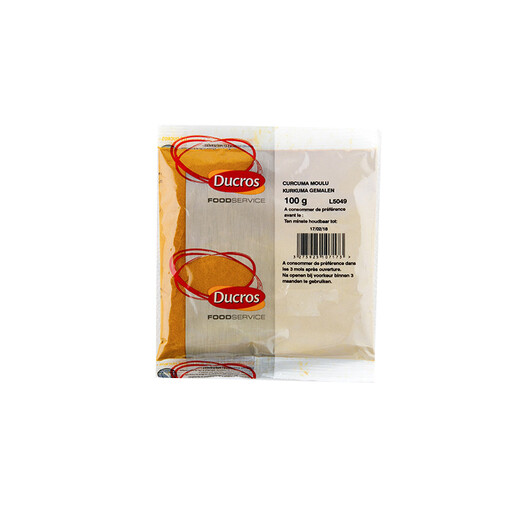
Why we chose it : Perfect for getting started with world cuisine or for anyone looking for a reliable choice. Turmeric is a cornerstone of curries, rice dishes, and marinades, and this version from Ducros offers consistent quality.
The product is packaged in France by a recognised brand, which guarantees quality control and controlled freshness, a far cry from "mystery" powders with no traceability.
A characteristic and reliable flavour and yellow-orange colour, perfect for colouring and flavouring a multitude of savoury dishes.
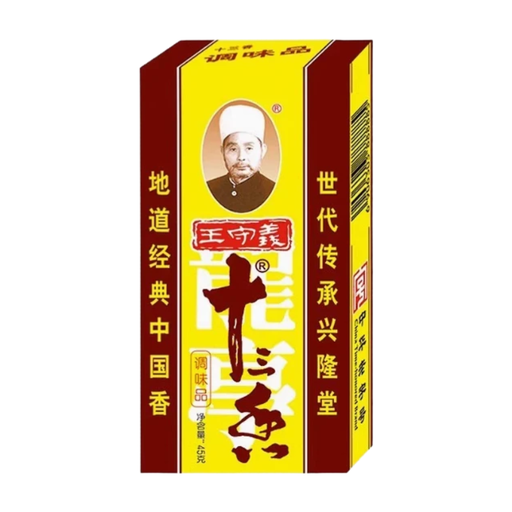
Why we chose it : For those who want to capture the authentic taste of Chinese cuisine. This classic blend is a must-have for braised dishes, stir-fries, soups, and even barbecue marinades.
This is a traditional recipe from a reputable Chinese brand, not a generic "Asian flavour" blend. The ingredient list is complex and authentic, without salt or sugar at the top.
A rich and deep aromatic profile with notes of star anise, Sichuan pepper, and cinnamon, which brings immediate complexity to dishes.
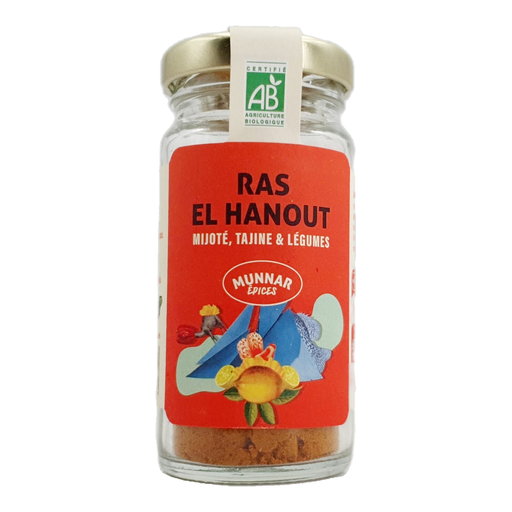
Why we chose it : The essential for successful tagines, couscous, and other slow-cooked dishes from the Maghreb. This blend is made with organically grown ingredients, a real bonus for quality-conscious consumers.
The ingredient list is transparent and contains only organic spices. This is a genuine ras el hanout, not a rough-and-ready approximation.
A balanced and fragrant blend (turmeric, caraway, coriander, cumin...) that provides the warmth and complexity typical of Maghrebi cuisine.
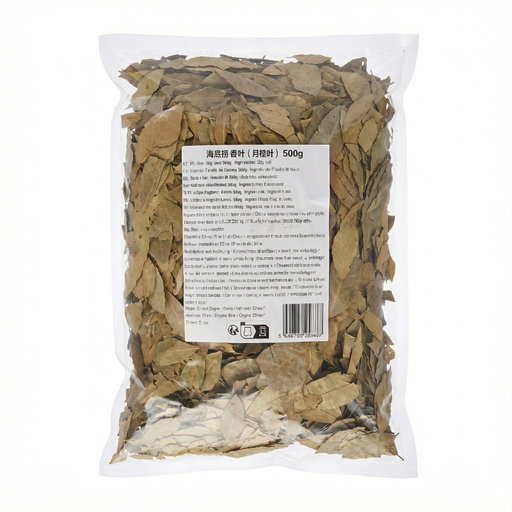
Why we chose it : An economical bulk size, ideal for restaurateurs or families who cook in large quantities. Bay leaf is an essential aromatic herb for broths, stews, and marinades.
Buying in bulk from a reputable brand like Haidilao ensures excellent value for money and consistent aroma, far from overpriced, low-quality small quantities.
A large 500g pack of 100% natural dried bay leaves, with no additives, for intensive use in professional or home kitchens.
We've curated a complete selection of products that meet our quality standards and all current regulations.
The golden rule?: protect them from their four enemies, which are air, heat, humidity, and light. Store them in airtight containers in a cool, dark cupboard, away from your stove or any heat source.
Whole spices (like cloves, cinnamon sticks, or coriander seeds) retain their aromas for much longer. Grinding them just before cooking releases an unparalleled aromatic power. While ground spices are more convenient, they lose their flavour more quickly. The best compromise?? Keep the spices you use often in powdered form, and save the whole versions for special occasions.
Although both are used for seasoning, their botanical origins are not the same. Spices generally come from the seeds, fruits, bark, or roots of a plant (pepper, cinnamon, ginger). Dried herbs, on the other hand, are the leaves of herbaceous plants (thyme, rosemary, oregano, bay leaf). Together, they are the heart of world cuisine seasoning.