
Livraison le jour même ou le lendemain

Qualité garantie

Débloquez vos offres de bienvenue: Livraison GRATUITE | Jusqu'à -80 % | 30 jours d'essai gratuits à JoyPlus
Téléchargez l'application
Stocking up on legumes online has become second nature for many of us. It's convenient, fast, and the selection is vast. However, this convenience can hide a few common pitfalls. Who hasn't been disappointed by a package of dried beans with more broken pieces than whole ones, or discovered suspicious additives in a product marketed as "?natural?"? Another frequent issue is confusing dry legumes, which require lengthy preparation, with their ready-to-eat counterparts—a mistake that can ruin a meal you intended to be quick. Beyond the waste of time and money, the very quality of your dishes suffers.
This guide is here to help you navigate the jungle of online legumes and make the right choices for your culinary needs and habits.
To avoid unpleasant surprises, there are a few things to check before you complete your purchase. These details are what separate a quality staple from a disappointment.
The best format depends on your recipes and how much time you have to cook.
A short ingredient list is almost always a sign of quality. For natural legumes, the list should be limited to the product itself, possibly with water and a touch of salt for canned versions. Be wary of added sugars, preservatives, or antioxidants like sodium metabisulphite.
For more specialised Asian cooking ingredients, like fermented black beans or soy-based products, the origin and production method are valuable indicators of authenticity. A product made using traditional methods guarantees more complex and authentic flavours.
It's well known that legumes are a goldmine of plant-based protein and fibre. When making your choice, take a look at the nutrition facts panel. Compare the protein content per 100?g—an essential step if you follow a vegetarian or vegan diet. Also, check the salt content, which is often high in canned goods. A good product combines high protein with low sodium.
Here are a few options that cater to different needs, whether you're a busy cook, a culinary explorer, or a fan of healthy snacks.
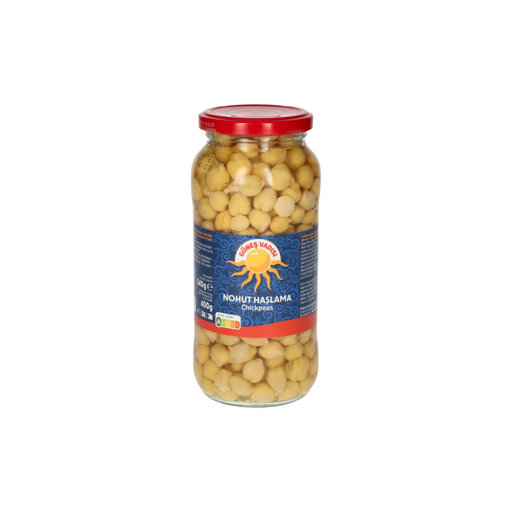
Why it's a great choice: For those who are short on time, these jarred chickpeas are the perfect solution. They allow you to whip up a healthy, protein-packed meal in minutes, skipping the soaking and cooking steps.
No more confusion between dry and ready-to-eat legumes. The label is clear: these are pre-hydrated chickpeas, ready to enjoy after a simple rinse.
Ready to use for immediate addition to your salads, curries, or for a quick homemade hummus.
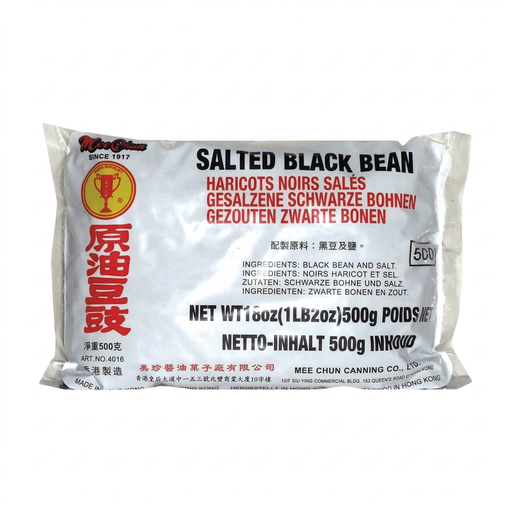
Why it's a great choice: Perfect for enthusiasts of authentic Asian cuisine. These fermented black soybeans are a key ingredient for dishes like twice-cooked pork or steamed fish, adding a deep, complex umami flavour.
This isn't your average product. Its description highlights natural fermentation using traditional methods, guaranteeing an authentic flavour you won't find elsewhere.
A rich, salty aroma that is essential for recreating the authentic taste of many classic Chinese dishes.
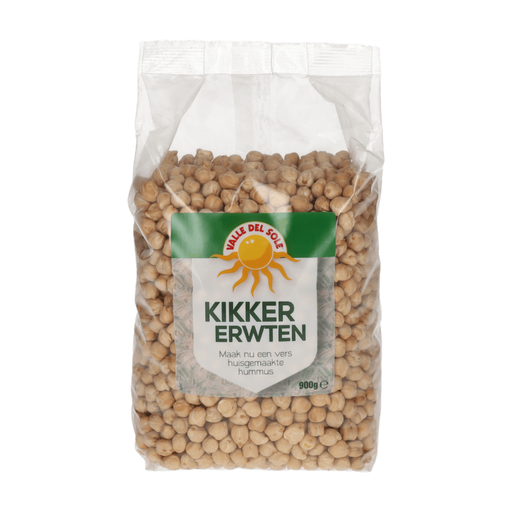
Why it's a great choice: This large 900 g pack of dried chickpeas is perfect for families or fans of *batch cooking*. It's an affordable and ultra-versatile staple for a myriad of dishes: curries, salads, soups, and more.
The mention of being "mechanically and optically sorted" is a guarantee of consistent quality. No more broken beans and impurities, one of the recurring problems with low-end dry legumes.
Excellent value for money and unbeatable versatility for a well-stocked pantry.
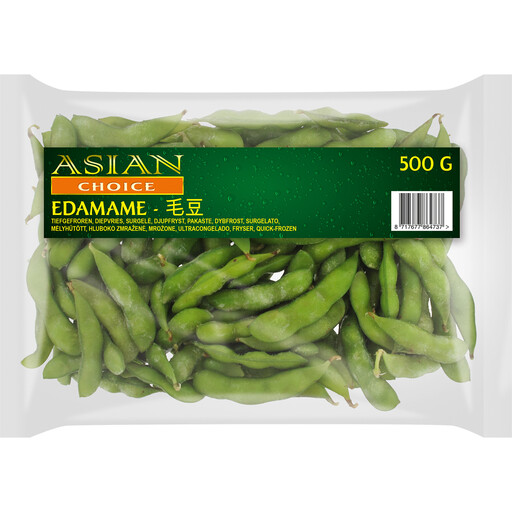
Why it's a great choice: These frozen edamame beans are perfect for a nutritious snack or a quick side dish. Rich in protein and naturally salt-free, they are ideal for a healthy appetiser or to boost your salads and stir-fries.
The ingredient list is beautifully simple: " 100% Soybeans ". Zero hidden additives, salt, or preservatives. The frozen format ensures optimal freshness and nutrient retention.
High in protein (13 g per 100 g) and ready in minutes by boiling or steaming.
We have curated a complete selection of products that meet our strict quality standards, with a wide range of frozen legumes.
For most dry legumes (red, black, and white beans, chickpeas, etc.), soaking is highly recommended, ideally overnight. It reduces cooking time, ensures an even texture, and aids digestion. Only lentils (green, red, etc.) and split peas can be cooked without pre-soaking.
The secret is to store them away from air, moisture, and light. The best way is to transfer them to a glass jar or an airtight container and keep them in a cupboard. When stored properly, they can last for over a year without any issues.
Not necessarily. The canning process preserves most nutrients, including protein and fibre. The main difference is the salt content, which is added for preservation. The good news is that a thorough rinse under cold water can remove up to 40% of this salt. Remember to read the labels to choose reduced-sodium versions.