
Livraison le jour même ou le lendemain

Qualité garantie

Débloquez vos offres de bienvenue: Livraison GRATUITE | Jusqu'à -80 % | 30 jours d'essai gratuits à JoyPlus
Téléchargez l'application
Kimchi is no longer just for insiders; it has become a staple for lovers of Korean flavours and fermented foods. But with an exploding online market, navigating the options can be overwhelming: traditional, roasted, vegan, in a jar or a pouch... How do you choose THE kimchi that will elevate your dishes and delight your taste buds?
Our mission at Joybuy?? To bring you some clarity. This guide is designed to get straight to the point with clear, practical options, so you can buy the kimchi online that's truly right for you, free from marketing jargon.
Before diving into our selection, here are a few essential criteria to help you make the right choice.
The taste of kimchi varies dramatically depending on its recipe.
The format and cut of the kimchi are not just minor details—they make all the difference!
While there's no single "best kimchi" out there, certain brands are pillars of the Korean grocery scene, renowned for their consistent quality. Names like Jongga and Bibigo are go-to references in South Korea. Their recipes respect tradition while adhering to modern production standards.
Here are three kimchis that stand out for their unique profiles and uses, perfect for helping you find the one that will earn a spot in your kitchen.
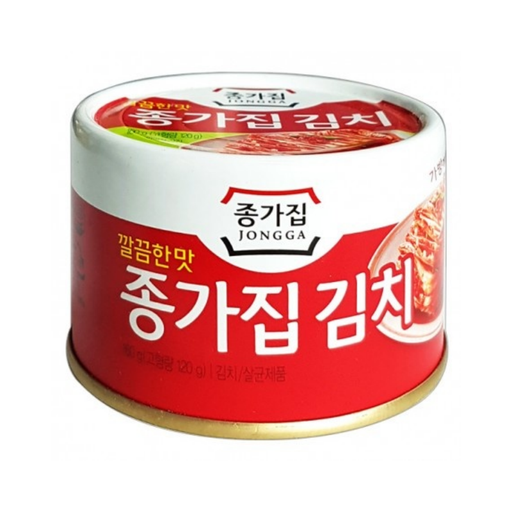
Why we chose it: This product is the epitome of classic, convenient Korean kimchi. Offered by Jongga, a leading brand since 1987, this kimchi is already cut and ready to use. Its authentic recipe, with its anchovy and shrimp sauce, gives it that characteristically rich and deep umami flavour.
Benefits:
Who is it for?: This is the ideal choice for those new to kimchi or anyone looking for an authentic and ultra-fast side dish for their everyday meals.
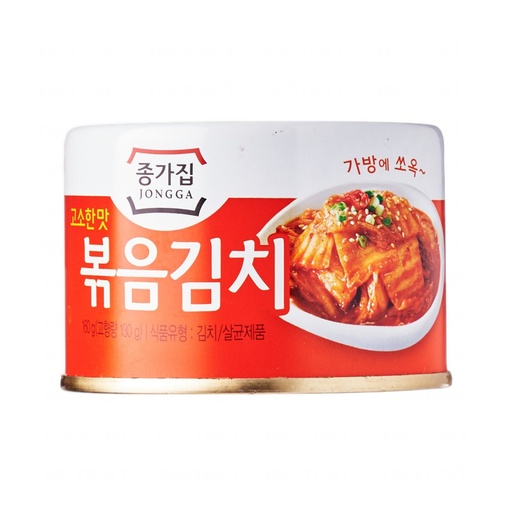
Why we chose it: This version from Jongga is kimchi that has been pan-fried with garlic and spring onions. The cooking process transforms the kimchi: its spice and acidity mellow, giving way to a rounder, almost smoky, and incredibly rich flavour.
Benefits:
Who is it for?: Cooks who love using kimchi as a core ingredient in their recipes will adore its concentrated flavour. It's perfect for making kimchi fried rice (kimchi-bokkeumbap) in a flash.
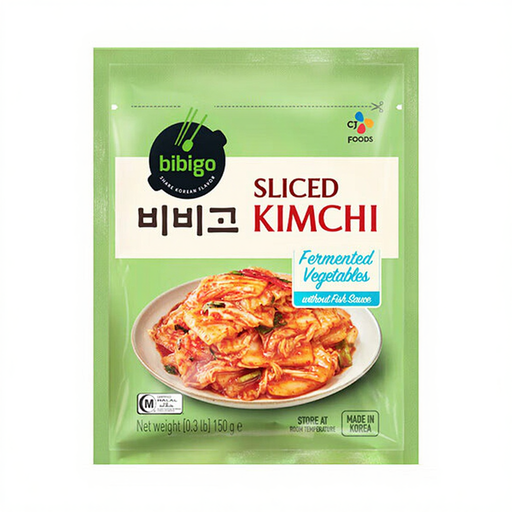
Why we chose it: The kimchi from Bibigo is the go-to option for those on a vegan or vegetarian diet. Formulated without any animal products, it successfully retains the spicy, tangy, and umami profile of traditional kimchi.
Benefits:
Who is it for?: For vegans, vegetarians, and anyone who wants to avoid seafood products without sacrificing the unique flavours of kimchi.
Our selection highlights three distinct kimchi profiles, but the world of kimchi is much vaster. If you want to explore other formats, spice levels, or brands, feel free to browse our complete section.
Explore Our Entire Kimchi Selection
Kimchi is a living product: its fermentation continues even after you buy it. Once opened, it must be kept in the refrigerator, preferably in an airtight container to control the (sometimes powerful!) odours. It is generally best consumed within a few weeks. Its taste will continue to evolve, becoming more sour over time, which then makes it perfect for cooking.
The spice level varies enormously between brands and recipes. Most kimchis sold in Western countries are moderately spicy to appeal to a wider audience. The heat comes from Korean chilli powder (gochugaru), which is known for adding more flavour and colour than raw heat. If you have a sensitive palate, roasted kimchi is often a great entry point, as it's perceived as milder.
Its versatility is one of its greatest strengths. Here are a few ideas: