
Livraison le jour même ou le lendemain

Qualité garantie

Débloquez vos offres de bienvenue: Livraison GRATUITE | Jusqu'à -80 % | 30 jours d'essai gratuits à JoyPlus
Téléchargez l'application
Kimchi has taken the culinary world by storm, becoming a must-have for fans of Korean flavours. Whether you're looking to spice up your meals, explore the benefits of fermented foods, or simply taste an authentic recipe, making the right choice can be overwhelming. With so many brands, recipes, and formats available, it's easy to feel lost.
This guide is designed to help you navigate the options. Our mission is to provide practical, objective advice so you can choose and buy the kimchi that perfectly suits your palate and your cooking style.
Before diving into our top picks, here are a few key criteria to help you narrow down your choice.
Traditional Korean kimchi is fermented cabbage, most often napa cabbage, seasoned with a blend of spices. Be aware, however, that authentic recipes very often include fish sauce (jeotgal) or shrimp paste to enhance the umami flavour.
If you follow a vegan or vegetarian diet, it's essential to check the ingredient list. Many brands now offer excellent quality vegan kimchi, which replaces seafood products with plant-based alternatives (like vegetable broth or soybean paste) without sacrificing flavour.
Kimchi comes in several different forms:
Packaging also matters:
While always tangy and complex, the spiciness of kimchi can vary dramatically. The amount of red chilli powder (gochugaru) is the main indicator. Some recipes add a touch of sugar or fruit purée (apple, pear) to mellow the heat and balance the flavours. If you have a sensitive palate, opt for versions described as "mild" or check where chilli appears on the ingredient list.
Here are our recommendations, selected for their quality and popularity among connoisseurs.
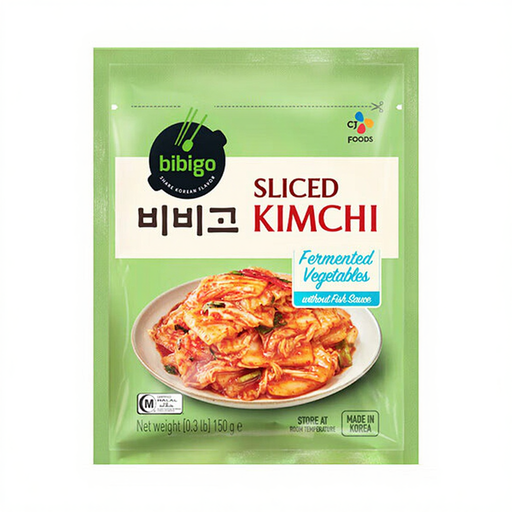
Why We Love It:bibigo kimchi is THE go-to choice for anyone seeking authentic Korean flavour in a 100% plant-based version. Approachable for everyone, it delivers the tangy, spicy, and umami-rich taste so characteristic of kimchi, without any animal-derived ingredients. Its pouch format is perfect for a first tasting or for livening up a dish.
Pros:
Who Is It For?: Ideal for vegans, vegetarians, and anyone looking to try kimchi for the first time with a reliable and consistently delicious option.
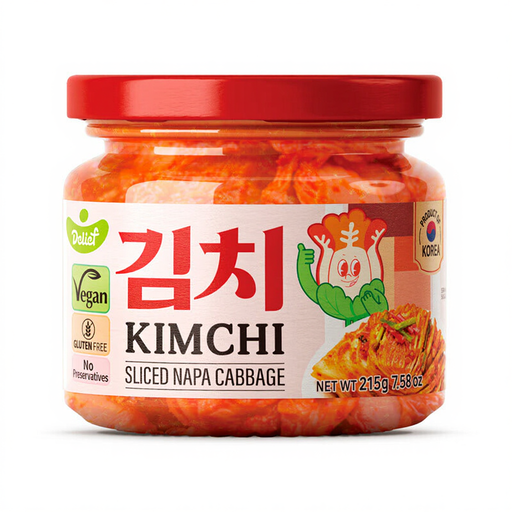
Why We Love It: This jarred kimchi stands out with its recipe based on a vegetable broth (kelp, green onion, shiitake mushroom). The addition of apple purée brings a subtle sweet note that balances the heat and acidity, creating a complex and very pleasant flavour profile.
Pros:
Who Is It For?: Perfect for regular kimchi consumers who appreciate a convenient format and a rich flavour with a hint of sweetness. It's also an excellent vegan option.
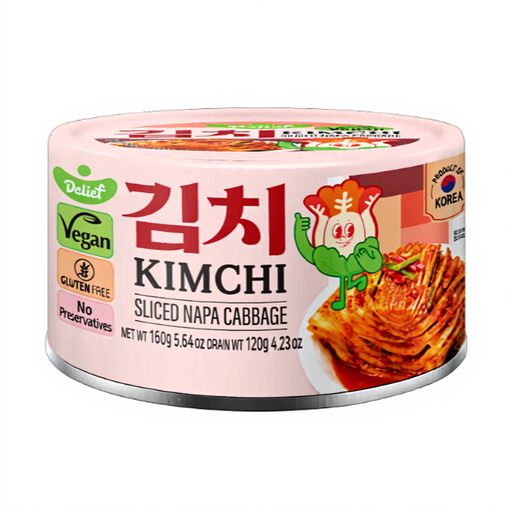
Why We Love It: This canned version is the go-to solution for always having a staple on hand. The metal can guarantees an extra-long shelf life at room temperature, making it a pantry essential. Its more classic recipe offers a distinctly spicy and tangy flavour.
Pros:
Who Is It For?: Recommended for those who want to stock their pantry or only use kimchi occasionally. Please note, this version contains fish derivatives and is therefore not suitable for vegan or vegetarian diets.
Kimchi is a fantastic condiment for livening up a dish, but it's not the only one! If you're looking to add some variety to your sandwiches, rice bowls, or appetiser platters, take a look at our selection.
? Discover our sliced sausage category
Once opened, kimchi must be stored in the refrigerator in its original, tightly sealed container or an airtight jar. It's a living product: its fermentation continues, and it will become more sour over time. To enjoy optimal flavour and texture, it's best to consume it within a few weeks of opening.
No, not necessarily! The spice level varies greatly from one brand to another. While most kimchi has a kick, some are intentionally milder. The addition of ingredients like pear or apple can also soften the taste. If you prefer less spicy flavours, look for "mild" on the packaging.
Absolutely! Kimchi isn't just a simple side dish (banchan); it's a versatile ingredient in its own right. It's delicious in fried rice (kimchi bokkeumbap), stews (kimchi jjigae), savoury pancakes (kimchijeon), or even used to level up instant noodles, tacos, and burgers. When cooked, its spiciness mellows, and its umami flavours intensify.