
Livraison le jour même ou le lendemain

Qualité garantie

Débloquez vos offres de bienvenue: Livraison GRATUITE | Jusqu'à -80 % | 30 jours d'essai gratuits à JoyPlus
Téléchargez l'application
With its unique kick and comforting warmth, ginger has taken our kitchens and bars by storm. It's found in everything from a refreshing ginger drink to the famous sushi condiment or as the secret spice in a slow-cooked dish. But with a plethora of options available, it's easy to make the wrong choice. Some products hide a lack of quality behind flashy labels, while others are simply not suited for your intended use.
This guide is here to help you navigate the choices. We'll break down the key points to check before you buy ginger online or in-store, ensuring you make an informed decision you won't regret.
Before we dive into quality criteria, let's review the common mistakes that lead straight to disappointment.
gari) in a cake or a spicy ginger sauce in a cocktail? These are rookie mistakes that can ruin a recipe. Each format is designed for a specific purpose; using them interchangeably is rarely a good idea.To avoid these disappointments, a few checkpoints are all you need to assess a product's quality and its suitability for your needs.
Ginger comes in multiple forms, each with its own strengths:
A close look at the label is non-negotiable. Ginger should appear at or near the top of the list, a sign that it's a primary ingredient. Steer clear of long ingredient lists full of additives, colourings, or flavour enhancers, which only serve to mask a mediocre raw material.
For a ginger drink, for example, terms like "ginger juice" or "ginger infusion" are infinitely more reassuring than the vague "natural ginger flavour".
To put these criteria into practice, here are a few products we recommend, each suited for a specific use.
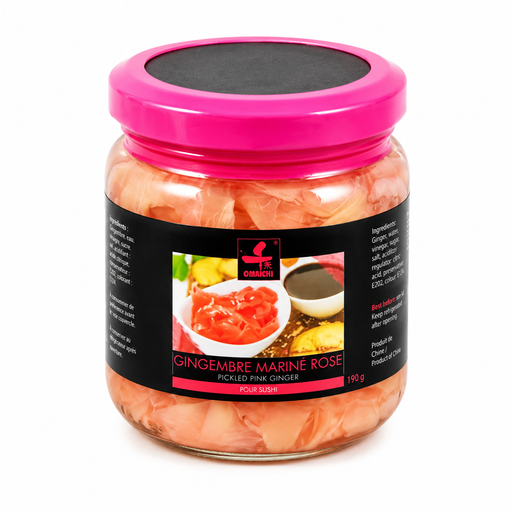
Why we recommend it: This product is gari in its purest form, the essential condiment for accompanying sushi and sashimi. It has that perfect sweet, sour, and slightly spicy taste to cleanse the palate.
It avoids the "wrong format" trap. This isn't a multi-purpose product but a specialist that excels in its role, with no unpleasant surprises.
Ready to use and packaged in a jar for optimal preservation. With 65.5% ginger, an authentic flavour is guaranteed.
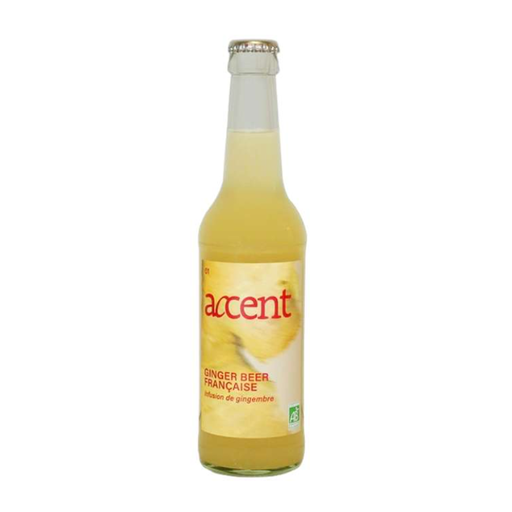
Why we recommend it: This ginger beer is designed for cocktail enthusiasts seeking balance. Its low sugar content allows the ginger's kick to shine through without overpowering the other flavours in the mix.
It tackles the excessive sugar trap head-on. The brand claims its drink is half as sweet as the market average, making it a much higher-quality and more versatile base for mixology.
Made from an infusion of organic French ginger (92.1%) and ginger juice. The quality and origin of the ingredients are clearly highlighted.
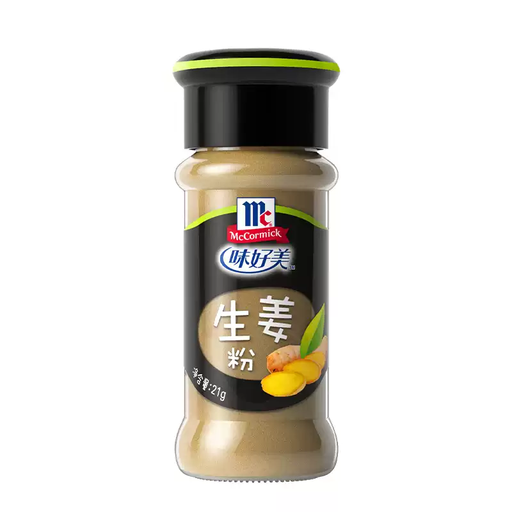
Why we recommend it:Ginger powder is a pantry staple. This format is perfect for adding a zesty kick to a multitude of dishes, from curries to biscuits, without the hassle of storing fresh ginger.
It avoids the artificial flavouring trap by containing only one ingredient: ginger powder. A pure product with no additives or fillers.
It has a nearly unlimited shelf life and a concentrated flavour, making it very economical to use. The small 21g size is ideal for home use.
Ginger is an excellent partner for many spirits, especially gin. Discover our complete selection of gins that pair perfectly with this characterful root.
Q1: How should I store different ginger-based products? It all depends on the format. Ginger powder should be kept in a cool, dry place away from light. Liquid products like ginger juice, ginger beer, or jarred gari should be refrigerated after opening and consumed quickly, according to the package directions.
Q2: What's the difference between pink and white gari (sushi ginger)? The difference is primarily aesthetic. Young ginger can naturally take on a pinkish hue during the pickling process. Some manufacturers, as with the CHIAKI Pink Gari, enhance this colour with a touch of food colouring. Others, like with the CHIAKI White Gari, leave it in its natural state. In terms of taste, the two are nearly identical.
Q3: Can you use ginger beer for cooking? Absolutely. Ginger beer is a surprising ally in the kitchen, perfect for meat marinades (pork, chicken) or for deglazing a pan to create a sweet and sour sauce. Just keep its sugar content and fizziness (which will disappear during cooking) in mind. It's an excellent way to add a spicy, caramelised note to a dish.