
Livraison le jour même ou le lendemain

Qualité garantie

Débloquez vos offres de bienvenue: Livraison GRATUITE | Jusqu'à -80 % | 30 jours d'essai gratuits à JoyPlus
Téléchargez l'application
Buying French wine online allows you to compare appellations, formats, and styles without being limited to a single store's offering. But an appealing product page is not always enough to make the right choice. Variable vintages, incomplete nutritional information, misunderstood appellations, or a bottle presented as "alcohol-free" when it still contains some: certain details can change the tasting experience and the price you actually pay.
This guide helps you buy French wine online using simple criteria, tailored to meals, aperitifs, celebrations, and gifts.
A château or cuvée name catches the eye, but it is not enough to determine the wine's style. The appellation provides more useful indications about the origin and production rules: Bordeaux Supérieur, Médoc, Saint-Chinian, Moulin-à-Vent, Côtes de Provence, and Barsac do not correspond to the same profile.
Before ordering, therefore, check:
Descriptions evoking red fruits, citrus, honey, or spices give a first impression, but they remain indicative. They guarantee neither that you will like the wine nor that it will pair with your dish.
A French red wine described as full-bodied and tannic will generally suit red meat or aged cheese better than a light aperitif. Conversely, a fresh, dry French white wine will pair more easily with seafood, fish, or a vegetable starter.
Most wines contain sulfites, which must be listed as allergens. Some may also have been made with fining agents derived from eggs, milk, or fish. If you are looking for an organic and vegan wine, check the corresponding mention on the label and the product page: a simple presentation as "natural" or "traditional" is not proof.
For alcohol-free wines, also check the stated alcohol content. The term "dealcoholized" does not necessarily mean 0.0%. The product page, label, and seller information must be consistent.
For a targeted purchase, start with the occasion:
A Provence rosé based on grenache, cinsault, and syrah will generally have a different profile from a sparkling rosé. Similarly, a Crémant de Bourgogne and a Crémant d'Alsace belong to two distinct regions, even though both are sparkling.
The alcohol percentage by volume allows you to compare bottles. The product pages in this selection show, for example, 11.5% vol. for the ARTHUR METZ Crémant Rosé, 13% vol. for the Domaine de la Rouvière, and up to 14.5% vol. for the GIRAUD Château Moulin de Bel Air.
A 75 cl format corresponds to approximately six 12.5 cl glasses, depending on the pour. For an event, calculate quantities in advance and also plan for water and non-alcoholic drinks.
Most bottles should be stored away from heat, humidity, and light. A stable temperature is preferable. For serving:
A well-preserved bottle will not, however, compensate for a purchase poorly suited to the planned meal or occasion.
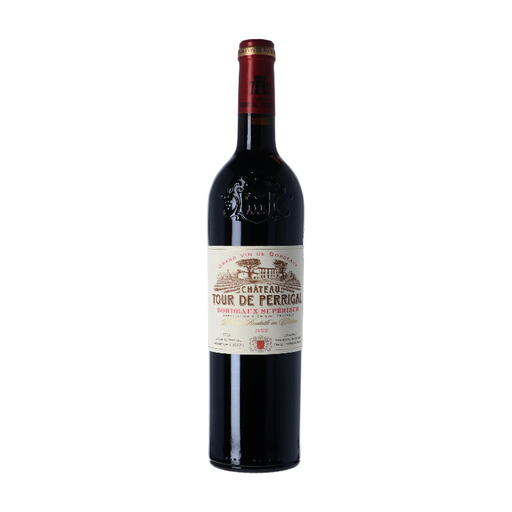
Why it fits this profile: Its profile of black fruits, plum, and spices makes it a simple choice for a first purchase, a family meal, or grilled meat.
The appellation, the 2022 vintage, the 75 cl volume, and the 13.5% vol. alcohol content are clearly indicated.
Blend of merlot, cabernet sauvignon, and cabernet franc; recommended serving temperature between 16 and 18°C.
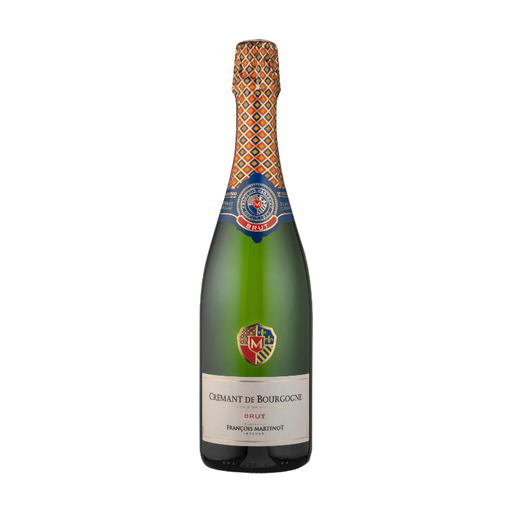
Why it fits this profile: Its fine bubbles, citrus notes, and hazelnut-tinged finish make it a good choice for an aperitif or a reception.
The product page specifies the Crémant de Bourgogne appellation, the presence of sulfites, and indicates vegetarian and vegan compatibility.
70 kcal per 100 ml according to the product page; Burgundian origin and brut profile clearly presented.
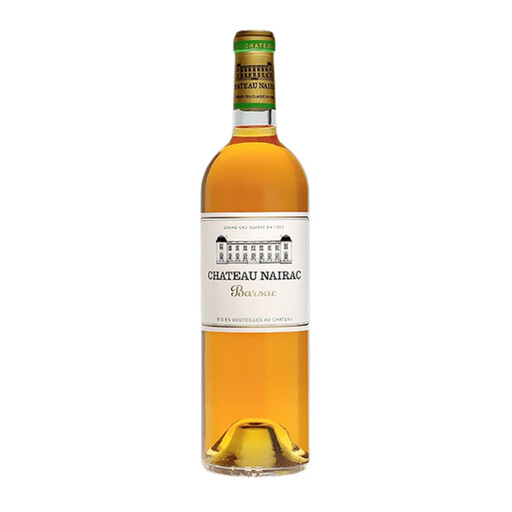
Why it fits this profile: Its small format and sweet profile, marked by candied fruits, honey, and acacia, suit a dessert or a well-targeted gift.
The 2018 vintage, the Barsac origin, and the serving temperature between 8 and 10°C are indicated, which limits pairing errors.
37.5 cl format; blend mentioning sémillon, muscadelle, and sauvignon blanc.
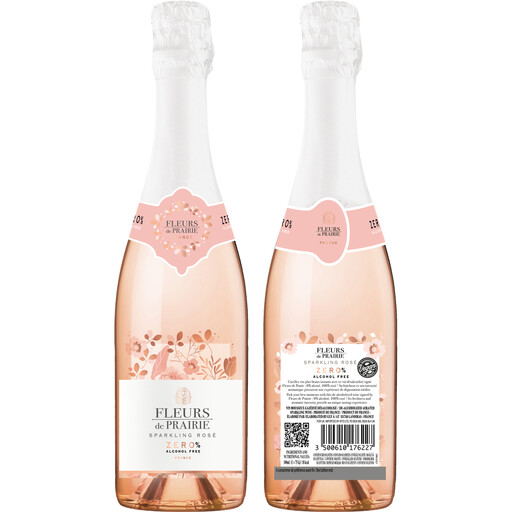
Why it fits this profile: This sparkling cuvée, stated at 0% vol., is suitable for meals and celebrations where you wish to avoid alcohol.
The product page explicitly states 0% vol. and specifies the presence of sulfites; always check the label upon receipt.
75 cl format; recommended serving temperature between 8 and 10°C; rosé profile with notes of lemon and red fruits.
Other references complete this selection, notably the Provence rosé Domaine de la Rouvière, the Petit Candumy Château de Terrebonne, the Saint-Chinian Château Boissezon-Guiaud, the Moulin-à-Vent Domaine du Chapitre, the Médoc GIRAUD Château Moulin de Bel Air, as well as several French sparkling and white wines.
We have compiled an updated selection of products that meet these selection criteria and the applicable safety information in France.
A Crémant de Bourgogne, a Crémant d'Alsace, a Provence rosé, or a fresh white like the ARTHUR METZ Riesling can be suitable. Check the sugar level, alcohol content, and serving temperature before ordering.
It depends entirely on the appellation, vintage, and style. Store bottles away from light and heat. Sparkling wines and rosés are often meant to be drunk relatively quickly, while some structured reds, like a Castillon Côtes de Bordeaux, may have aging potential indicated by the producer.
No. The terms "dealcoholized" and "alcohol-free" must be verified on the product page and label. In this selection, the FLEURS DE PRAIRIE Dealcoholized Sparkling Rosé Wine is stated at 0% vol., while another dealcoholized reference shows contradictory information. When in doubt, check the alcohol content stated on the bottle before consuming it.