
Livraison le jour même ou le lendemain

Qualité garantie

Débloquez vos offres de bienvenue: Livraison GRATUITE | Jusqu'à -80 % | 30 jours d'essai gratuits à JoyPlus
Téléchargez l'application
Shopping for your drinks online promises a huge time-saver and a nearly endless selection. But between unreadable labels and marketing jargon, the experience can quickly turn into a headache. Who hasn't received a bottle that, in the end, matched neither their taste, their expectations, nor their budget??
As a product expert at Joybuy, I'm here to decode the virtual aisles for you. Here are the pitfalls to avoid and my tips to ensure your next home delivery of drinks is a complete success.
The 2 pitfalls to avoid when buying drinks online:
To avoid making mistakes, keep these few benchmarks in mind. They will help you decipher labels and choose products that are genuinely suitable for you.
The product name is the first clue. As a reminder, regulations are very clear:
The golden rule: ingredients are listed in order of quantity. If "sugar" or "glucose-fructose syrup" appears in the second or third position, be wary: the drink is a sugar bomb.
To choose a healthier option, "no added sugar" versions or those using alternatives (agave syrup, stevia...) are avenues to explore. The ultimate check: look at the nutritional information table to find out the amount of sugar per 100 ml.
Budget-friendly and more eco-conscious, concentrates for dilution and drink syrups are a smart choice. The key point to check is the dilution ratio. A syrup that is diluted at 1+10 (1 part syrup to 10 parts water) will be much more cost-effective than one at 1+5. This is the best way to know the true cost per litre of your homemade drink.
Every household has different needs. Here are a few recommended options, chosen for their transparency and relevance.
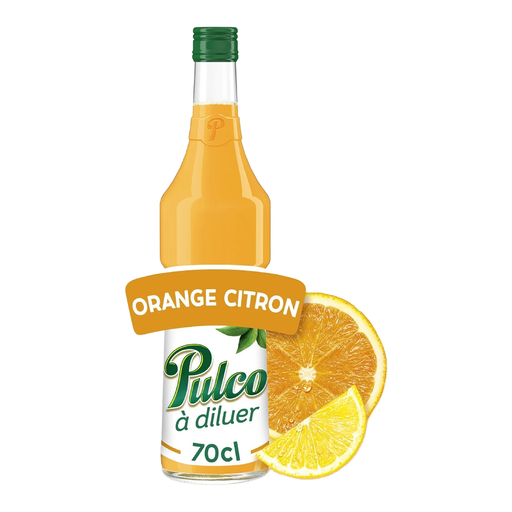
Why this choice: Ideal for families looking for a refreshing and customisable drink. This concentrate allows everyone to adjust the intensity of the flavour and decide whether to add sugar or not. A super simple base for homemade flavoured water.
Its composition is crystal clear: a concentrate for dilution with no sweeteners, colourings, or preservatives. It thus avoids the trap of hidden sugars and additives.
A healthy and versatile base (46% concentrated fruit juice) that gives you complete control over the final result.
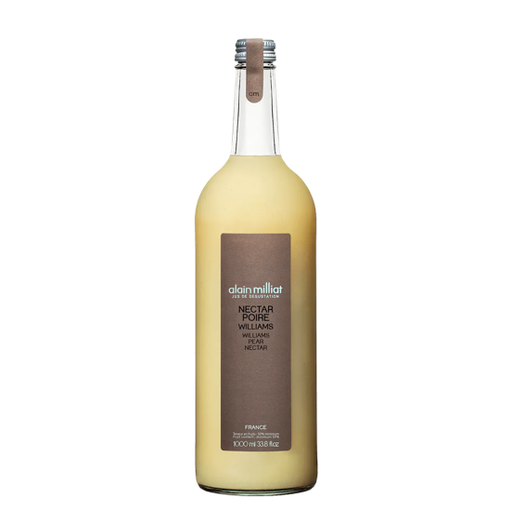
Why this choice: For those who don't compromise on quality and authentic taste, whether for a brunch, an aperitif, or simply to treat themselves. Alain Milliat is the benchmark for high-end nectars that celebrate the fruit.
Even though it's a fruit nectar, it shatters preconceptions with its record-high pear purée content (50%) and a minimalist ingredients list. The brand fully embraces its premium positioning.
A velvety texture and an intense taste of freshly picked pear, light-years away from mass-produced nectars.
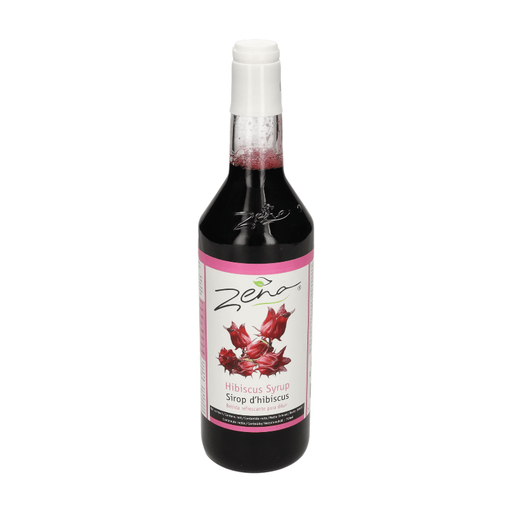
Why this choice: Perfect for adventurous souls who want to try making homemade bissap or simply test an original alternative to classic syrups.
This product is completely transparent: it's a drink syrup, and it owns it. No disappointment possible, it delivers a unique, floral, and tangy flavour for those seeking exactly that taste.
A single bottle allows you to prepare litres of bissap, the traditional Senegalese drink. An excellent discovery-to-price ratio.
We have brought together a complete selection of syrups and concentrates that meet our criteria for quality and transparency.
A fruit juice must legally contain 100% fruit, with no added sugar. A nectar, on the other hand, is a mixture of fruit purée or juice (between 25% and 50% minimum), water, and often sugar. This formula is essential for certain very pulpy or acidic fruits (mango, banana, apricot), which would be undrinkable as pure juice.
Once opened, most juices, nectars, and syrups should be kept in the refrigerator. For juices and nectars, it's best to consume them within 3 to 5 days. Concentrates for dilution and syrups, which are higher in sugar (a natural preservative), can last for up to a month. The best advice is always to follow the instructions on the packaging.
Absolutely! That's one of the biggest advantages of buying online: access to a much wider selection than in a supermarket. You can easily find hidden gems like soursop juice, Korean peach lemonade, or hibiscus syrup. The sections dedicated to sugar-free or low-sugar drinks are also expanding daily to meet demand.