
Livraison le jour même ou le lendemain

Qualité garantie

Débloquez vos offres de bienvenue: Livraison GRATUITE | Jusqu'à -80 % | 30 jours d'essai gratuits à JoyPlus
Téléchargez l'application
Coconut water has established itself as the go-to beverage for natural hydration. But with increasingly crowded shelves, it's hard to distinguish pure coconut water from a disguised sugary drink. Many brands rely on alluring wellness marketing but hide disappointing ingredient lists. Before you buy coconut water, knowing how to decipher labels is essential to avoid pitfalls and make an informed choice.
This guide is here to help you see things more clearly, focusing on the objective criteria that define a quality product truly suited to your needs.
The market is flooded with products that don't live up to their promises. Here are the two most common mistakes to avoid:
To make the right choice, there are three key points to check on the label.
First instinct: check the ingredients list. A quality product will state "100% coconut water" or, at the very least, list coconut water as the very first ingredient with a high percentage (over 95%). Be wary of "coconut drinks" where water is the first ingredient: this is a sign of a highly diluted product.
Some coconut waters contain pieces of pulp. This is neither good nor bad: it's simply a matter of taste. The pulp adds texture and a bit of chewiness. However, check if its presence also means a higher sugar content on the nutritional label.
Natural coconut water is recognisable by its minimalist ingredients list. Besides coconut water itself, the presence of ascorbic acid (vitamin C) is common and acts as an antioxidant to preserve colour and freshness. Be more cautious of artificial flavours, preservatives (other than ascorbic acid), or thickeners, which often indicate an ultra-processed product.
To illustrate these criteria, here is our selection of products, each suited to a different consumer profile.
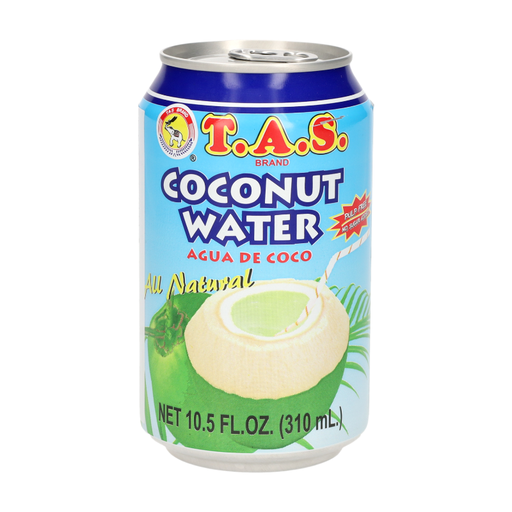
Why it's a match: Ideal for those who want pure hydration without any frills. Perfect for after a workout or as a healthy alternative to sodas, this drink gets straight to the point: hydration, and nothing else.
This product contains 100% coconut water. Zero added sugar, zero pulp, zero flavourings. A transparent choice that sidesteps the trap of misleadingly "healthy" drinks.
Ultra-minimalist ingredients. Very low in natural sugars (1.6g / 100ml). Can format is perfect for on-the-go.
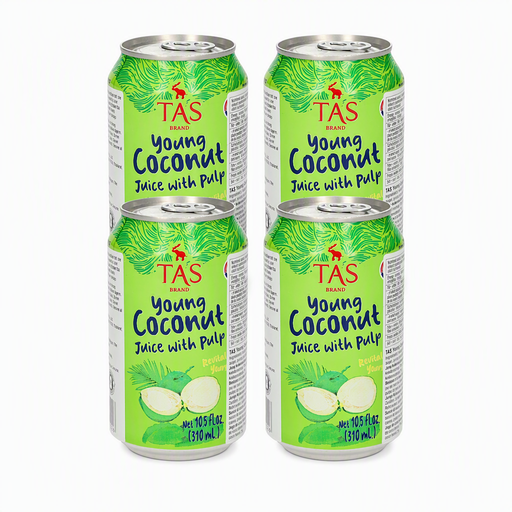
Why it's a match: For those who see coconut water primarily as an indulgent drink. The pulp offers a richer, more satisfying experience, somewhere between a beverage and a refreshing snack.
The name "coconut juice with pulp" makes its intentions clear: this isn't pure coconut water. The label is transparent about the presence of sugar and pulp, with no attempt to mislead.
Contains real pieces of young coconut (2.5%). An authentic texture and taste for a truly enjoyable moment.
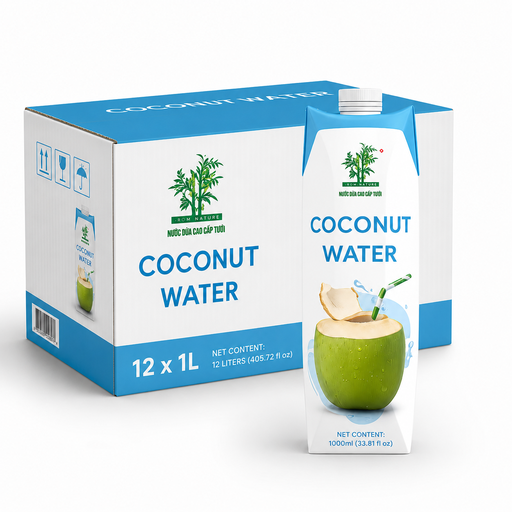
Why it's a match: Ideal for families or heavy users who incorporate it into their daily routine (in smoothies, as an everyday drink). The 1L bulk format is both economical and convenient for stocking up.
With 98.5% coconut water, it avoids the pitfall of overly diluted formulas. The hint of cane sugar is clearly stated, striking a good balance between naturalness and a taste that appeals to everyone.
Excellent value for money with the 12x1L case. The composition is overwhelmingly natural, perfect for frequent use.
Discover our complete, up-to-date selection of products that meet our selection criteria and regulations.
In short:
Once opened, a carton or bottle of coconut water must be kept in the refrigerator. Most manufacturers recommend consuming it within 2 to 3 days to preserve its freshness and taste. Always refer to the instructions on the packaging.
Yes, it's a great option for hydrating after moderate exercise. It naturally contains electrolytes like potassium, which help restore the body's fluid balance. For athletes looking for a simple and natural recovery solution, no-sugar-added coconut water is an excellent alternative to traditional sports drinks, which are often very sugary.